
Can you wash your car after window tint? Yes, you can wash your car after window tint, but there are important guidelines to follow, especially in the initial period after installation, to ensure the tint adheres properly and maintains its clarity and longevity.
Tinting your car windows is a fantastic way to enhance your vehicle’s appearance, improve comfort by reducing heat and glare, and protect your interior from harmful UV rays. However, after investing in this upgrade, you’ll naturally wonder about the best way to keep your car looking its best, particularly when it comes to washing. This guide will delve into everything you need to know about washing your car after window tint, ensuring you maintain its pristine condition.
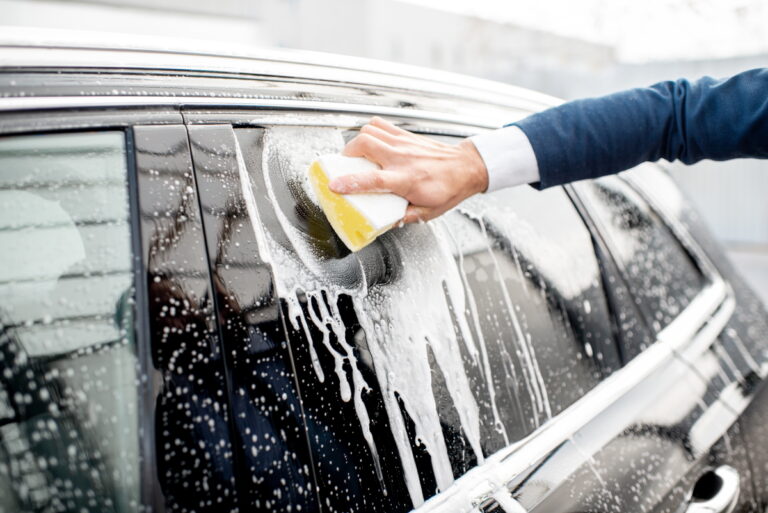
Image Source: qualityautoglasstint.com
The Crucial Waiting Period: Washing a Newly Tinted Car
After your professional window tint installation, there’s a vital waiting period before you can give your car a thorough wash. This is arguably the most critical phase in post-tint car care. The adhesive used to bond the tint to your windows needs time to cure fully. During this time, the tint is still vulnerable.
Why the Wait?
- Adhesive Curing: Window tint relies on a special adhesive that bonds the film to the glass. This process isn’t instantaneous. It involves water and solvents that need to evaporate completely. If you wash your car too soon, the water pressure or cleaning solutions can interfere with this curing process.
- Preventing Peeling or Bubbling: Premature washing can dislodge the edges of the tint, leading to peeling or unsightly bubbles forming under the film. This compromises the tint’s appearance and effectiveness.
- Maintaining Clarity: Improper washing can also introduce fine scratches or streaks into the tint film, affecting the clarity of your view.
How Long Should You Wait?
While professional installers are the best source for specific recommendations based on the products they use, a general rule of thumb is to wait at least 48 to 72 hours after tint installation before washing your car. Some installers might recommend a longer period, up to a week or even two, depending on humidity, temperature, and the specific type of tint and adhesive.
Always ask your tint installer for their recommended waiting period. They will provide the most accurate guidance for your specific tint job.
The Art of Washing Tinted Windows: Best Practices
Once the waiting period has passed, you can proceed with washing your car. However, not all car washing methods are created equal when it comes to window tint washing guidelines. The key is to be gentle and use the right products.
What to Use for Washing Tinted Windows:
When it comes to cleaning car after tint installation, the materials you choose are paramount.
- Soap: Use a mild, pH-neutral car wash soap. Avoid harsh detergents, ammonia-based cleaners, or abrasive soaps that can degrade the tint adhesive or scratch the film.
- Water: Use clean water. Distilled water is ideal if you have hard water, as mineral deposits can leave streaks.
- Buckets: Use two buckets – one for soapy water and one for rinsing your wash mitt. This prevents dirt from being transferred back onto the car, reducing the risk of scratches.
- Wash Mitt: A soft microfiber wash mitt is your best friend. Avoid coarse sponges or brushes that can snag or scratch the tint.
- Squeegee: A good quality squeegee with a soft rubber blade is essential for streak-free drying. Ensure the blade is clean and free of nicks.
- Microfiber Towels: Use clean, high-quality microfiber drying towels. They are highly absorbent and lint-free, making them perfect for drying tinted windows without scratching.
- Glass Cleaner: For spot cleaning or after washing, opt for an ammonia-free glass cleaner. Ammonia is a powerful solvent that can damage window tint.
Step-by-Step Guide: How to Wash Your Car with Tinted Windows
Following these steps will help ensure your car wash after tinting is effective and safe for your windows.
- Rinse the Vehicle: Start by thoroughly rinsing your car with water to remove loose dirt and debris. This prevents them from being ground into the tint during washing.
- Wash the Body: Wash the car’s body panels using the two-bucket method and a microfiber wash mitt. Work from top to bottom, rinsing the mitt frequently in the clean water bucket.
- Wash the Windows: Gently wash the tinted windows with the same soapy water and a clean microfiber wash mitt. Use light pressure.
- Rinse the Windows: Thoroughly rinse the windows with clean water.
- Squeegee for Drying: This is a crucial step for washing tinted windows without streaks.
- Start at the top of the window and pull the squeegee down in a single, smooth motion.
- Wipe the squeegee blade clean with a microfiber towel after each pass.
- Overlap your strokes slightly to ensure complete coverage.
- For stubborn water spots, a dry microfiber towel can be used gently.
- Dry with Microfiber Towels: Use clean, dry microfiber towels to dry any remaining water droplets on the windows and around the window trim. Pat the area dry rather than rubbing aggressively.
Avoiding Pitfalls: What NOT to Do When Washing Tinted Windows
Just as important as knowing what to do is knowing what to avoid. Certain car wash practices can be detrimental to your window tint.
Dangers to Avoid:
- Ammonia-Based Cleaners: As mentioned, these are a definite no-go. They will break down the adhesive and potentially discolor or peel the tint. Always check the ingredients of your glass cleaner.
- Abrasive Materials: Never use abrasive cloths, paper towels, scouring pads, or stiff brushes on tinted windows. These will cause micro-scratches that can become visible over time.
- High-Pressure Washing (Close Range): While a general rinse is fine, directing a high-pressure washer too close to the edges of the tint can force water underneath the film or dislodge it, especially if it’s not fully cured. Maintain a safe distance.
- Rough Drying: Avoid rubbing the windows vigorously with towels. This can create fine scratches and stress the tint.
- Automatic Car Washes with Brushes: Many automatic car washes use brushes that can be too harsh for tinted windows. The chemicals used can also be problematic. If you must use an automatic wash, opt for touchless ones, but even then, be cautious about the chemicals.
Maintaining Window Tint: Long-Term Care
Maintaining window tint goes beyond just washing. Proper care ensures your tint remains effective and looks good for years to come.
Regular Cleaning:
For day-to-day dirt and smudges, a quick wipe with a clean, damp microfiber cloth is often sufficient. If more cleaning power is needed, use a spray bottle with a mixture of water and a few drops of mild dish soap or a dedicated ammonia-free glass cleaner.
Dealing with Stubborn Spots:
If you encounter bird droppings, sap, or other stubborn spots, address them promptly. Soak the area with your mild cleaning solution and let it sit for a minute or two to soften the residue before gently wiping it away with a microfiber cloth.
Protecting the Tint:
- Avoid Sharp Objects: Be careful not to scratch the tint with keys, seatbelt buckles, or other sharp objects when reaching into your car.
- Window Defrosters: While most modern tints are compatible with rear defrosters, it’s best to avoid using the defroster on extremely high settings or for prolonged periods immediately after installation. Once cured, it’s generally safe, but always refer to your installer’s advice.
- New Film Adhesion: It’s worth reiterating that during the first few weeks, some minor haze or a slightly “orange peel” effect might be visible. This is normal as trapped moisture evaporates. Resist the urge to scrub or use harsh chemicals.
When to Seek Professional Help for Your Tint
In some cases, you might encounter issues with your window tint that require professional attention.
- Bubbles or Peeling: If you notice bubbles forming or edges peeling, especially after the initial curing period, contact your installer.
- Scratches: Deep scratches can be difficult to remove and may necessitate re-tinting.
- Discoloration: If the tint starts to change color (e.g., turning purplish), it might be a sign of low-quality film or degradation, and re-tinting could be the solution.
Comparing Washing Methods: A Visual Guide
To help you choose the safest way to wash your car after tinting, consider this comparison:
| Washing Method | Suitability for Tinted Windows | Key Considerations |
|---|---|---|
| Hand Washing (Two Bucket) | Excellent | Use mild soap, microfiber mitts, and towels. Gentle approach. |
| Touchless Automatic Wash | Good | Generally safe, but be mindful of strong chemicals used. Avoid if possible immediately after tinting. |
| Automatic Wash (with Brushes) | Poor | High risk of scratching and damaging tint due to abrasive brushes and chemicals. |
| Pressure Washer (Distant) | Good | Use a wide fan spray and keep a safe distance from window edges to avoid dislodging the tint. |
| Pressure Washer (Close Range) | Poor | Can force water under tint edges, causing peeling or bubbling. |
| Ammonia-Based Cleaners | Never Use | Will damage tint adhesive and film. |
| Abrasive Materials | Never Use | Will scratch and damage the tint film. |
Frequently Asked Questions (FAQ)
How long after tinting can I wash my car?
You should wait at least 48-72 hours, but it’s best to follow your installer’s specific recommendations, which could be up to two weeks.
What is the best soap to use on tinted windows?
Use a mild, pH-neutral car wash soap. Avoid harsh detergents or anything with ammonia.
Can I use Windex on my tinted windows?
No, never use Windex or any glass cleaner containing ammonia on tinted windows, as it will damage the tint. Look for ammonia-free alternatives.
What happens if I wash my car too soon after tinting?
Washing too soon can interfere with the adhesive curing process, potentially leading to bubbles, peeling edges, or reduced tint lifespan.
Is it okay to use a squeegee on tinted windows?
Yes, a high-quality squeegee with a soft rubber blade is an excellent tool for drying tinted windows streak-free. Just ensure the blade is clean and you use smooth strokes.
What about interior window cleaning?
For interior cleaning, always use ammonia-free products and microfiber cloths. Be gentle, as the inside of the tint film is just as susceptible to damage as the outside. Avoid spraying cleaner directly onto the tint; spray it onto your cloth first.
Can I use a microfiber towel to dry my tinted windows?
Absolutely. Clean, dry microfiber towels are the best way to dry your tinted windows without scratching or leaving lint.
Are there any special considerations for rear window tint?
Rear windows often have defroster lines. While most modern tints are designed to work with these, avoid using the defroster aggressively in the first few days. Once cured, it’s generally safe, but always check with your installer.
What if I see small dots or lines on my tinted windows after washing?
This could be mineral deposits from hard water or lint from a poor-quality towel. Ensure you’re using distilled water if your tap water is hard, and always use clean, high-quality microfiber.
How can I ensure my tint lasts longer?
Proper washing techniques, avoiding harsh chemicals, being careful with sharp objects, and following the initial curing guidelines are all key to maintaining window tint and ensuring its longevity.
By following these detailed guidelines, you can confidently wash your car after tint installation and keep your windows looking sharp and your tint performing optimally for years to come. Remember, gentle care and the right products are the keys to successful post-tint car care.