
How many kilometers is a lot for a car? Generally, a car with over 200,000 kilometers is considered high mileage, but “a lot” is subjective and depends on many factors. This guide will help you figure out what makes mileage a lot and how it affects a car.
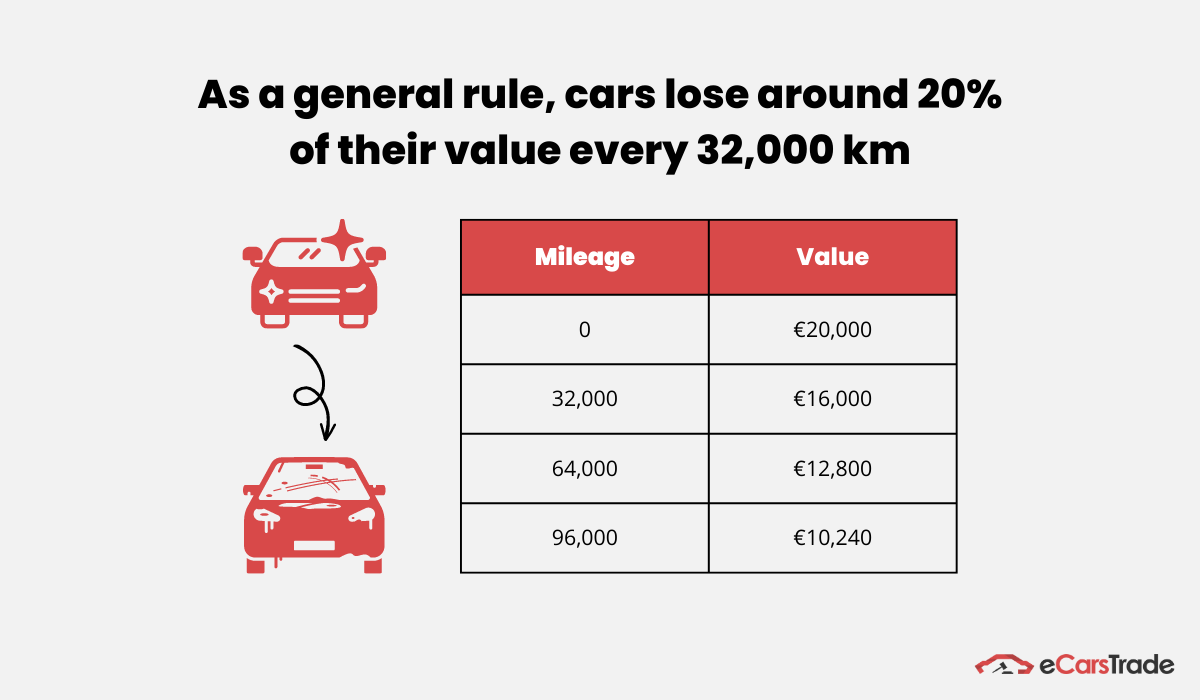
Image Source: userimg-assets-eu.customeriomail.com
Deciphering What “A Lot” of Kilometers Means
The number of kilometers on a car’s odometer reading is a key indicator of its use. But what constitutes “a lot” isn’t a single, fixed number. It’s a spectrum influenced by how the car was driven, maintained, and the type of vehicle it is. Cars today are built to last longer than ever before. What used to be considered high mileage a decade or two ago might be perfectly normal for a modern vehicle.
We often hear the term high mileage used for cars that have crossed certain thresholds. While some might flinch at a car with over 150,000 kilometers, others see it as just the beginning if the car has been well-cared for. The true meaning of “a lot” comes down to a blend of the odometer reading and the overall used car condition.
The Average Car Mileage: A Baseline
To gauge what’s a lot, we need a reference point. The average car mileage can give us that. In many developed countries, the average driver covers around 15,000 to 20,000 kilometers per year. So, a car that’s five years old and has 75,000 to 100,000 kilometers on it is pretty much in line with the average.
- Per Year Average: 15,000 – 20,000 km
- 5 Years Old: 75,000 – 100,000 km
- 10 Years Old: 150,000 – 200,000 km
If a car’s odometer reading is significantly higher than this average for its age, it starts to fall into the category of “high mileage.” However, this is just a starting point for our discussion.
Understanding Car Lifespan: How Long Can Cars Last?
The car lifespan is a much bigger question than just mileage. Modern cars can often last well over 300,000 kilometers, and some even reach 500,000 kilometers or more with proper care. What determines this extended life?
- Build Quality: The manufacturer’s engineering and the materials used play a huge role.
- Engine Type: Diesel engines, for example, are often known for their durability and can outlast many gasoline engines.
- Maintenance: Regular oil changes, fluid checks, and timely repairs are critical. A car that’s been meticulously maintained will likely last much longer than one that’s been neglected, regardless of the odometer reading.
- Driving Conditions: Highway driving is generally easier on a car than stop-and-go city traffic.
A car with 250,000 kilometers that has been driven mostly on highways and serviced regularly might be in better shape than a 100,000-kilometer car that has only seen city streets and has a spotty service history.
The Impact of Mileage on Car Value: Depreciation Explained
Depreciation is the loss of value of an asset over time. For cars, mileage is one of the biggest drivers of depreciation. As the odometer reading climbs, the car’s market value typically decreases. This is because higher mileage often suggests more wear and tear on the vehicle’s components.
Car value by mileage is a crucial factor when buying or selling. A car with 50,000 kilometers will be worth significantly more than the exact same model with 150,000 kilometers. This difference isn’t always linear; the drop in value can be steeper at certain mileage milestones, like 100,000 km or 200,000 km.
Here’s a simplified look at how mileage can affect value, assuming all other factors affecting car value are equal (model, condition, year, etc.):
| Mileage Range | Perceived Value Impact |
|---|---|
| 0 – 50,000 km | Low |
| 50,000 – 100,000 km | Moderate |
| 100,000 – 150,000 km | Significant |
| 150,000 – 200,000 km | High |
| 200,000+ km | Very High |
This table is a general guide. A car with very high mileage might still hold good value if it’s a rare model or has been impeccably maintained.
When to Sell a Car: Navigating Mileage Milestones
Deciding when to sell a car often hinges on its mileage. There are several points where mileage can signal a good time to consider selling:
- Approaching a Major Service Interval: Many cars have significant maintenance requirements around 100,000 km, 150,000 km, and 200,000 km. These can include timing belt replacements, transmission fluid changes, or even major engine work. If you don’t plan to keep the car long-term, selling it before these costly services become due can be wise.
- Exceeding the Average: Once a car’s mileage is significantly higher than the average for its age, buyers may become more hesitant, potentially driving down the price you can expect.
- Personal Usage Patterns: If your driving habits change and you start accumulating much more mileage per year, it might be time to consider a more fuel-efficient or reliable vehicle, or one designed for higher mileage use.
- Warranty Expiration: Some warranties expire based on mileage or time, whichever comes first. Selling before a warranty ends can protect you from unexpected repair costs.
Factors Affecting Car Value Beyond Mileage
While mileage is a primary concern, it’s not the only factor affecting a car’s car value by mileage. Several other elements contribute to how much a car is worth:
1. Age of the Vehicle
- Even with low mileage, an older car can depreciate due to outdated technology, wear on rubber components, and changing safety standards.
2. Maintenance Records
- A complete and well-organized service history is invaluable. It proves that the car has been cared for, mitigating concerns about high mileage.
3. Condition of the Vehicle
- Exterior: Dents, scratches, rust, and faded paint can significantly lower value.
- Interior: Worn seats, damaged dashboards, and unpleasant odors (like smoke) are major deterrents.
- Mechanical: A well-maintained engine, transmission, brakes, and suspension are paramount.
4. Brand and Model Popularity
- Some brands and models hold their value better than others due to reputation for reliability, desirability, or fuel efficiency.
5. Trim Level and Features
- Higher trim levels with desirable features like leather seats, sunroofs, advanced infotainment systems, and safety assists often command higher prices.
6. Accident History
- A car that has been in a major accident will almost always be worth less, regardless of its mileage.
7. Fuel Type and Efficiency
- In times of high fuel prices, fuel-efficient vehicles or those with alternative powertrains (hybrid, electric) tend to retain value better.
8. Geographic Location
- Demand for certain types of vehicles can vary by region. For example, 4WD vehicles might be more sought after in snowy climates.
High Mileage Cars: What to Expect and How to Assess Them
When you encounter a car with high mileage, say over 200,000 kilometers, it’s essential to approach the assessment with a critical eye. What can you expect, and how can you tell if it’s a good deal or a money pit?
Common Issues with High Mileage Cars:
- Wear and Tear on Major Components:
- Engine: Seals might leak, oil consumption could increase, and internal parts may show wear.
- Transmission: Shifting might become less smooth, and internal clutches or bands could be worn.
- Suspension: Shocks, struts, and bushings will likely have reduced effectiveness, leading to a less comfortable ride and potential handling issues.
- Brakes: Rotors and pads will need frequent replacement.
- Exhaust System: Rust and corrosion can lead to leaks or the need for replacement.
- Electrical System Issues: With age, electrical components, sensors, and wiring harnesses can degrade, leading to intermittent problems or failures.
- Interior Wear: Seats, carpets, and dashboard materials will likely show signs of use.
- Cooling System: Radiator, hoses, and water pump can age and fail.
How to Assess a High Mileage Car:
- Detailed Inspection: Look for leaks under the car, rust on the body and frame, and any signs of damage.
- Test Drive: Pay close attention to how the engine performs, how the transmission shifts, the responsiveness of the steering, and any unusual noises from the suspension or brakes.
- Check Maintenance Records: This is crucial for high mileage vehicles. A car that’s been regularly serviced is a much safer bet. Look for records of major services like timing belt changes, transmission services, and coolant flushes.
- Pre-Purchase Inspection (PPI): Always have a trusted independent mechanic inspect the car thoroughly before buying. They can identify potential issues you might miss.
- Check for Recalls: Ensure any outstanding recalls have been addressed.
Calculating Your Own “A Lot”
Your personal threshold for “a lot” of kilometers might differ from the general consensus. Consider these personal factors:
- Your Budget for Repairs: Are you prepared for potential higher repair costs associated with a high mileage car?
- Your Driving Needs: Do you need a car for short commutes or long-distance travel?
- Your Tolerance for Risk: How comfortable are you with the possibility of unexpected breakdowns?
- How Long You Plan to Keep It: If you only need the car for a year or two, a higher mileage car might be a cost-effective option. If you plan to keep it for many more years, starting with a lower mileage car might be wiser.
The Psychology of Mileage: Perception vs. Reality
There’s often a psychological element to how we perceive mileage. The number 100,000 km or 200,000 km can feel like a significant barrier, even if the car is mechanically sound. This perception can influence the car value by mileage more than the actual condition of the vehicle in some cases.
However, with advancements in automotive engineering, many cars are designed to handle significantly more mileage than in the past. A well-maintained 250,000 km car could potentially offer better value for money than a poorly maintained 100,000 km car, especially if the price reflects the mileage.
How Many Miles Per Year Is Too Much?
Similarly, the number of miles per year contributes to the “lot” factor. If a car is only three years old but already has 200,000 kilometers, that’s over 66,000 km per year. This is exceptionally high and would suggest significant wear and tear, even if the car was well-maintained.
Conversely, a 10-year-old car with 150,000 kilometers averages about 15,000 km per year, which is quite reasonable. The context of how many miles per year the car has been driven is crucial when evaluating its overall usage.
Frequently Asked Questions (FAQ)
Q1: What is considered a lot of kilometers for a car in general?
A: Generally, a car with over 200,000 kilometers is considered high mileage. However, this is a guideline, and the actual “lot” depends on the car’s age, maintenance, and overall condition.
Q2: Can I sell a car with over 300,000 kilometers?
A: Yes, you can sell a car with over 300,000 kilometers, but its market value will be significantly lower. Buyers for such vehicles are often looking for specific needs, like project cars or vehicles for parts, or they are very aware of the potential for higher maintenance costs.
Q3: Is a car with 150,000 km considered high mileage?
A: For a car that is only a few years old, 150,000 km would be considered very high mileage. However, for a car that is 10-15 years old, 150,000 km falls closer to the average and might not be considered excessively high, especially if well-maintained.
Q4: What are the main factors affecting a car’s value other than mileage?
A: Other key factors affecting a car’s value include its age, brand and model popularity, overall condition (mechanical, exterior, interior), maintenance history, accident history, trim level, features, fuel efficiency, and geographic location.
Q5: How does highway mileage differ from city mileage for a car’s wear and tear?
A: Highway mileage is generally less stressful on a car than city mileage. City driving involves frequent stop-and-go traffic, which puts more wear on the engine, transmission, brakes, and clutch (if manual). Highway driving is more consistent, leading to less overall wear for the same number of kilometers.
Q6: When is the best time to sell a car based on mileage?
A: It’s often a good time to sell a car before it reaches major, expensive maintenance milestones (e.g., around 100,000-150,000 km for timing belt replacements on some models), or when its mileage is significantly higher than the average for its age, which can impact its resale value.
Q7: What is the average car mileage per year in my country?
A: The average car mileage per year can vary by country. In many Western countries, it ranges from 15,000 to 20,000 kilometers. It’s advisable to check local statistics for a more precise figure.
Q8: What does a higher odometer reading imply about a car’s lifespan?
A: A higher odometer reading generally implies more wear and tear on the car’s components. While modern cars have a longer car lifespan, a higher reading suggests that certain parts may be closer to needing replacement, potentially shortening its remaining useful life if not meticulously maintained.
Q9: How much does mileage affect car value?
A: Mileage significantly affects a car’s value due to depreciation. Each kilometer adds wear, reducing the car’s desirability and market price. Cars with lower mileage typically command much higher prices than identical models with high mileage.
Q10: What should I look for in the used car condition of a high mileage vehicle?
A: When assessing the used car condition of a high mileage vehicle, pay close attention to the engine’s performance, transmission smoothness, suspension soundness, brake condition, signs of rust or corrosion, interior wear and tear, and the availability of comprehensive maintenance records. A pre-purchase inspection by a mechanic is highly recommended.