
Yes, you can absolutely go to jail for hitting a police car. The severity of the penalties depends on various factors, including intent, damage caused, injuries sustained, and whether the collision was accidental or intentional.
Hitting a police car is a serious offense with far-reaching legal repercussions. It’s not simply a matter of a minor fender-bender or a traffic ticket. Depending on the circumstances, you could face a range of charges, from minor traffic violations to significant felony charges. The law views damage to police property and actions that impede law enforcement as serious matters, and the penalties reflect this. This article will delve into the legal consequences and penalties associated with striking a police vehicle, exploring the various charges you might face and the potential jail time involved.
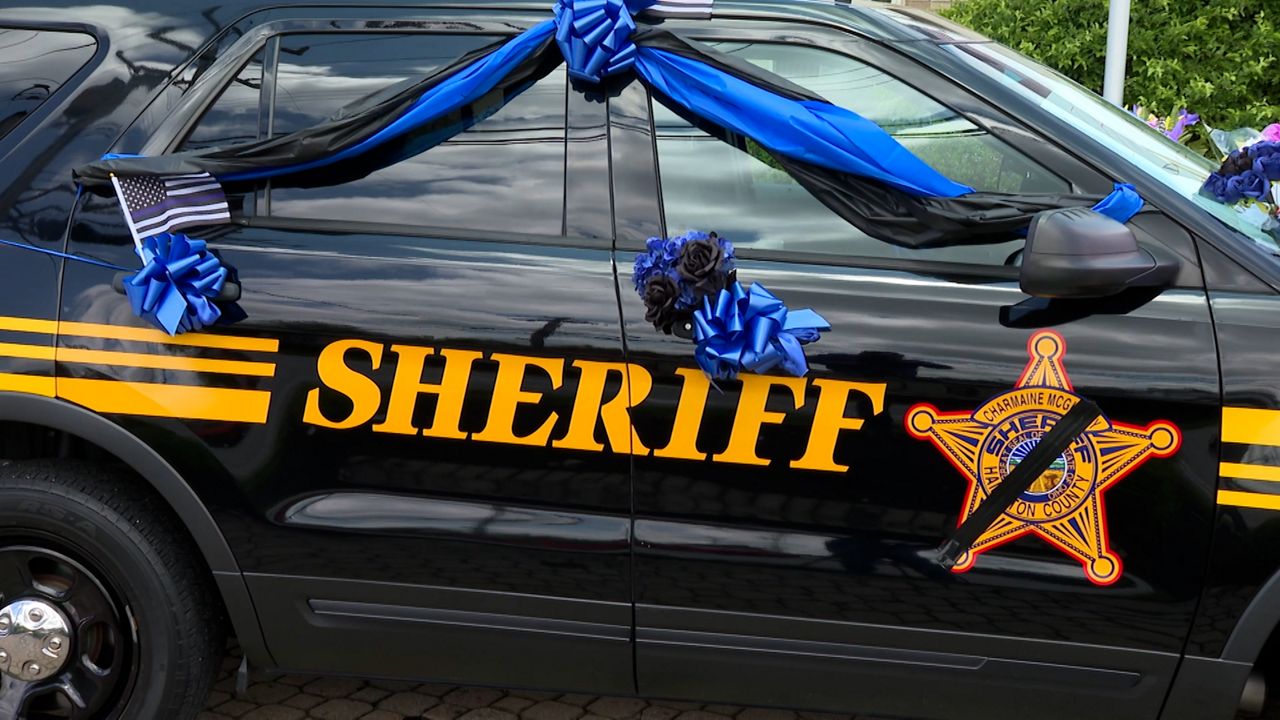
Image Source: s7d2.scene7.com
Criminal Damage to Property: The Core Offense
At its most basic level, hitting a police car involves damaging government property. This falls under the umbrella of criminal damage to property charges. The specific classification – whether it’s a misdemeanor or a felony – often hinges on the value of the damage caused.
Misdemeanor vs. Felony Charges
-
Misdemeanor charges are typically reserved for situations where the damage to the police car is relatively minor. This might include scratches, dents, or broken lights that don’t significantly impair the vehicle’s function. While less severe than a felony, a misdemeanor conviction can still result in fines, probation, and even jail time, usually up to one year in a local jail.
-
Felony charges are brought when the damage is substantial. This could involve significant structural damage, rendering the police car inoperable, or damage exceeding a certain monetary threshold (which varies by state). Felony convictions carry much harsher penalties, including extended prison sentences (often over a year), substantial fines, and a criminal record that can impact future employment and other opportunities.
Beyond Property Damage: Related Offenses
Hitting a police car often doesn’t happen in isolation. It can be linked to other illegal activities, which can lead to additional and more severe charges.
Assaulting a Police Officer
If the act of hitting the police car was done intentionally, or if you used the vehicle as a weapon against the officer inside, you could face assaulting a police officer charges. This is a very serious offense. The law provides enhanced protection to law enforcement officers due to the nature of their duties. Even if no physical injury occurs, the mere act of using a vehicle to threaten or endanger an officer can lead to severe penalties. Legal consequences for assaulting law enforcement are often elevated compared to assaulting a civilian.
Resisting Arrest and Evading Arrest
Often, collisions with police cars occur when an individual is attempting to flee from law enforcement. In such scenarios, the act of hitting the police car is a consequence of or part of a broader attempt at resisting arrest or evading arrest.
-
Resisting arrest can encompass a variety of actions that obstruct or hinder an officer from performing their duties. If your actions in hitting the police car were a direct effort to prevent apprehension, this charge would likely apply.
-
Evading arrest, also known as fleeing or eluding, is a specific crime involving the willful attempt to avoid being taken into custody by a law enforcement officer. If you were attempting to drive away from the police and struck their vehicle during that attempt, you would almost certainly be charged with evading arrest. This charge can be a misdemeanor or a felony, depending on the circumstances, such as the manner of driving and the risk posed to the public.
Traffic Violations
Even in cases where the collision appears accidental, if it occurred due to reckless driving, speeding, or other traffic violations, you will likely face those charges in addition to any property damage or other criminal charges. These can include:
- Reckless Driving
- Speeding
- Failure to Obey Traffic Signals
- Improper Lane Change
- Driving Under the Influence (DUI/DWI)
A DUI conviction in conjunction with hitting a police car significantly escalates the potential penalties.
Penalties for Hitting a Police Car: A Spectrum of Consequences
The penalties for hitting a police car can vary widely, reflecting the diverse nature of potential charges and the unique circumstances of each case. These penalties can include:
Jail and Prison Time
- Misdemeanor charges (e.g., minor criminal damage to property, some traffic violations): Can result in jail sentences ranging from a few days to up to one year in county jail.
- Felony charges (e.g., significant criminal damage to property, assault on a police officer, felony evading arrest): Can lead to prison sentences of one year or more, potentially several years, served in state prison.
- Aggravated circumstances: Factors like causing serious injury or death to an officer, or intentionally using the vehicle as a weapon, can lead to much longer prison terms, often measured in decades.
Fines and Restitution
- Fines: Courts will impose fines, which can range from a few hundred dollars for minor offenses to tens of thousands of dollars for more serious felony convictions.
- Restitution: You will almost certainly be required to pay restitution to cover the cost of repairing or replacing the damaged police vehicle. This can be a substantial amount, especially if the vehicle sustained extensive damage.
Other Penalties
- License Suspension or Revocation: Your driver’s license will likely be suspended or revoked, often for an extended period.
- Probation: Instead of or in addition to jail time, a court may sentence you to probation. This involves adhering to specific conditions set by the court, such as regular check-ins with a probation officer, community service, and mandatory counseling or treatment programs.
- Criminal Record: A conviction for hitting a police car will result in a criminal record, which can have long-term consequences for employment, housing, and other aspects of your life.
- Community Service: Courts may order you to perform a certain number of hours of community service.
Factors Influencing Penalties
Several factors play a crucial role in determining the specific penalties you might face:
Intent
Was the collision intentional, reckless, or purely accidental? Intent is a critical factor. Intentionally using your vehicle to strike a police car is a far more serious offense than an accidental collision.
Damage Caused
The extent of the damage to the police vehicle directly impacts the classification of the charges and the severity of the penalties.
Injuries
If anyone, including the officer or occupants of other vehicles, was injured as a result of the collision, the charges and penalties will be significantly more severe. Causing serious bodily harm or death can lead to very lengthy prison sentences.
Driver’s Criminal History
A prior criminal record, especially for offenses involving violence or property damage, can lead to harsher sentencing.
Circumstances of the Incident
- Was the officer attempting to arrest you?
- Were you fleeing from law enforcement?
- Were you driving under the influence of alcohol or drugs?
- What was the prevailing traffic and weather conditions?
Legal Defenses and Considerations
If you find yourself in this unfortunate situation, it’s crucial to consult with an experienced criminal defense attorney as soon as possible. An attorney can help you navigate the complex legal system and build a defense.
Potential Defenses
- Lack of Intent: Arguing that the collision was purely accidental and not the result of negligence or intent.
- Necessity: In rare cases, it might be argued that the action was taken out of necessity to prevent a greater harm.
- Mistake of Fact: For instance, if you genuinely did not see the police vehicle or its signals due to unforeseen circumstances.
- Challenging the Charges: An attorney can scrutinize the evidence and the officer’s actions to identify any procedural errors or grounds for challenging the charges.
The Importance of Legal Counsel
Navigating the legal process after hitting a police car can be overwhelming. An attorney can:
- Explain your rights.
- Investigate the incident.
- Negotiate with prosecutors.
- Represent you in court.
- Advise you on the best course of action.
Case Examples (Illustrative)
To provide a clearer picture, let’s consider a few hypothetical scenarios:
Scenario 1: Minor Collision During Traffic Stop
A driver is pulled over for a minor traffic violation. While reaching for their registration, they accidentally bump the police car with their bumper as they adjust their position. The damage is minimal (a scratch).
- Potential Charges: Minor traffic violations, possible property damage charges (misdemeanor if damage is below a certain threshold).
- Likely Penalties: Fine, warning, possible small restitution for the scratch, and no jail time.
Scenario 2: Reckless Driving Leading to Collision
A driver is speeding and makes an unsafe lane change, colliding with a police car that is legally positioned on the road. The police car sustains moderate damage, and the officer experiences whiplash.
- Potential Charges: Reckless Driving, traffic violations, criminal damage to property (potentially a misdemeanor or low-level felony depending on damage value), potentially assaulting a police officer if the whiplash is considered an injury caused by the act.
- Likely Penalties: Significant fines, license suspension, mandatory traffic school or defensive driving course, possible jail time (e.g., 30-90 days), and substantial restitution for vehicle repair and the officer’s medical expenses.
Scenario 3: Evading Arrest and Ramming
A driver flees from a police pursuit. During the chase, the driver intentionally rams the police car, causing disabling damage and injuring the officer inside.
- Potential Charges: Evading arrest (felony), assaulting a police officer (felony), criminal damage to property (felony), and possibly vehicular assault.
- Likely Penalties: Lengthy prison sentence (several years to decades), significant fines, restitution, and permanent loss of driving privileges. This scenario involves multiple serious felony charges.
Frequently Asked Questions (FAQ)
Q1: Is hitting a police car always a felony?
No, hitting a police car is not always a felony. It depends on the extent of the damage, the intent behind the action, and whether other crimes were committed in conjunction with the collision. Minor, accidental damage might result in misdemeanor charges, while significant damage or intentional acts can lead to felony charges.
Q2: What happens if the police car was parked and I hit it?
If you hit a parked police car, you will likely face property damage charges, specifically criminal damage to property. If you were impaired (DUI/DWI), that would be an additional and serious charge. If you flee the scene after hitting a parked police car, you could also face hit-and-run charges, which are often treated very seriously, especially when involving government property or law enforcement vehicles.
Q3: Can I be charged with assault if I didn’t mean to hurt the officer?
Yes, you can be charged with assaulting a police officer even if you didn’t intend to cause injury. Many jurisdictions have laws that define assault on an officer based on actions that create a substantial risk of bodily harm, or that obstruct or impede the officer’s duties. Using a vehicle in a manner that endangers an officer can qualify.
Q4: How much does it cost to fix a police car?
The cost to repair a police car can vary significantly, from a few hundred dollars for minor cosmetic damage to tens of thousands of dollars if the vehicle’s systems, engine, or body are severely damaged. Police vehicles are often equipped with specialized equipment (lights, radios, computers) that can be expensive to repair or replace. You will likely be responsible for these costs through restitution.
Q5: What if the officer’s lights weren’t on when I hit them?
While an officer’s failure to have their lights activated might be a factor in how the incident is viewed, it does not typically absolve you of responsibility if you collide with their vehicle, especially if you were committing a traffic violation or driving recklessly. However, it could be a point of discussion during legal proceedings or in a plea negotiation.
Q6: Can I lose my job for hitting a police car?
Depending on your employment, a conviction for hitting a police car, especially a felony conviction, could certainly lead to job loss. Many employers conduct background checks, and a criminal record can make it difficult to secure or maintain employment, particularly in positions requiring trust, security clearance, or handling sensitive information.
In conclusion, striking a police vehicle is a grave matter with significant legal ramifications. The penalties can range from fines and probation to lengthy prison sentences, depending on the specific circumstances and charges filed. It is imperative to seek qualified legal counsel if you are involved in such an incident.