
Imagine your favorite song playing, but it sounds weak and distant. That’s where the magic of power amplifiers comes in! These amazing devices take a small audio signal and make it big and strong, so you can hear every beat and every note clearly.
But when you’re looking for the perfect power amplifier, it can feel like a maze. There are so many different types, and it’s tough to know which one is right for your speakers or your music setup. You might worry about getting one that’s too weak, too powerful, or just doesn’t sound good.
Don’t worry! By the end of this post, you’ll understand what makes a power amplifier tick. We’ll break down the important stuff so you can pick the best one with confidence. Get ready to boost your sound!
Our Top 5 Power Amplifiers Recommendations at a Glance
Top 5 Power Amplifiers Detailed Reviews
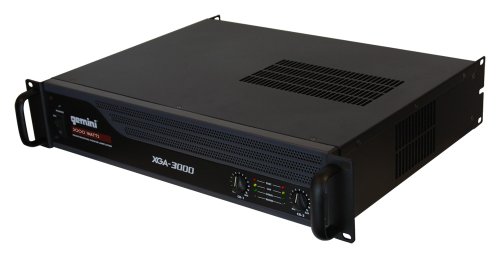
1. Gemini Professional 3000W 2-Channel Power Amplifier – PA & DJ Power Amp with XLR/RCA Inputs
Rating: 8.6/10
The Gemini Professional 3000W 2-Channel Power Amplifier (XGA-3000) is a powerful amp designed for DJs, PA systems, and live events. It delivers strong sound and offers flexible connections for easy setup. This amp is built tough for reliable performance, making it a solid choice for anyone needing a dependable audio solution.
What We Like:
- It has 3000 watts of peak power, giving you loud and clear sound for live shows.
- You can connect it to many different devices with XLR, 1/4″ TRS, and RCA inputs.
- It has Speakon and binding post outputs, which are common for speakers.
- Built-in protection stops distortion and keeps your speakers safe.
- The cooling fan keeps the amp from getting too hot, even during long events.
- It’s made to be put in a rack, so it fits nicely into your sound system.
- The amp is built with durable materials to last a long time.
What Could Be Improved:
- While it has plenty of power, some very demanding setups might need even more.
- The user manual could be a bit clearer for beginners.
This Gemini amp is a great value for its power and features. It’s a reliable workhorse that will handle your audio needs for many gigs to come.
2. Crown

Rating: 8.9/10
The Crown XLS1002 is a powerful and versatile amplifier that brings professional sound to your setup. It packs a punch with 350 watts per channel at 4 ohms, making your music sound clear and strong. This amp is built tough, ready for gigs or your home studio. It also has smart features like DSP to fine-tune your audio.
What We Like:
- It delivers impressive power, 350W x 2 at 4 ohms, for loud and clear sound.
- The built-in DSP makes it easy to adjust your audio with crossovers.
- It offers lots of input options, including XLR, TRS, and RCA, so it connects to almost anything.
- The amp is compact and lightweight, which is great for moving it around.
- Its Peakx Limiters protect your speakers from damage.
What Could Be Improved:
- While powerful, the 2-ohm rating might be limiting for some very specific speaker setups.
- The fan can sometimes be a little noisy in very quiet environments.
This Crown amplifier is a fantastic choice for anyone needing reliable power and smart audio control. It offers great value and performance for its price.
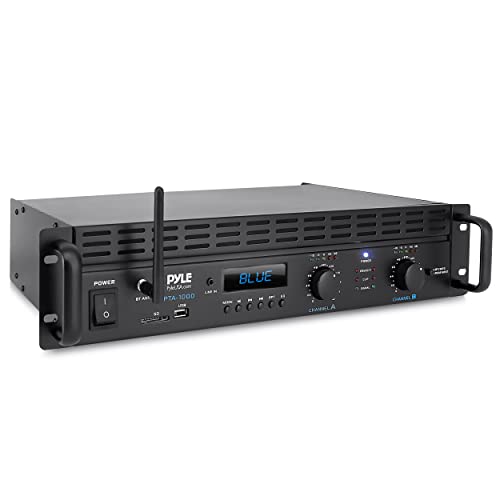
3. Pyle 2-Channel Bluetooth Power Amplifier- 2000W Bridgeable Rack Mount Pro Audio Sound Wireless Home Stereo Receiver w/TRS XLR Input
Rating: 9.4/10
Get ready to boost your audio game with the Pyle PTA1000BT 2-Channel Bluetooth Power Amplifier. This powerhouse delivers a massive 2000 watts of sound, perfect for home stereo systems or even pro audio setups. It’s designed to connect easily to your devices and fill your space with clear, loud music.
What We Like:
- Massive 2000-watt power output for incredible sound.
- Bluetooth connectivity makes streaming music super simple from phones and tablets.
- Multiple input options (TRS, XLR) give you lots of ways to connect your gear.
- Front panel controls and an LCD screen make it easy to see what’s happening and adjust settings.
- Built-in cooling fan keeps the amplifier running smoothly without overheating.
- Bridge mode lets you combine channels for even more power.
What Could Be Improved:
- The user manual could be a bit clearer for beginners.
- While versatile, it might be more than some home users need.
The Pyle PTA1000BT is a strong choice for anyone wanting to upgrade their sound system. It offers great power and features for a good experience.
4. Behringer Europower Ep4000 Professional 4

Rating: 8.7/10
The Behringer Europower EP4000 is a powerhouse amplifier designed to deliver serious sound. It boasts an impressive 4,000 watts of power, making it a great choice for live music, DJ setups, or any situation where you need loud, clear audio. Its Accelerated Transient Response (ATR) technology helps it handle quick changes in sound, so your music always sounds punchy and alive. This amp is built to handle demanding audio needs.
What We Like:
- Massive power output: It delivers a huge 2,000 watts per channel into 2 ohms, or 1,400 watts per channel into 4 ohms. You can even get 4,000 watts in bridge mode!
- Versatile connections: It has both XLR and 1/4″ TRS inputs, so it works with almost any sound source.
- Easy monitoring: Simple LEDs show you the power, signal, and if the amp is clipping, helping you keep your sound clean.
- Speaker friendly: Professional speaker connectors and secure binding posts make hooking up your speakers a breeze.
- Clean low-end: Selectable low-frequency filters (30 Hz or 50 Hz) help remove unwanted rumble, making your bass sound tighter.
What Could Be Improved:
- Weight: While powerful, it’s not the lightest amplifier on the market, so consider its size and weight for transport.
- Fan noise: Some users report that the cooling fan can be a bit noisy in quiet environments.
The Behringer Europower EP4000 is a fantastic option for anyone needing robust, reliable power for their audio setup. It offers great value for its performance and features.
5. Rockville RPA12 5000W Peak/1400W RMS 2 Channel Rack Mount Power Amplifier

Rating: 9.2/10
The Rockville RPA12 is a powerful rack-mount amplifier built for demanding live sound situations. It delivers a huge 5000 watts of peak power and 1400 watts RMS, making it ideal for filling large venues with sound. This amp is designed for professional DJs and bands who need reliable and loud audio for their shows.
What We Like:
- It has a lot of power (5000W peak/1400W RMS) to make your speakers loud.
- You can combine the two channels to make even more power for bigger setups.
- The sound is very clear, with almost no distortion, so your music will sound great.
- It has a built-in limiter to protect your speakers from damage.
- The crossover switch helps you use it with different types of speakers, like PA speakers or subwoofers.
- It’s built tough with a steel case and has fans to keep it cool, so it will last a long time.
- It has lights to show you what it’s doing.
What Could Be Improved:
- The user manual could be a little easier to understand for beginners.
- While powerful, some users might prefer even more features for very complex sound systems.
This amplifier is a solid choice for anyone needing serious power and clear sound for live events. It offers great performance and protection for your audio gear.
Choosing Your Perfect Power Amplifier
A power amplifier is like the muscle of your sound system. It takes the small signal from your music player or computer and makes it big and strong enough to drive your speakers. This guide will help you pick the right one for your needs.
Key Features to Look For
Power Output (Wattage)
This is how much “oomph” the amplifier has. More watts usually mean louder sound. Think about how big your room is and how loud you like your music. A small room might not need a super powerful amp.
Channels
Amps have channels. A stereo amp has two channels (left and right) for two speakers. A surround sound amp has more channels for different speakers in a home theater setup.
Inputs and Outputs
Check the connections. You’ll need inputs to connect your music source. Outputs connect to your speakers. Some amps have digital inputs (like USB or optical) which are great for clear sound.
Frequency Response
This tells you how well the amp can play different sound frequencies, from deep bass to high treble. A wider range means more detailed sound.
Signal-to-Noise Ratio (SNR)
A higher SNR means less unwanted noise from the amplifier. This gives you cleaner sound.
Important Materials
The materials used in an amplifier affect its sound and durability. Good quality components are important.
- Chassis: A strong metal case helps reduce vibrations and interference.
- Capacitors: These store electrical energy. High-quality capacitors improve sound clarity and bass response.
- Transistors/Vacuum Tubes: These are the heart of the amplifier, amplifying the signal. Different types create different sound qualities.
Factors That Improve or Reduce Quality
Many things can make an amplifier sound better or worse.
What Makes an Amp Great:
- Clean Power Delivery: The amp should deliver power smoothly without distortion.
- Low Distortion: This means the amp doesn’t add unwanted changes to the music.
- Good Cooling: Powerful amps get hot. Good cooling systems keep them running well.
- Quality Build: Solid construction and good internal parts lead to better sound and a longer life.
What Can Make an Amp Sound Bad:
- Underpowered: An amp that’s too weak for your speakers will sound strained and distorted.
- Poorly Matched Components: When the internal parts aren’t high quality, the sound suffers.
- Overheating: If an amp can’t cool itself properly, it can shut down or sound bad.
- Electrical Interference: Cheaply made amps can pick up unwanted noise from other devices.
User Experience and Use Cases
How you use your amplifier matters. Think about what you want to do with it.
- Home Stereo System: For listening to music with two speakers. You’ll want a good stereo amplifier.
- Home Theater System: For movies and TV. You’ll need a surround sound receiver which includes a power amplifier.
- Computer Audio: To boost the sound from your PC or Mac for better desktop speakers.
- Live Music/DJing: For louder events, you’ll need a powerful amplifier designed for professional use.
A good power amplifier makes your music and movies sound amazing. By understanding these features, you can find the perfect match for your speakers and your listening habits.
Frequently Asked Questions (FAQ)
Q: What is the most important feature of a power amplifier?
A: Power output (wattage) is very important. It needs to be strong enough for your speakers.
Q: Do I need a lot of watts for my home stereo?
A: It depends on your room size and speaker sensitivity. For most medium-sized rooms, 50-100 watts per channel is usually enough.
Q: What’s the difference between a stereo amplifier and a surround sound receiver?
A: A stereo amplifier powers two speakers. A surround sound receiver powers multiple speakers for a cinematic experience and also often includes other features like tuners and video switching.
Q: Can I use a more powerful amplifier than my speakers recommend?
A: Generally, yes. It’s safer to have an amp that’s more powerful than your speakers can handle, as long as you don’t push the volume too high and cause distortion. An underpowered amp is more likely to damage speakers.
Q: What does “Class D” amplifier mean?
A: Class D amplifiers are very efficient. They use less power and produce less heat, making them smaller and good for portable devices or compact systems.
Q: Should I worry about the amplifier’s weight?
A: Heavier amplifiers often use larger power supplies and more robust internal components, which can indicate better quality and sound.
Q: How do I connect my phone to a power amplifier?
A: You’ll likely need an adapter or a cable that connects your phone’s headphone jack or USB port to the amplifier’s input.
Q: Can a power amplifier improve the sound of my existing speakers?
A: Yes, a good power amplifier can make a significant difference. It can provide more clarity, better bass, and a wider soundstage.
Q: What is “distortion” in audio?
A: Distortion is when the amplifier adds unwanted sounds or changes to the original music signal, making it sound less clear or harsh.
Q: How often should I clean my power amplifier?
A: You should dust your amplifier regularly and ensure its vents are clear of obstructions. Internal cleaning is usually only needed if there’s a problem.
In conclusion, every product has unique features and benefits. We hope this review helps you decide if it meets your needs. An informed choice ensures the best experience.
If you have any questions or feedback, please share them in the comments. Your input helps everyone. Thank you for reading.