
So, you’re wondering, “How long does it take to get a car painted?” Generally, a professional car paint job can take anywhere from 3 days to 2 weeks, depending on several factors. This might seem like a broad range, but many elements contribute to the overall car painting duration. Let’s dive into what influences the auto body paint time and what you can expect for your car repaint schedule.
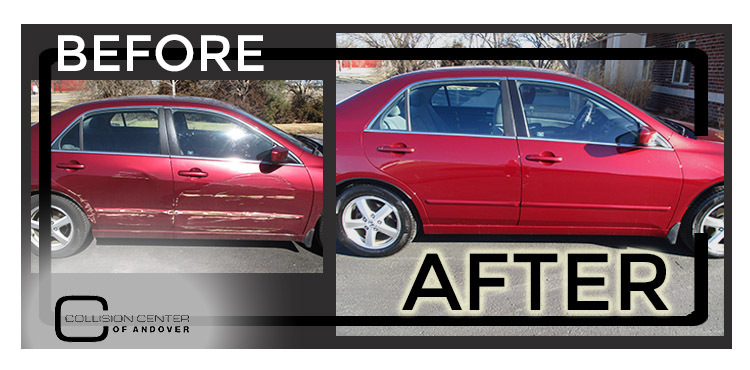
Image Source: collisioncenterofandover.com
Deciphering the Car Paint Job Timeline
Getting your car painted is more than just spraying on a new coat of color. It’s a meticulous process that involves preparation, application, and drying. The total time for a car respray is influenced by the extent of the work needed, the complexity of the color, the type of paint used, and the shop’s workload. Understanding the vehicle painting process time will help you set realistic expectations for the automotive paint completion time.
Key Stages of a Car Paint Job
To get a better grasp of how long it takes, let’s break down the typical stages involved:
- Initial Consultation and Quote: This is where you discuss your needs with the auto body shop. They’ll inspect the vehicle, discuss color options, and provide an estimate. This step usually takes a few hours to a day, depending on scheduling.
- Disassembly: Before painting, certain parts need to be removed to ensure a clean, professional finish. This includes door handles, mirrors, trim pieces, and sometimes even bumpers. This can take anywhere from 1 to 4 hours.
- Surface Preparation: This is arguably the most critical and time-consuming phase. It involves:
- Washing and Degreasing: Removing dirt, grime, and oil.
- Sanding: Whether it’s for removing old paint, smoothing out imperfections, or preparing the surface for primer, sanding is crucial. This can take several hours, depending on the car’s condition.
- Masking: Protecting areas that won’t be painted (windows, tires, chrome, etc.) with specialized tape and paper. This is a detailed process that can last 2-5 hours.
- Bodywork (if needed): Repairing dents, scratches, rust, or other damage. This is a significant factor in extending the paint job’s duration. Minor repairs might add a few hours, while extensive damage could add days.
- Priming: Applying a primer coat to promote adhesion and create a uniform surface for the paint. Several coats might be needed, with drying time in between.
- Painting: This stage involves applying multiple coats:
- Base Coat: This is the actual color of your car.
- Clear Coat: This protective layer adds gloss and durability.
- Drying/Curing: Each coat needs time to dry sufficiently before the next is applied. The environment of the paint booth, particularly temperature and humidity, plays a role here.
- Baking (if applicable): Some shops use specialized ovens or infrared lamps to speed up the drying and curing process of the paint. This can significantly reduce the time spent in this phase.
- Reassembly: Once the paint is dry and cured, the parts that were removed are reinstalled. This requires precision to ensure everything fits correctly. This usually takes 2-4 hours.
- Buffing and Polishing: After reassembly, the car is often buffed and polished to achieve a showroom shine and remove any imperfections or dust nibs that may have settled during the painting process. This can add another 2-4 hours.
- Quality Check: The shop will do a final inspection to ensure the paint job meets their standards and your satisfaction.
Factors Affecting Car Painting Duration
When considering the average car painting time, remember that several variables come into play.
1. Extent of the Paint Job
- Full Repaint: This is the most comprehensive and takes the longest. Every exterior panel of the car is sanded, prepped, and repainted. This often involves complete disassembly of removable parts.
- Partial Repaint: If only specific panels are damaged or faded, a partial repaint might be all that’s needed. This is quicker as fewer areas require extensive preparation and painting. For example, repainting just a fender will be much faster than a full exterior repaint.
- Touch-Up: Minor chips and scratches might only require touch-up paint, which is the fastest option but doesn’t constitute a full car repaint schedule.
2. Condition of the Vehicle
- Newer Vehicles with Minimal Damage: Cars in good condition with only cosmetic issues requiring a simple repaint will naturally have a shorter paint job turnaround time.
- Older Vehicles with Rust or Extensive Damage: Cars with significant rust, dents, or previous poor paint jobs will require more extensive prep work. Rust removal, dent repair, and stripping old paint all add considerable time to the vehicle painting process time.
3. Type of Paint and Finish
- Single-Stage Paint: This type of paint combines color and gloss in one coat. It’s generally less expensive and quicker to apply than base coat/clear coat systems.
- Base Coat/Clear Coat: This is the most common type of automotive paint today. It involves applying a colored base coat followed by a protective clear coat. This system offers better durability and a deeper shine but requires more time for application and drying between coats.
- Specialty Finishes: Candy paints, metallic paints, flip-flops, or matte finishes can be more complex to apply and may require specialized techniques or more coats, thus extending the car painting duration.
4. Shop Workload and Reputation
- Busy Shops: Popular and reputable auto body shops often have a longer waiting list and may take more time to complete a job because they are in high demand.
- Smaller Shops: While they might be able to accommodate you sooner, their capacity and resources might influence the overall speed of the job.
- Efficiency of the Shop: Some shops have more advanced equipment, like paint booths with better drying capabilities, which can speed up the process.
5. Environmental Factors
- Temperature and Humidity: Optimal conditions are crucial for proper paint adhesion and drying. Extreme temperatures or high humidity can slow down the drying process, especially if the shop doesn’t have climate-controlled spray booths.
- Dust and Contamination: A clean environment is essential. Any dust or contaminants in the air can settle on the wet paint, requiring extra time for sanding and polishing.
Estimating the Time for a Full Car Respray
Let’s consider a typical scenario for a full car respray, assuming the vehicle is in reasonably good condition with minor cosmetic imperfections and no major rust or collision damage.
Average Car Painting Time Breakdown (Estimated):
| Stage | Estimated Time | Notes |
|---|---|---|
| Consultation & Prep | 0.5 – 1 day | Initial inspection, quote, scheduling. |
| Disassembly | 0.5 – 1 day | Removing trim, handles, lights, etc. |
| Surface Preparation | 2 – 5 days | Washing, sanding, masking, minor dent repair, priming. |
| Paint Application | 1 – 2 days | Multiple coats of base and clear coat, with drying between each. |
| Drying & Curing | 1 – 3 days | Ambient drying or baking in a booth. |
| Reassembly | 0.5 – 1 day | Putting all the removed parts back on. |
| Buffing & Polishing | 0.5 – 1 day | Finishing touches for shine and smoothness. |
| Total Estimated Time | 6 – 13 days | This is a general estimate and can vary significantly. |
This table provides a general guideline for the car painting duration. It highlights that even for a standard job, you’re looking at at least a week, and potentially up to two weeks.
What Does the Car Painting Duration Mean for You?
When a shop gives you an estimated car repaint schedule, it’s important to remember that this is an estimate. Many unforeseen issues can arise during the process that might extend the automotive paint completion time.
- Hidden Damage: During sanding, shops might uncover rust or damage that wasn’t visible initially. Repairing this will add to the time.
- Paint Adhesion Issues: Occasionally, a coat of paint might not adhere correctly, requiring it to be stripped and reapplied.
- Supplier Delays: If a specific paint color or material is backordered, it can cause delays.
It’s always a good idea to add a buffer to the estimated timeframe. A good auto body shop will keep you informed of any potential delays.
Is It Worth the Wait? The Value of a Professional Paint Job
While the thought of a two-week wait might seem daunting, the results of a professional paint job are usually well worth the time. A skilled painter can:
- Achieve a Flawless Finish: Professional shops use high-quality paints, specialized equipment, and have trained technicians who can apply paint evenly, ensuring a smooth, high-gloss finish.
- Ensure Durability: Proper surface preparation and the use of quality primers and clear coats mean the paint will last longer and resist chipping, fading, and environmental damage.
- Handle Complex Colors and Finishes: If you’re opting for a unique or custom color, a professional is best equipped to handle the application process.
- Increase Resale Value: A good paint job can significantly enhance the aesthetic appeal and perceived value of your vehicle, making it more attractive to potential buyers.
DIY vs. Professional Paint Jobs: Time and Quality
While some enthusiasts might consider a DIY paint job to save money, it’s important to consider the time investment and the likely outcome.
- Time Commitment for DIY: A DIY paint job can take significantly longer. You’ll be learning as you go, and the preparation stages, which are crucial for a good finish, can be very time-consuming. It could easily take several weekends or even weeks to complete, especially if you have limited experience.
- Quality Differences: Achieving a professional-quality finish at home is challenging. Factors like dust-free environments, specialized spray guns, and controlled drying conditions are difficult to replicate. This often results in imperfections like orange peel, runs, or uneven color.
Therefore, for a high-quality, durable, and aesthetically pleasing finish, the average car painting time for a professional is a good investment.
Frequently Asked Questions (FAQ)
Q1: How long does it take to repaint a car?
A: The time to repaint a car can range from 3 days to 2 weeks, depending on the complexity, condition of the vehicle, and the shop’s workload.
Q2: What is the fastest way to get a car painted?
A: The fastest way would be a single-stage paint application on a vehicle with minimal pre-existing damage and no need for extensive disassembly. However, speed often compromises quality.
Q3: Can I get my car painted in a weekend?
A: It is highly unlikely to get a quality full car paint job done in a single weekend. While some minor touch-ups might be possible, a proper repaint involves many stages that require drying and curing time.
Q4: Does bodywork add significant time to a paint job?
A: Yes, any bodywork required, such as dent repair, rust removal, or panel straightening, will significantly increase the car painting duration.
Q5: What affects the paint job turnaround time the most?
A: The extent of surface preparation and any necessary bodywork are typically the biggest factors that affect the paint job turnaround time.
Q6: How long does the clear coat need to cure?
A: Clear coats can feel dry to the touch within hours, but full curing can take anywhere from 24 hours to several weeks, depending on the type of clear coat and environmental conditions. This is why a freshly painted car should be treated with care.
Q7: Can I wash my car immediately after it’s painted?
A: No, you should wait at least a week, and ideally two weeks, before washing or waxing your freshly painted car. This allows the paint to fully harden and cure.
Q8: What is the difference between a repaint and a touch-up?
A: A repaint involves a comprehensive application of new paint to the entire vehicle or specific panels. A touch-up involves repairing small chips or scratches with matching paint, often with a brush or small applicator.
Q9: How long does it take for primer to dry?
A: Primer drying times vary by product but typically range from 30 minutes to a few hours before it can be sanded or recoated.
Q10: What does “baking” the paint mean?
A: Baking the paint refers to placing the vehicle in a heated paint booth or using infrared lamps to accelerate the drying and curing process of the paint layers, which can reduce the overall vehicle painting process time.
Final Thoughts on Car Painting Duration
Deciding to get your car painted is a significant investment, both in terms of cost and time. By understanding the various stages and the factors that influence the car painting duration, you can have a more informed discussion with your chosen auto body shop. Patience is key – a well-executed paint job takes time, skill, and meticulous attention to detail. Don’t rush the process; a professional car repaint schedule that prioritizes quality will ensure your vehicle looks its best for years to come. Always ask for a detailed breakdown of the timeline and communicate openly with your painter about your expectations and any concerns you may have regarding the paint job turnaround time.