
Ever tried to record your voice, only to find it sounds weak and distant? Or maybe you’ve watched your favorite streamer and wondered how they get such a clear, powerful sound from their microphone. That amazing audio quality often comes down to one crucial piece of gear: a mic amplifier.
Choosing the right mic amplifier can feel like a maze. You want your voice to be heard loud and clear, whether you’re singing, podcasting, gaming, or just chatting with friends online. But with so many different types and features out there, it’s easy to get confused and pick something that doesn’t quite fit your needs. This can lead to frustratingly quiet recordings or a hissy, unnatural sound.
But don’t worry! By the end of this post, you’ll understand what a mic amplifier does and why it’s so important. We’ll break down the basics, explain key terms in simple language, and help you figure out which type of amplifier will make your voice shine. Get ready to boost your audio game!
Our Top 5 Mic Amplifier Recommendations at a Glance
Top 5 Mic Amplifier Detailed Reviews
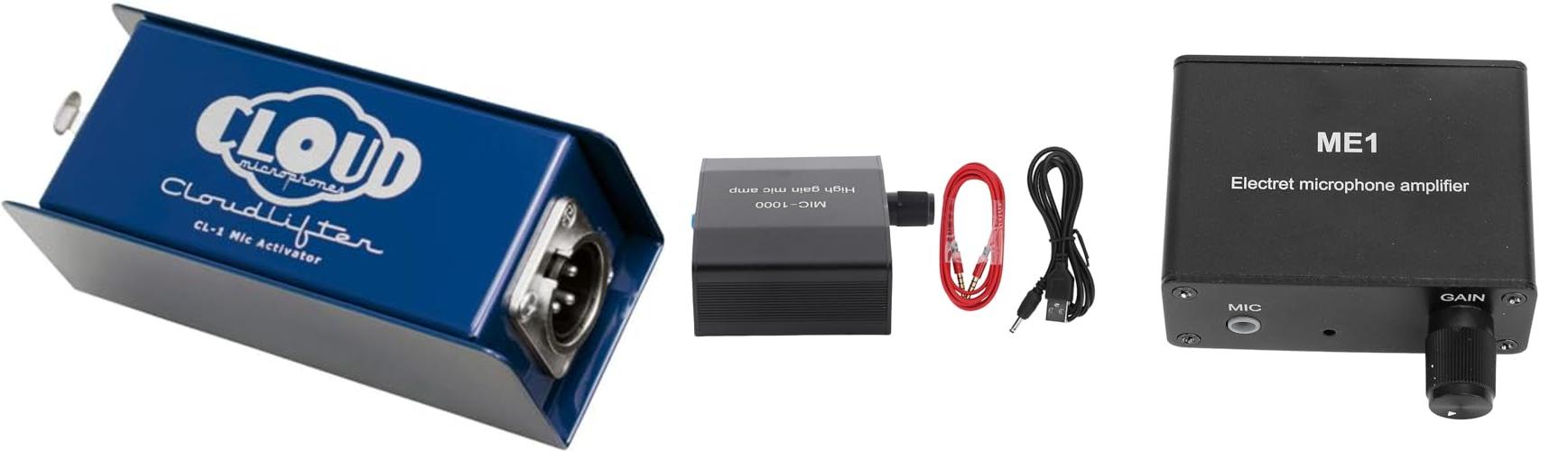
1. Cloud Microphones – Cloudlifter CL-1 Mic Activator – Ultra-Clean Microphone Preamp Gain – USA Made

Rating: 9.4/10
The Cloud Microphones Cloudlifter CL-1 is a simple yet powerful tool that makes your microphone sound its best. It’s made in the USA and designed to give your quiet microphones a much-needed boost in signal strength without adding any unwanted noise. This means clearer vocals, richer instrument sounds, and a more professional overall recording experience.
What We Like:
- It makes quiet microphones sound much louder and clearer.
- It adds about 25dB of gain, which is a big help.
- It’s safe for all kinds of microphones, even delicate ribbon mics.
- It’s very easy to use; you just plug it in between your mic and your audio interface.
- It helps reduce feedback and unwanted noise.
- It works great for podcasts, streaming, and studio recording.
- It’s made right here in the USA.
What Could Be Improved:
- It requires phantom power from your audio interface to work.
- It’s an extra piece of gear to carry if you’re on the go.
If you want to get the most out of your passive microphones, especially for spoken word or acoustic instruments, the Cloudlifter CL-1 is an excellent investment. It’s a straightforward solution that delivers noticeable improvements to your audio quality.
2. Microphone Amplifier Mic Preamp Home Audio Power Amplifier System Kit

Rating: 8.7/10
This Microphone Amplifier Mic Preamp Home Audio Power Amplifier System Kit is a small but mighty device for boosting your audio. It’s designed to help you capture even the faintest sounds and makes your audio clearer. Its compact size makes it easy to take with you anywhere.
What We Like:
- It has high sensitivity, meaning it can pick up quiet sounds.
- The ALC automatic level control helps keep your audio at a good volume.
- It offers 1000 times amplification, which is a lot of power for its size.
- The aluminum alloy shell looks good and is strong.
- It’s very small, making it easy to carry around.
- It has strong anti-interference, so your sound stays clean.
- You can plug headphones directly into it to listen.
- It can connect to your phone for recording.
- The 3.5mm interface is easy to use.
What Could Be Improved:
- More detailed instructions would be helpful for beginners.
- A longer cable might be useful for some setups.
This kit is a practical tool for anyone wanting better audio quality on the go. It’s a good option for simple recording and listening needs.
3. Adjustable Gain Electret Microphone Amp

Rating: 8.9/10
The Adjustable Gain Electret Microphone Amp ME1 is a handy little device for anyone who needs to boost their microphone’s sound. It’s small and easy to take with you anywhere. This amplifier makes your microphone sound louder and clearer. It works with many different microphones because it has a built-in bias. You can adjust how loud the sound gets, from a little bit to a lot. It even has a battery that lasts a long time.
What We Like:
- It’s small and easy to carry around.
- It makes your microphone sound much better.
- It works with lots of different microphones.
- You can choose how much to boost the sound, from 0 to 20 decibels.
- The battery lasts over 10 hours and charges with a phone charger.
- It’s simple to plug in and start using right away.
What Could Be Improved:
- The gain adjustment knob could be a little more precise.
- A carrying pouch would be a nice addition.
This microphone amplifier is a fantastic tool for improving your audio quality. It offers great flexibility and portability for creators on the go.
4. ZOWEETEK ZW-Z258 Portable Rechargeable Mini Voice Amplifier for Teachers with Wired Microphone Headset and Waistband

Rating: 8.9/10
The ZOWEETEK ZW-Z258 is a compact and powerful voice amplifier designed to make your voice heard clearly without strain. It’s a fantastic tool for anyone who needs to project their voice, from teachers in a busy classroom to tour guides leading a group. This amplifier ensures your voice sounds natural, not robotic, and it’s built to last with a durable ABS material.
What We Like:
- It delivers clear, crisp sound without any annoying noise or distortion, making your voice sound natural.
- The 10-watt output is loud enough to cover a large area, about 10,000 square feet, so everyone can hear you.
- It’s super portable! The compact size and light weight mean you can easily clip it to your belt or wear it around your waist or neck.
- The built-in rechargeable battery lasts up to 12 hours, and it only takes a few hours to fully charge.
- You can play music or audio files from a TF card or USB drive, and it even works as a wired speaker with its AUX input.
- The adjustable wired headset microphone lets you position it perfectly for clear voice capture.
What Could Be Improved:
- While the sound quality is great, the 10-watt power might not be enough for extremely large outdoor gatherings without additional sound reinforcement.
- The USB charging cable is included, but a wall adapter is not, meaning you’ll need to provide your own or use a computer.
This ZOWEETEK ZW-Z258 voice amplifier is an excellent companion for anyone who needs to speak clearly and comfortably. It’s a reliable and versatile device that truly amplifies your voice and protects your vocal cords.
5. Triton Audio FetHead in-Line Microphone Preamp

Rating: 8.8/10
The Triton Audio FetHead in-Line Microphone Preamp is a small but mighty device that gives your microphone a much-needed boost. It’s designed to sit between your microphone and your audio interface, making your recordings sound clearer and more powerful.
What We Like:
- It uses a special low-noise amplifier, so you won’t hear annoying background buzz in your recordings.
- The design is super tough and protected by a metal case, keeping it safe from damage.
- It’s built with four matched JFETs, which means it’s really good at handling quiet sounds and making them louder without adding extra noise.
- The amplifier design is double single-ended, which helps it capture even the smallest details in your voice or instrument.
- It’s very easy to plug in and use, instantly improving your sound quality.
What Could Be Improved:
- While it’s great for many microphones, some very sensitive microphones might not need as much of a boost.
- It doesn’t have any extra features like adjustable gain, so it’s a straightforward tool.
The Triton Audio FetHead is a fantastic addition for anyone looking to get better sound from their microphones. It’s a simple way to upgrade your audio setup.
Mic Amplifier: Get the Best Sound!
Do you want your microphone to sound amazing? A mic amplifier can help! It makes your microphone’s signal stronger. This guide will help you pick the right one.
What is a Mic Amplifier?
A mic amplifier is a small device. It takes the quiet signal from your microphone. Then, it makes that signal much louder. This is important for many things, like recording music, podcasts, or even just talking on a video call.
Key Features to Look For
1. Gain Control
Gain is how much the amplifier boosts the sound. Look for an amplifier with adjustable gain. This lets you control how loud the sound gets. You can turn it up for a stronger signal or down to avoid too much noise.
2. Phantom Power
Some microphones, especially condenser mics, need extra power. This is called phantom power. If you have one of these mics, make sure your amplifier has phantom power. It’s usually a button you can turn on or off.
3. Input and Output Types
Check how the amplifier connects to your microphone and other devices. Common inputs are XLR, which is a strong connector for microphones. Outputs might be 1/4-inch jacks or USB. Make sure these match your equipment.
4. Low Noise Floor
A good amplifier adds very little extra noise to your sound. This is called a low noise floor. Less noise means clearer audio. You want your voice or instrument to be the focus, not buzzing or humming.
5. Portability and Size
Do you need to take your amplifier with you? Some are small and fit in your pocket. Others are bigger and stay in one place. Think about where and how you will use it.
Important Materials
The materials used in a mic amplifier affect its durability and sound.
- Metal Casing: Metal cases are strong. They protect the inside parts. They can also help block unwanted electrical interference.
- High-Quality Components: Inside the amplifier, good electronic parts make a big difference. These parts help create a cleaner and more accurate sound.
Factors That Improve or Reduce Quality
What Makes it Better?
- Clear Signal: The best amplifiers make your microphone’s sound loud and clear. They don’t add extra fuzz or pops.
- Easy to Use: Simple controls make it easy to get the sound you want. You shouldn’t need to be an expert to use it.
- Good Connections: Sturdy ports and connectors ensure your wires stay plugged in. This prevents sound problems.
What Makes it Worse?
- Too Much Noise: If an amplifier adds a lot of background noise, it’s not good. This can make your recordings sound unprofessional.
- Poor Build Quality: Cheap plastic or loose parts can break easily. This means your amplifier might not last long.
- Difficult Controls: Confusing buttons or knobs can make it hard to set the right sound.
User Experience and Use Cases
Who Uses Mic Amplifiers?
Many people use mic amplifiers. Musicians use them to make their instruments and voices sound great. Podcasters use them to ensure their voices are clear for listeners. YouTubers and streamers use them to improve their audio quality. Even people who do karaoke at home can benefit.
Common Uses:
- Recording Music: Singers and instrumentalists use them to capture every detail of their performance.
- Podcasting: Clear vocals are key for podcasts. An amplifier ensures listeners can hear every word.
- Live Streaming: Gamers and content creators use them to make their commentary engaging.
- Voiceovers: For videos or audiobooks, a good mic amplifier makes voices sound professional.
- Conferences and Meetings: Some setups use amplifiers to make sure everyone in a meeting can be heard clearly.
Choosing the right mic amplifier can really boost your audio. Think about what you need it for, and check for the features that matter most!
Frequently Asked Questions (FAQ)
Q: What is the main job of a mic amplifier?
A: Its main job is to make the signal from your microphone stronger and louder.
Q: Do I need an amplifier for every microphone?
A: Not always. Some microphones have built-in amplifiers. But many microphones need an external one to get a good sound level.
Q: What is “gain”?
A: Gain is the setting that controls how much the amplifier boosts the microphone’s signal.
Q: What is phantom power, and why do I need it?
A: Phantom power is a small amount of electricity sent through the microphone cable. Some microphones, like condenser mics, need this power to work correctly.
Q: Can a mic amplifier make bad audio sound good?
A: It can help make your audio clearer and louder. But it can’t fix a very bad microphone or a very noisy recording environment on its own.
Q: How do I know if an amplifier has low noise?
A: Look for descriptions like “low noise,” “quiet,” or check reviews that talk about sound quality. Manufacturers sometimes list a “noise floor” number.
Q: What is an XLR input?
A: XLR is a common type of connector for microphones. It’s a round plug with three pins that makes a secure connection.
Q: Can I use a mic amplifier with my computer’s built-in microphone?
A: Usually, no. Mic amplifiers are designed for external microphones, not the tiny ones built into laptops or webcams.
Q: How much should I expect to spend on a mic amplifier?
A: Prices can range from $20 for basic models to hundreds of dollars for professional gear. For good quality for home use, you might look in the $50-$150 range.
Q: Will a mic amplifier make my voice sound different?
A: It should make your voice sound clearer and fuller, not drastically different. The goal is to capture your voice accurately and loudly.
In conclusion, every product has unique features and benefits. We hope this review helps you decide if it meets your needs. An informed choice ensures the best experience.
If you have any questions or feedback, please share them in the comments. Your input helps everyone. Thank you for reading.