
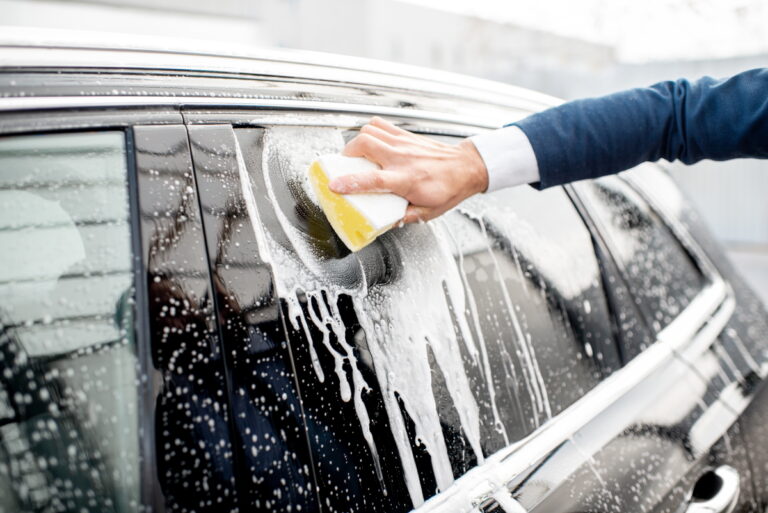
Image Source: qualityautoglasstint.com
Can You Get A Car Wash After Tint?
Yes, you can get a car wash after your automotive window tinting has been professionally applied, but you need to wait for a specific period and use the right methods.
Caring for Your Newly Tinted Windows
Tinting a car is a fantastic way to enhance its appearance, boost privacy, and block harmful UV rays. However, immediately after you’ve had your windows tinted, they require a bit of special attention. Understanding the right care practices will ensure your tint lasts longer and looks its best. This guide will walk you through everything you need to know about washing your car after tinting.
The Waiting Game: How Long Until You Can Wash?
The most crucial question for many car owners who have just undergone automotive window tinting is: “How long do I need to wait before washing my car?” The answer isn’t a one-size-fits-all. Most professional tint shops recommend waiting a minimum of 24 to 72 hours after the tint has been applied before exposing it to any form of washing. However, some experts suggest waiting even longer, up to 7 days, to be absolutely safe.
Why the wait? The adhesive used to bond the tint film to your windows needs time to cure properly. During this curing process, the adhesive dries and hardens, creating a strong, permanent bond. Washing your car too soon can disrupt this process.
- Early Washing Risks:
- Peeling Edges: Water or soap getting under the edges of the tint can cause them to lift and peel away from the glass.
- Bubbling: Residual moisture trapped under the film can lead to unsightly bubbles.
- Reduced Adhesion: The tint might not bond as strongly to the glass, potentially leading to premature failure.
The exact curing time can vary depending on several factors:
- Type of Tint Film: Different films have different adhesives with varying curing times.
- Climate and Humidity: Higher humidity and lower temperatures can slow down the curing process.
- Application Quality: A skilled installer ensures minimal moisture is left behind, which can aid in faster curing.
Always consult with your specific tint shop. They will provide you with the most accurate waiting period based on the products they use and their application techniques.
What to Do (and Not Do) Immediately After Tinting
Beyond the waiting period for a full car wash, there are other immediate care instructions to follow:
- Don’t Roll Down Windows: For the first few days (often 2-3 days), avoid rolling your windows down. This is because the tint film might not be fully secured yet, and the movement could cause the film to shift or detach, especially at the edges.
- Gentle Blotting: If you notice any condensation or water droplets on the inside of your windows (which is normal as the film dries), gently blot them with a clean, lint-free microfiber cloth. Do not rub.
- Avoid Adhesive Substances: Keep away from any sticky substances, like stickers or tape, that might adhere to the tint.
Navigating the Car Wash: The Dos and Don’ts
Once the recommended waiting period has passed, you can proceed with washing your car, but with caution. The way you wash your car can significantly impact the longevity and appearance of your automotive window tinting.
The Safe Way to Wash Your Car After Tinting
When you’re ready for a car wash after tint, opt for gentle methods.
Methods to Consider:
-
Hand Washing: This is generally the safest option.
- Soap: Use a mild, pH-neutral car wash soap. Avoid soaps with abrasive chemicals or detergents that can break down the adhesive or damage the tint.
- Water: Use plenty of clean water. A gentle spray from a hose is ideal. Avoid high-pressure washers, especially directed at the edges of the tint.
- Washing Tools: Use a soft wash mitt (microfiber is best) or a clean, soft sponge. Never use abrasive scrubbers, steel wool, or stiff brushes.
- Drying: Gently dry the windows with a clean, soft microfiber towel. Again, blot rather than rub vigorously.
-
Touchless Car Washes: These can be a good option as they minimize physical contact with the car’s surface, reducing the risk of scratching or damaging the tint. However, be mindful of:
- High-Pressure Jets: Some touchless washes use very high-pressure water. Ensure these are not directly aimed at the window edges.
- Chemicals: While typically milder than abrasive washes, it’s still wise to be aware of the chemicals used.
Methods to Avoid
There are certain car wash practices that can be detrimental to your new tint.
Methods to Strictly Avoid:
- Abrasive Washes: Any car wash that uses brushes, cloths, or other materials that can rub against the tint should be avoided. This includes many older automatic car washes.
- High-Pressure Washers at Close Range: While generally safe for the main body of the car, aiming high-pressure jets directly at the edges of the tinted windows can force water under the film, leading to peeling or bubbling.
- Harsh Chemicals: Avoid ammonia-based cleaners (like many common glass cleaners), solvents, or degreasers. These can damage the tint film and its adhesive.
- Scraping: Never use razor blades, scrapers, or any sharp objects on tinted windows, even if you see a stubborn spot.
Cleaning the Inside of Your Tinted Windows
Cleaning the interior of your windows is just as important as the exterior.
Best Practices for Interior Cleaning:
- Wait Longer: It’s often recommended to wait a bit longer before cleaning the inside of your windows compared to the outside, perhaps 7-10 days. This is because you’ll be directly touching the tint film.
- Use Approved Cleaners: Use a specialized glass cleaner designed for tinted windows. These cleaners are typically ammonia-free and safe for tint film. You can also use a mixture of distilled water and a tiny amount of mild dish soap.
- Microfiber Cloths: Always use two clean, soft, lint-free microfiber cloths.
- First Cloth: Lightly spray the cleaner onto the cloth (not directly onto the window) and wipe the window gently.
- Second Cloth: Use the dry cloth to buff the window clean.
- No Rubbing or Scrubbing: Be gentle. Avoid rubbing back and forth aggressively. Wiping in one direction or in a gentle circular motion is usually sufficient.
- Avoid Paper Towels: Paper towels can leave lint and can be slightly abrasive, potentially scratching the tint.
The Role of Other Car Care Products
Once your tint is fully cured (usually after a few weeks), you might consider other car care treatments like ceramic coating or car wax.
- Ceramic Coating: Applying a ceramic coating to your car’s paintwork is generally fine. However, do not apply ceramic coating directly onto the window tint film itself. Ceramic coatings are designed for paint and are too harsh for tint film. If you are getting your paint professionally ceramic coated, ensure the detailer knows your windows are tinted and avoids applying the coating to the tinted areas.
- Car Wax: Similar to ceramic coating, car wax should not be applied to your tinted windows. The chemicals in car wax can damage the tint film. If you wax your car’s body, be careful not to get wax on the tinted glass. It can leave a cloudy residue that is difficult to remove without potentially harming the tint.
Paint Protection Film (PPF) and Tint
If you have Paint Protection Film (PPF) installed on your vehicle, especially on the windows (which is less common but possible), you’ll want to be cautious. PPF is a clear urethane film applied to painted surfaces to protect against chips, scratches, and stains. If your tint is applied over PPF on the windows, the curing and cleaning advice remains similar. However, always confirm with your installer if there are any specific recommendations for combined treatments.
Tint Removal: A Different Story
It’s important to distinguish between caring for new tint and the process of tint removal. Tint removal is a delicate process that requires professional attention. Using abrasive methods or incorrect chemicals during tint removal can easily scratch or damage the glass itself. If you ever need tint removal, always go to a reputable tint shop.
Long-Term Care for Tinted Windows
To ensure your automotive window tinting maintains its clarity and effectiveness for years to come, follow these long-term care tips:
- Regular Gentle Cleaning: Clean your windows regularly using the approved methods described above.
- Address Stains Promptly: If you notice any spots or residue, address them as soon as possible with the appropriate gentle cleaners.
- Avoid Parking Under Trees: Tree sap, bird droppings, and other natural contaminants can be difficult to remove and may require harsher cleaning if left for too long.
- Inspect for Damage: Periodically check the edges of your tint for any signs of lifting or peeling. If you notice anything, contact your tint shop for advice.
Summary Table: Car Wash After Tinting
| Action | Recommendation | Why? |
|---|---|---|
| Initial Waiting Period | 24-72 hours (minimum), up to 7 days recommended | Adhesive needs to cure properly to prevent peeling, bubbling, and poor adhesion. |
| Rolling Down Windows | Do not roll down for first 2-3 days | Tint film may shift or detach before the adhesive is fully set. |
| Exterior Washing | Hand wash with mild soap and microfiber tools | Gentle cleaning prevents damage to tint edges and film. |
| Exterior Washing | Touchless car washes (with caution) | Minimizes physical contact. Avoid high-pressure jets aimed at edges. |
| Exterior Washing | Avoid automatic washes with brushes/cloths | Brushes and cloths can scratch or lift the tint film. |
| Exterior Washing | Avoid high-pressure washers directed at edges | Can force water under the tint, causing damage. |
| Exterior Washing | Avoid harsh chemicals (ammonia, solvents) | Chemicals can break down tint adhesive and damage the film. |
| Interior Cleaning | Wait 7-10 days after tinting | Allows the film and adhesive to fully set before direct contact. |
| Interior Cleaning | Use ammonia-free glass cleaner or mild soap/water | Harsh chemicals can damage the tint film. |
| Interior Cleaning | Use clean microfiber cloths | Avoid paper towels or abrasive materials that can scratch the tint. |
| Ceramic Coating | Do not apply to tinted windows | Ceramic coatings are too harsh for tint film and can cause damage. |
| Car Wax | Do not apply to tinted windows | Wax can damage tint film and leave difficult-to-remove residue. |
Frequently Asked Questions (FAQ)
Q1: My tint shop said I can wash my car after 24 hours. Is that safe?
A1: While some tint shops may say 24 hours, it’s generally safer to wait longer. If you must wash, do it very gently, avoiding direct pressure on the tint edges. However, following the longer recommended waiting period (48-72 hours or more) provides the best assurance for proper curing. Always defer to your specific tint shop’s advice.
Q2: I see some small bubbles in my tint. Should I be worried?
A2: Small, disappearing bubbles within the first few days are often normal as the remaining moisture evaporates. However, if the bubbles persist or grow, or if they appear after you’ve already waited the recommended period and washed your car, it could indicate an issue with the installation or an early sign of the tint lifting. Contact your tint shop.
Q3: Can I use Windex on my tinted windows?
A3: No, you should never use Windex or any glass cleaner containing ammonia on your tinted windows. Ammonia can break down the adhesive and damage the tint film, leading to discoloration or peeling. Stick to ammonia-free cleaners specifically designed for tinted windows.
Q4: What if I accidentally got car wax on my tinted windows? How do I clean it?
A4: If you get wax on your tinted windows, it’s best to try a gentle cleaner designed for tinted windows first. Spray it onto a microfiber cloth and gently wipe the area. If that doesn’t work, you might need to use a very mild solution of distilled water and a drop of dish soap on a soft cloth. Avoid any harsh scrubbing or abrasive materials, as these can damage the tint.
Q5: Is it okay to use a squeegee on my tinted windows?
A5: It’s best to avoid squeegees on tinted windows, especially immediately after tinting. The rubber edge, even if soft, can potentially catch on the tint’s edges and cause lifting or scratching. Microfiber towels are the preferred drying method.
By following these guidelines, you can ensure your automotive window tinting remains a stylish and functional addition to your vehicle for years to come. Remember, patience and gentle care are key when it comes to maintaining your newly tinted windows.