
How much to ship a car to the Philippines from the USA? The cost can range from $1,000 to $4,000 or more, depending on the size of your vehicle, the shipping method, the departure and arrival ports, and additional services. It’s a complex process, but this guide will help you navigate the ins and outs of vehicle shipping Philippines.
Moving your prized vehicle across the Pacific Ocean is a significant undertaking. Whether you’re relocating for work, sending a classic car back home, or making a substantial investment, the question of “How Much?” looms large. This in-depth guide will break down the factors influencing the cost of auto transport USA to Philippines, helping you prepare for this exciting, yet potentially costly, endeavor. We’ll delve into car shipping cost Philippines, explore international car shipping USA options, and touch upon motorcycle shipping Philippines as well.
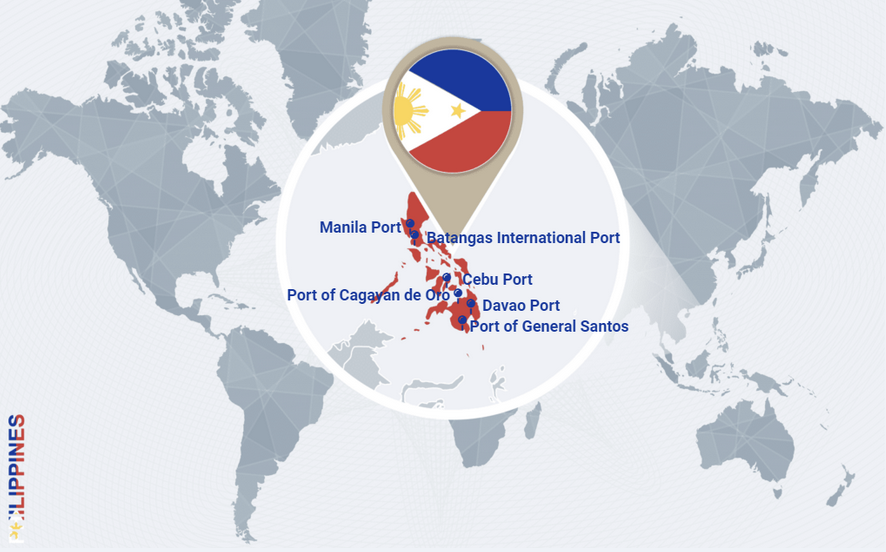
Image Source: www.brlogistics.net
Deciphering the Costs: What Drives Car Shipping Expenses?
The price tag for shipping a car from the USA to the Philippines isn’t static. It’s a mosaic of various charges, each contributing to the final sum. To accurately estimate your expenses, you need to look beyond just the base shipping fee.
Key Cost Factors:
- Vehicle Size and Weight: Larger vehicles, like SUVs and trucks, naturally consume more space and are heavier, leading to higher shipping costs compared to smaller sedans or compact cars. The shipping rates for cars Philippines are often calculated based on cubic meters or weight.
- Shipping Method: The choice between RORO shipping Philippines and container shipping cars Philippines significantly impacts the price. Each has its pros and cons, and the method you select will be a major determinant of the overall cost.
- Departure and Arrival Ports: Shipping from a major port on the West Coast of the USA (like Los Angeles or Long Beach) to a major port in the Philippines (like Manila or Cebu) is generally more cost-effective than shipping from an inland location or to a less common Philippine port. The distance and availability of direct routes play a crucial role.
- Insurance: While not always mandatory, insuring your vehicle against damage or loss during transit is highly recommended. Insurance premiums are typically a percentage of the vehicle’s declared value.
- Customs Duties and Taxes: The Philippines imposes customs duties, value-added tax (VAT), and excise tax on imported vehicles. These are significant costs that must be factored in. The cost to export car Philippines from the US is separate from the cost to import it into the Philippines.
- Origin and Destination Charges: This includes costs at the departure port (handling, documentation) and arrival port (port fees, customs clearance, destination handling).
- Additional Services: If you require services like vehicle cleaning, storage, or specialized handling, these will add to the total cost.
Shipping Methods Explained: RORO vs. Container
When it comes to vehicle shipping Philippines, two primary methods dominate: Roll-on/Roll-off (RORO) and container shipping. Choosing the right one is crucial for both cost and safety.
RORO Shipping Philippines: The Drive-On, Drive-Off Solution
RORO shipping is specifically designed for vehicles. Cars are driven directly onto a specialized car carrier ship and then driven off at the destination port.
How it works:
- Booking: You book your vehicle on an available RORO vessel.
- Delivery: You deliver your car to the designated port in the USA.
- Loading: Port workers expertly drive your car onto the ship and secure it.
- Transit: The ship sails to the Philippines.
- Unloading: Your car is driven off the ship at the Philippine port.
Pros of RORO:
- Cost-Effective: Generally, RORO is the most economical option for shipping standard vehicles.
- Simplicity: It’s a straightforward process, as the vehicle is driven on and off.
- Capacity: RORO vessels can carry a large number of vehicles.
Cons of RORO:
- Limited Protection: Your vehicle is exposed to the elements (though secured within the ship) and other vehicles on deck.
- No Personal Belongings: You cannot pack personal items inside the vehicle when using RORO.
- Potential for Scratches: While handled professionally, there’s always a slight risk of minor cosmetic damage during loading and unloading.
Average Cost for RORO: Expect RORO shipping costs from the USA to the Philippines to typically range from $1,000 to $2,500. This is a base rate and doesn’t include insurance, port fees, or customs duties.
Container Shipping Cars Philippines: Enclosed and Secure
Container shipping involves placing your vehicle inside a dedicated shipping container. This can be a shared container (groupage) or a sole-use container.
Types of Container Shipping:
- Shared Container (Groupage): Your car shares a container with other vehicles. This is often more affordable than a dedicated container but might take longer to fill and depart.
- Sole-Use Container (20ft or 40ft): Your vehicle is placed in its own container. This offers the highest level of security and allows you to pack personal belongings (though this can affect customs and taxes).
How it works:
- Booking: You choose between shared or sole-use container shipping.
- Loading: Your car is carefully driven or winched into the container at a warehouse or port. It’s then secured with straps and chocks to prevent movement.
- Transit: The container is loaded onto a container ship.
- Unloading: The container is discharged at the Philippine port, and your vehicle is removed.
Pros of Container Shipping:
- Superior Protection: Your vehicle is fully enclosed, offering excellent protection from weather, damage, and theft.
- Personal Belongings: You can often pack personal items inside the vehicle in a sole-use container (check regulations carefully).
- Security: Containers are sealed, providing enhanced security.
Cons of Container Shipping:
- Higher Cost: Container shipping is generally more expensive than RORO.
- Potentially More Complex: Loading and securing a vehicle in a container requires specialized handling.
Average Cost for Container Shipping:
- Shared Container: Expect costs from $1,500 to $3,000+, depending on how quickly the container fills.
- Sole-Use 20ft Container: Costs can range from $2,500 to $4,000+. A 20ft container can typically fit one large SUV or two smaller cars (if properly arranged).
Note: The prices above are estimates for the ocean freight only. They do not include insurance, port fees, customs duties, or taxes in the Philippines.
Motorcycle Shipping Philippines: A Different Ball Game
Shipping a motorcycle involves similar principles but often has different pricing structures and considerations due to its size and weight.
How it works for Motorcycles:
- Crating: Motorcycles are often crated for protection during transit. This crating service adds to the cost.
- RORO: Some RORO services might accept crated motorcycles.
- Container: Motorcycles are frequently shipped in containers, either in a shared container or a dedicated motorcycle crate within a larger container.
Cost for Motorcycle Shipping: Expect to pay $700 to $1,500 for motorcycle shipping from the USA to the Philippines, depending on the method and the complexity of crating. Always confirm with your chosen shipping company about their specific procedures and pricing for motorcycles.
The Import Process in the Philippines: Don’t Forget These Costs!
This is where a significant portion of your budget will be allocated. Importing a vehicle into the Philippines involves several government fees and taxes. These costs are separate from the car shipping cost Philippines and are crucial to factor in.
Customs Duties, Taxes, and Fees:
The Philippine government levies various taxes on imported vehicles. The exact amount depends on the vehicle’s:
- Make and Model: Different vehicle types have different tax brackets.
- Age: Older vehicles might have different duty rates.
- Engine Size (CC): This is a major factor in calculating excise tax.
- Declared Value: The customs valuation of your vehicle is critical.
Key Taxes and Duties:
- Customs Duty: A percentage of the CIF (Cost, Insurance, Freight) value.
- Excise Tax: A significant tax based on the manufacturer’s suggested retail price (MSRP) or the landed cost, varying greatly with engine size and vehicle type.
- Value-Added Tax (VAT): Applied to the sum of the CIF value, customs duty, and excise tax.
- Advance VAT: An additional percentage on top of the regular VAT.
- ACI (Automated Cargo Imaging) Fee: For scanning containers.
- Sufferance Fee: Port charges for storage outside the official customs area.
- Arrastre Charges: Port handling fees.
- Brokerage Fees: If you hire a customs broker to handle the complex paperwork.
Estimating Import Costs: It’s challenging to provide a precise figure without knowing your vehicle’s specifics and the current tax laws. However, as a general rule of thumb, expect import duties, taxes, and fees to add 30% to 70% of the vehicle’s value (including shipping costs) to the total expense. For example, if your car and shipping cost $20,000, expect an additional $6,000 to $14,000 in import charges.
Documents Required for Import:
You’ll need a comprehensive set of documents for clearing your vehicle through Philippine customs. This typically includes:
- Bill of Lading (from the shipping company)
- Commercial Invoice
- Certificate of Origin
- Proof of Ownership (Title and Registration)
- Import Declaration Form
- Customs Broker’s Letter of Authority
- Other permits or clearances as required by Philippine authorities.
Your chosen auto movers Philippines or shipping company can often provide guidance on these documents, and hiring a licensed customs broker in the Philippines is highly recommended to ensure a smooth process and avoid costly mistakes.
Additional Services and Associated Costs
Beyond the core shipping and import fees, several other services can add to your bill.
Vehicle Preparation:
- Cleaning: Your car will likely need to be cleaned before shipping, especially for RORO. This might be done by you or a professional service.
- Disabling Alarm Systems: Some shipping companies require car alarms to be disabled to prevent accidental activation during transit.
- Fuel Level: Cars are usually required to have very little fuel (often ¼ tank or less).
Insurance:
- Marine Insurance: This covers your vehicle against damage or loss during the sea voyage. Premiums are typically 1% to 2% of the vehicle’s declared value.
- Transit Insurance: Covers your vehicle from the moment it leaves your possession in the USA until it reaches the destination port in the Philippines.
Customs Brokerage:
- Hiring a customs broker in the Philippines is almost essential. They navigate the complex regulations, file the necessary paperwork, and liaise with customs officials. Fees can vary but budget around $200 to $500 or more, depending on the complexity of the import.
Port Handling and Terminal Fees:
- These are charges levied by the ports at both the departure and arrival ends for handling, storage, and other terminal services. These fees are often included in the overall quote from the shipping company but can be itemized.
Inland Transportation:
- If your car isn’t picked up directly from the Philippine port, you’ll need to arrange for local transportation. This involves trucking fees and potentially permits.
Finding Reliable Auto Transport Companies
Choosing the right auto transport USA to Philippines provider is critical for a successful shipment. Look for companies with:
- Experience: Proven track record in international car shipping USA.
- Reputation: Positive customer reviews and testimonials.
- Licensing and Insurance: Ensure they are properly licensed and insured.
- Clear Quoting: Transparent pricing with no hidden fees.
- Customer Service: Responsive and helpful communication.
You can find reputable companies through online searches, industry directories, and recommendations. Always get quotes from multiple companies to compare prices and services.
The Cost to Export Car Philippines: What to Consider
While the primary focus is shipping to the Philippines, if you’re considering the cost to export car Philippines to the USA, the dynamics are reversed. You’ll still have shipping costs, but the import regulations, duties, and taxes will be those of the USA, which can differ significantly. This guide, however, focuses on the US to Philippines route.
Step-by-Step Guide to Shipping Your Car
To help you visualize the process and associated costs, here’s a simplified step-by-step guide:
- Research and Get Quotes: Identify reputable vehicle shipping Philippines companies and request detailed quotes for RORO and container shipping. Ensure quotes include all foreseeable charges, or clearly itemize what’s excluded.
- Choose Shipping Method and Company: Select the method (RORO or container) and company that best fits your budget and needs.
- Prepare Your Vehicle: Clean the car thoroughly, ensure it has minimal fuel, and disable the alarm if required.
- Documentation: Gather all necessary documents (title, registration, passport, etc.).
- Deliver Vehicle to Port: Transport your car to the designated US port or consolidation point.
- Shipment Transit: The vehicle begins its journey. Track its progress if possible.
- Customs Clearance in the Philippines: This is where your chosen broker will be invaluable. Provide them with all necessary documents and pay the applicable duties and taxes.
- Pick Up Your Vehicle: Once customs are cleared and port fees are settled, you can collect your car from the Philippine port.
Sample Cost Breakdown (Illustrative Example)
Let’s imagine you are shipping a mid-size sedan from Los Angeles, USA, to Manila, Philippines, using RORO shipping Philippines.
| Service Category | Estimated Cost (USD) | Notes |
|---|---|---|
| Base Ocean Freight | $1,200 – $2,000 | RORO shipping for a mid-size sedan. |
| Marine Insurance | $12 – $40 | 1-2% of declared value (e.g., $2,000 vehicle value). |
| US Port Fees & Handling | $150 – $300 | Terminal handling charges, documentation fees at the US port. |
| Philippine Port Fees | $300 – $600 | Arrastre, terminal handling, documentation at Manila port. |
| Customs Brokerage | $300 – $500 | Fee for a licensed Philippine customs broker. |
| Import Duties | Varies | Calculated on CIF value. Can be 5-30% depending on vehicle type. |
| Excise Tax | Varies | Based on engine size/MSRP. Can be significant for larger engines. |
| VAT | Varies | Applied to CIF + Duty + Excise Tax. Currently 12%. |
| Advance VAT | Varies | Additional VAT percentage. |
| Miscellaneous Fees | $100 – $200 | Inspections, permits, etc. |
| Total (Excluding Taxes) | $2,062 – $3,640 | This is a ballpark for shipping and port fees. |
| Total (Including Taxes) | $3,000 – $7,000+ | Highly dependent on vehicle value, engine size, and specific tax rates. |
Important: This is a simplified illustration. Actual costs will vary. It’s crucial to get personalized quotes.
Frequently Asked Questions (FAQ)
Can I ship personal belongings in my car to the Philippines?
Generally, you can only ship personal belongings if you use container shipping cars Philippines in a sole-use container. RORO shipping strictly prohibits any items inside the vehicle due to safety and liability reasons. Always confirm with your shipping company and check Philippine customs regulations regarding personal effects.
How long does it take to ship a car from the USA to the Philippines?
The transit time for auto transport USA to Philippines can range from 4 to 8 weeks, depending on the departure port, the shipping line’s schedule, and any potential delays. Customs clearance in the Philippines can also add to the overall time.
What are the age restrictions for importing vehicles into the Philippines?
The Philippines generally allows the importation of vehicles up to 8 years old. However, there are exceptions for certain categories like diplomatic personnel or specialized vehicles. It’s vital to check the latest regulations from the Bureau of Customs Philippines.
Do I need a customs broker in the Philippines?
While not legally mandatory, it is highly recommended to hire a licensed customs broker. They have the expertise to navigate the complex import regulations, ensure correct duty and tax calculations, and handle the extensive paperwork, preventing potential fines or delays.
What is the process for vehicle shipping Philippines if I’m a balikbayan?
“Balikbayan” (Filipino citizens returning from overseas) might be eligible for certain tax exemptions or reduced duties on imported vehicles under specific conditions outlined in the “Balikbayan Law.” This typically requires proof of residency abroad and returning to the Philippines permanently. Consult with a customs broker for detailed eligibility criteria.
How much does it cost to ship a car from the USA to the Philippines for a Toyota Camry?
For a Toyota Camry, using RORO shipping Philippines, you might expect the ocean freight alone to be around $1,000 to $1,800. Including all associated fees, insurance, and estimated import taxes, the total cost could realistically fall between $2,500 and $6,000+, depending heavily on the car’s value and current tax rates.
Are there companies that specialize in motorcycle shipping Philippines?
Yes, many international shipping companies that handle car shipping also offer motorcycle shipping Philippines. Look for companies experienced in crating and securing motorcycles for transit.
What are the typical shipping rates for cars Philippines if I choose container shipping?
Shipping rates for cars Philippines via container will be higher than RORO. For a mid-size car in a shared container, expect base freight costs of $1,500-$2,500. In a sole-use 20ft container, this could be $2,500-$4,000+. These rates do not include insurance or destination charges.
By carefully considering these factors and meticulously planning your shipment, you can navigate the process of shipping your car from the USA to the Philippines with greater confidence and preparedness. Remember, detailed research and getting multiple quotes are your best tools for managing the car shipping cost Philippines.