
Imagine your favorite song playing through your speakers. Does it sound as clear and powerful as it could? Often, the secret to amazing sound isn’t just the big speakers or the fancy amplifier. It’s a smaller, often overlooked component called a preamplifier.
Choosing the right preamplifier can feel like navigating a maze. You want to boost your audio signal without adding unwanted noise or distortion. But with so many types and features, it’s easy to get confused and end up with something that doesn’t quite fit your setup. This can lead to disappointing sound quality, even with great equipment.
This post will help you understand what a preamplifier does and why it’s so important. We’ll break down the confusing jargon and explain what to look for. By the end, you’ll feel more confident about finding a preamplifier that makes your music truly shine.
Our Top 5 Pre Amplifier Recommendations at a Glance
Top 5 Pre Amplifier Detailed Reviews
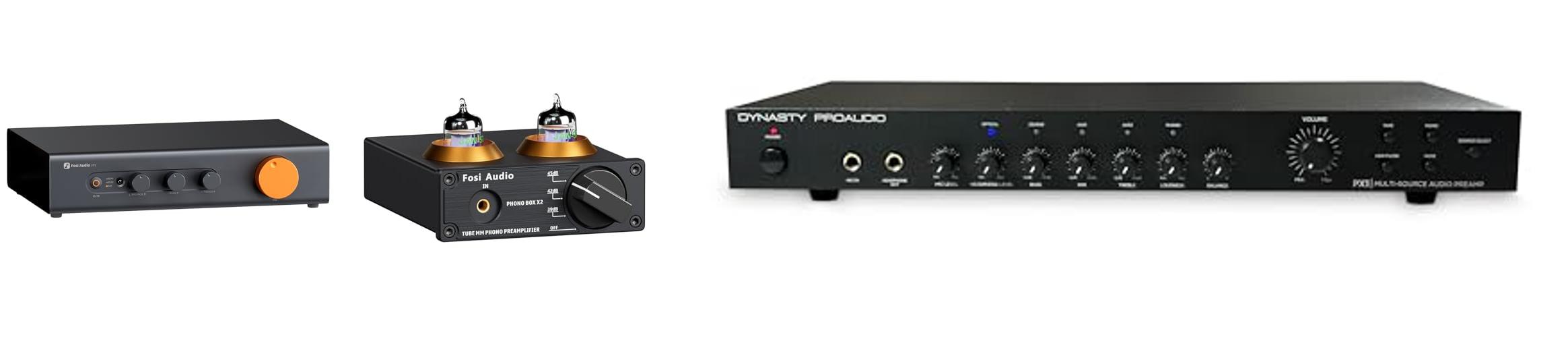
1. Fosi Audio ZP3 Balanced Preamp for Home Audio

Rating: 9.1/10
The Fosi Audio ZP3 Balanced Preamp is a versatile hub for your home audio system. It lets you connect multiple sound sources and fine-tune your listening experience. This preamp makes managing your music easy and enjoyable.
What We Like:
- It acts as a home audio control center, allowing you to connect up to three different sound sources.
- You can switch between sources and adjust the volume easily with the included remote control.
- It offers flexible connections with RCA and XLR inputs and outputs, plus a dedicated subwoofer output.
- It supports balanced XLR connections for clearer sound.
- The preamp uses high-quality parts like ELNA capacitors and a good volume chip to reduce noise and improve sound.
- An adjustable High-Pass Filter (HPF) lets you send bass to a subwoofer and keep mids and highs for your main speakers.
- You can adjust bass and treble, and even bypass these controls.
- It remembers the volume level for each input source, so your settings are saved.
What Could Be Improved:
- When first using a new input, it’s important to turn the volume down to avoid loud surprises.
The Fosi Audio ZP3 is a great addition for anyone looking to upgrade their home stereo system. It offers excellent control and sound customization for a more immersive listening experience.
2. Fosi Audio Box X2 Phono Preamp

Rating: 9.3/10
The Fosi Audio Box X2 Phono Preamp is a compact and versatile device that brings a warm, analog sound to your music setup. It’s designed to enhance your vinyl listening experience by cleaning up your turntable’s signal and adding a rich tube sound. Whether you’re just starting out or looking to fine-tune your audio, this preamp offers a lot of control.
What We Like:
- It effectively reduces unwanted noise, making your music sound clearer.
- You can adjust the volume level with three different gain settings (39, 42, or 45 dB) for a personalized listening experience.
- It also works as a tube preamp for other audio devices using its 3.5mm AUX input, adding a warm and smooth tone.
- You can easily swap out different vacuum tubes (like 6K4, 6J1, or GE5654) to change the sound to your liking.
- The grounding post helps protect your turntable.
- The package includes everything you need to get started: the preamp, two vacuum tubes, cables, and a power adapter.
What Could Be Improved:
- While it offers tube rolling, the selection of compatible tubes might seem limited to some users.
- It’s specifically designed for MM (Moving Magnet) turntables, so it won’t work with MC (Moving Coil) cartridges.
The Fosi Audio Box X2 is a fantastic option for anyone wanting to upgrade their turntable’s sound with a touch of tube warmth and enjoy more control over their audio. It’s a great entry point into the world of Hi-Fi audio.
3. Dynasty ProAudio PX1 High Definition Multi-Source Hi-Fi Home Audio Stereo Preamplifier

Rating: 8.6/10
The Dynasty ProAudio PX1 is a high-definition stereo preamplifier designed to bring top-notch sound quality and many ways to connect your devices to your home audio system.
What We Like:
- It has super clear sound thanks to its special low-noise parts and a 3-band EQ. You get a wide range of sound frequencies with no distortion.
- It can connect to almost anything. It has four RCA inputs for regular audio devices, a special input for turntables with a built-in RIAA preamp, and an optical input for your TV.
- You can plug in a microphone directly to the front with its own clear preamp.
- It has multiple output options, including full-range stereo, crossover for subwoofers, and a stereo headphone jack.
- Its design fits nicely in a 1U rack or can sit on a table or shelf.
- It offers excellent control over your Hi-Fi sound.
- The wide frequency response and zero distortion mean you hear music just as it was meant to be heard.
What Could Be Improved:
- While it offers many inputs, it lacks any digital inputs beyond the single S/PDIF optical.
- The 1U rack-mountable design might be a bit too small for some existing rack setups without additional accessories.
The Dynasty ProAudio PX1 is a fantastic choice for anyone looking to upgrade their home audio. It delivers excellent sound and connects to a wide variety of devices.
4. Fosi Audio P4 Mini Preamp with 3 RCA Inputs

Rating: 8.8/10
The Fosi Audio P4 Mini Preamp is a small but mighty control hub for your home audio setup. It lets you connect up to three different sound sources, like your CD player, music streamer, or even a turntable with its own built-in phono preamp. Switching between these sources is as easy as a quick click. This little preamp helps you get the best sound from your speakers or subwoofer.
What We Like:
- It’s a mini control hub that connects up to 3 RCA inputs, so you can plug in your CD player, streamer, DAC, cassette deck, or turntable.
- You can easily switch between your audio sources with just a click.
- It has a volume knob, bass and treble controls with a bypass option, and three levels of gain (3, 6, or 9 dB) to fine-tune your sound.
- A remote control makes adjusting settings from your seat super convenient.
- The motorized volume knob is smooth and precise, giving you a better sound experience with less noise and distortion.
- It’s compact and built tough, so it won’t take up much space and is protected from interference.
- The P4 offers clear sound with very little noise or distortion, making your music sound its best.
What Could Be Improved:
- While it has bass and treble controls, some users might want a more advanced equalizer for detailed sound shaping.
- The “mini” design, while space-saving, might feel less substantial to some users compared to larger preamps.
The Fosi Audio P4 Mini Preamp is a fantastic choice for anyone looking to upgrade their home audio system. It offers great sound quality and user-friendly features in a compact package.
5. OSD Audio Pre-1 High Definition Preamplifier – Multi Source Select Phono Ready

Rating: 8.6/10
The OSD Audio Pre-1 High Definition Preamplifier is a special device that makes your sound system sound even better. It helps manage different sound sources easily. This preamp can take your ordinary audio and make it amazing. It’s built for people who want to hear every little sound in their music or movies.
What We Like:
- It helps you get true surround sound for your home theater.
- You can hear every detail in your audio for a better experience.
- It has a special filter for low sounds, making it great for home recording or stereo systems.
- The front panel has easy controls for microphones, input selection, and muting.
- You can adjust bass, treble, loudness, and balance.
- It’s important for recording music because it makes weak microphone signals stronger.
- It gives you a better recording signal than regular equipment.
What Could Be Improved:
- The description doesn’t mention if it has a built-in phono stage, which might be a drawback for some vinyl enthusiasts.
- More details about the specific types of inputs and outputs would be helpful for advanced users.
The OSD Audio Pre-1 is a solid choice for anyone looking to boost their audio setup. It offers great sound and useful controls for a more enjoyable listening experience.
The Ultimate Preamp Buying Guide: Amplify Your Sound!
So, you want to make your music sound amazing, right? A preamplifier, or preamp, is a super important piece of gear that helps your sound get loud and clear. Think of it as the first step in making your audio signal stronger and better before it goes to your main amplifier. This guide will help you pick the perfect preamp for your needs.
What to Look For in a Preamp: Key Features
When you’re shopping for a preamp, keep these important features in mind:
- Gain: This is how much the preamp boosts your sound signal. More gain means a louder signal.
- Input/Output Options: How many ways can you plug things in and out? Look for enough ports for your microphones, instruments, and other gear.
- Phantom Power: Some microphones need this special power to work. Make sure your preamp has it if your mic requires it.
- EQ Controls: These let you adjust the bass, middle, and treble of your sound. It’s like a sound sculptor!
- Connectivity: Can it connect to your computer or other devices easily? USB or digital outputs are handy.
- Build Quality: Does it feel sturdy and well-made? This often means it will last longer.
Materials Matter: What Makes a Preamp Good?
The stuff a preamp is made from can affect how it sounds and how long it lasts.
Good Materials:
- Metal Casing: A strong metal box protects the inside parts and can help reduce noise.
- High-Quality Components: Things like good capacitors and resistors inside the preamp make a big difference in sound clarity.
Less Ideal Materials:
- Cheap Plastic: Plastic cases might not be as durable and can sometimes pick up more interference.
- Low-Grade Components: These can make your sound sound muddy or weak.
What Makes a Preamp’s Quality Shine (or Fade)?
Lots of things can make a preamp sound great or just okay.
Things That Improve Quality:
- Clean Signal Path: This means the sound signal travels through the preamp without picking up unwanted noise or distortion.
- Low Noise Floor: A good preamp adds very little hiss or hum to your sound.
- Accurate Sound Reproduction: It should make your sound as true to the original as possible.
- Good Headroom: This means the preamp can handle loud signals without clipping (sounding distorted).
Things That Reduce Quality:
- Excessive Noise: Hiss, hum, or buzz can ruin your audio.
- Distortion: When the sound gets too loud and starts to break up in an unpleasant way.
- Limited Frequency Response: If the preamp can’t handle both the lowest lows and highest highs of sound well, your audio will sound flat.
User Experience and Where to Use Your Preamp
How you use a preamp is just as important as what it is.
Easy to Use:
- Simple Controls: Knobs and buttons that are easy to understand and adjust make for a better experience.
- Clear Display: If it has a screen, it should show you what’s happening with your sound easily.
Common Use Cases:
- Recording Music: Singers and musicians use preamps to make their microphones and instruments sound their best before recording.
- Podcasting: Podcasters use preamps to get clear, strong audio for their shows.
- Live Sound: For bands playing live, preamps help make sure the vocals and instruments are heard clearly through the speakers.
- Home Hi-Fi Systems: Audiophiles use preamps to get the cleanest possible signal to their power amplifiers for amazing home listening.
Preamp FAQ: Your Questions Answered!
Q: What is a preamp used for?
A: A preamp is used to boost and improve a weak audio signal before it goes to a power amplifier or recording device. It makes your sound louder and clearer.
Q: Do I need a preamp if I have an amplifier?
A: Sometimes. Many amplifiers have a built-in preamp. But an external preamp can give you more control and often better sound quality.
Q: How much does a good preamp cost?
A: Prices can range a lot! You can find decent ones for under $100, while professional-grade preamps can cost thousands of dollars.
Q: What’s the difference between a preamp and an amplifier?
A: A preamp boosts a weak signal to “line level.” An amplifier then takes that signal and makes it powerful enough to drive speakers.
Q: Can I use a preamp with any microphone?
A: Most preamps work with standard microphones. However, check if your microphone needs phantom power and if the preamp provides it.
Q: Will a preamp make my old speakers sound better?
A: A preamp can improve the signal going to your amplifier, which can lead to better sound from your speakers. However, it won’t magically fix bad speakers.
Q: What is “gain staging”?
A: Gain staging is setting the volume levels correctly at each step of your audio signal chain, including your preamp, to avoid distortion and noise.
Q: Are tube preamps better than solid-state preamps?
A: Both have their fans! Tube preamps often add a warm, pleasing character to sound. Solid-state preamps are usually cleaner and more precise.
Q: How do I connect a preamp to my computer?
A: Many modern preamps have a USB output that connects directly to your computer. Others might use digital outputs like S/PDIF.
Q: Can a preamp help if my audio sounds too quiet?
A: Yes! A primary job of a preamp is to increase the volume of quiet signals, like those from microphones or turntables.
In conclusion, every product has unique features and benefits. We hope this review helps you decide if it meets your needs. An informed choice ensures the best experience.
If you have any questions or feedback, please share them in the comments. Your input helps everyone. Thank you for reading.