
Yes, you can finance a car wrap, especially if you’re a business owner looking to boost brand visibility. Financing a car wrap allows you to spread the cost over time, making this powerful advertising tool accessible without a large upfront investment.
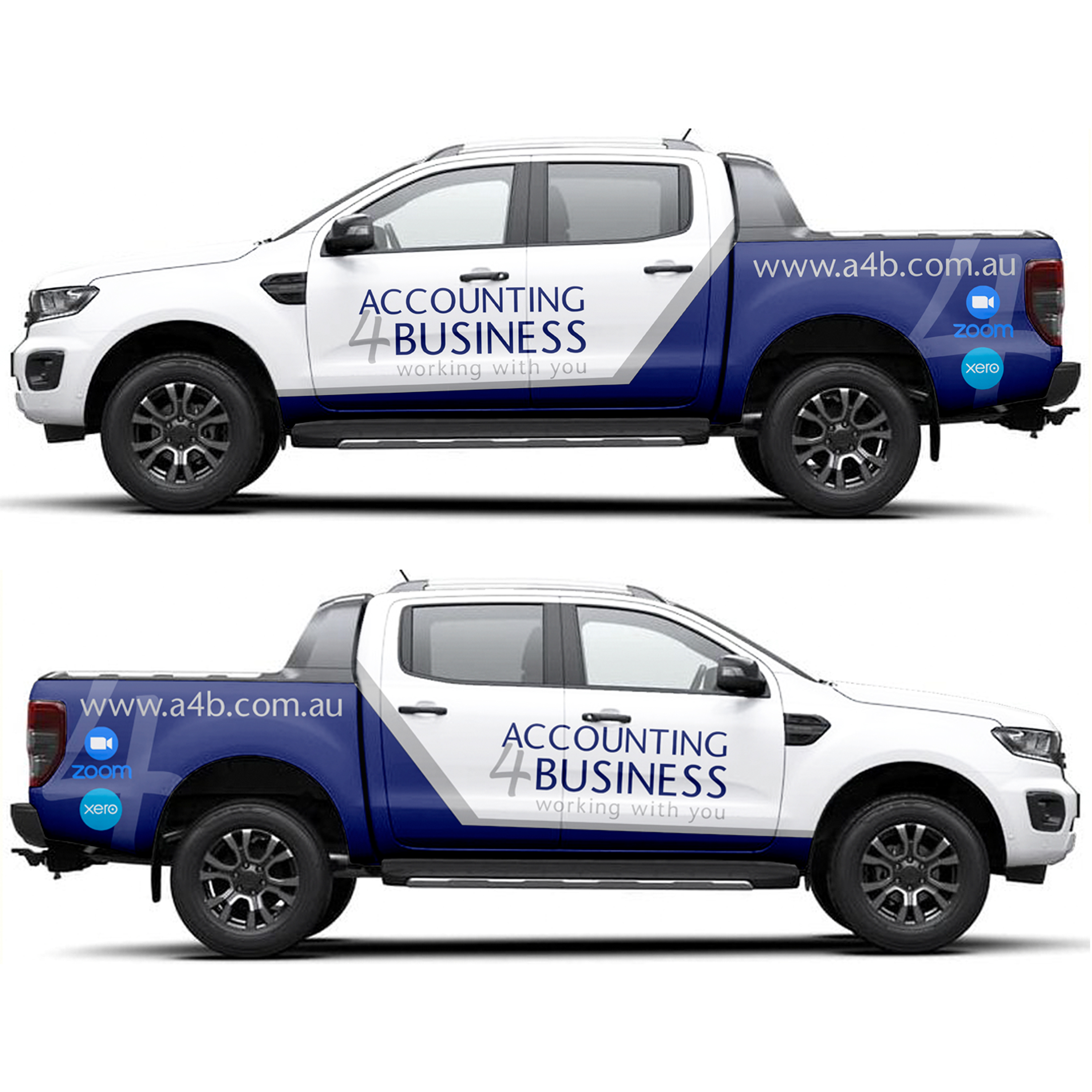
Image Source: dcassetcdn.com
Why Consider Financing a Car Wrap?
A car wrap is more than just a fresh look for your vehicle; it’s a mobile billboard. For businesses, it’s a cost-effective way to reach a wider audience and reinforce brand identity. However, the upfront cost of a professional, high-quality wrap can be significant, ranging from a few hundred dollars for simple designs to several thousand for full vehicle coverage with intricate graphics. This is where car wrap financing comes into play, making this marketing investment achievable.
The Power of a Wrapped Vehicle
- Brand Awareness: A well-designed wrap constantly promotes your business as you drive around town.
- Cost-Effectiveness: Compared to traditional advertising like billboards or print ads, wraps offer a lower cost per impression.
- Professional Image: A clean, branded vehicle projects a professional and established image.
- Vehicle Protection: The vinyl wrap can protect your vehicle’s original paint from minor scratches, chips, and UV damage.
For many businesses, especially startups or those with tight cash flow, paying for a full wrap upfront isn’t feasible. This is where vehicle wrap loans and wrap payment plans offer a solution.
Options for Financing Your Car Wrap
When you’re looking into business vehicle wrap financing, you’ll find a few different avenues to explore. Each has its pros and cons, and the best choice depends on your business’s financial situation and needs.
1. Small Business Loans
Traditional small business loans can be used to cover a wide range of business expenses, including marketing initiatives like car wraps.
Types of Small Business Loans:
- Term Loans: These are loans with a fixed repayment schedule. You borrow a lump sum and pay it back with interest over a set period.
- Lines of Credit: This is more flexible, like a credit card for your business. You can draw funds as needed up to a certain limit and only pay interest on the amount you use.
Pros:
- Can cover large expenses.
- Often have competitive interest rates if your credit is good.
- Provides flexibility in how you use the funds.
Cons:
- Application process can be lengthy.
- Requires good credit history and a solid business plan.
- May require collateral.
2. Equipment Financing
Some lenders offer financing specifically for business equipment, and a car wrap can sometimes be categorized as such, especially if it’s for a commercial fleet.
How Equipment Financing Works:
This type of financing is secured by the equipment being purchased. The lender essentially buys the equipment and leases it to you, or provides a loan directly for its purchase.
Pros:
- Easier to qualify for than traditional loans if the equipment itself is valuable.
- Interest rates can be favorable.
- Helps preserve your working capital.
Cons:
- The loan is tied to the specific equipment.
- May have stricter terms regarding the lifespan of the equipment.
3. Business Credit Cards
For smaller wrap projects or as a way to bridge a short-term funding gap, a business credit card can be an option.
Using Credit Cards for Wraps:
- Pros: Quick and easy access to funds, can earn rewards.
- Cons: High interest rates if not paid off quickly, can impact your credit utilization ratio.
This is generally not recommended for larger commercial vehicle wraps funding due to the high interest costs over time.
4. Vendor Financing or Wrap Installment Plans
Many vinyl wrap financing options are offered directly through the wrap shop or a partner financing company. These are often tailored specifically for wrap projects.
Vendor Financing Explained:
The wrap company partners with a financial institution or offers its own payment plans to allow you to pay for the wrap over time. This is a very popular route for custom car wrap loans.
Pros:
- Streamlined application process, often integrated into the purchase.
- May be more accessible for businesses with less-than-perfect credit.
- Designed specifically for the service.
Cons:
- Interest rates might be higher than traditional bank loans.
- Limited to the services offered by that specific vendor.
5. Lease Agreements with Wrap Included
If you’re leasing vehicles for your business, some leasing companies might allow you to include the cost of a wrap in your monthly lease payment. This is particularly relevant for fleet wrap financing.
Lease Inclusions:
- Pros: Simplifies payments by bundling costs, allows for up-to-date branding on leased vehicles.
- Cons: May increase your monthly lease payment significantly, the wrap is tied to the lease term.
6. Personal Loans or Business Owner Loans
If your business is very new or hasn’t established significant credit history, you might consider using a personal loan or leveraging your personal creditworthiness.
Personal Financing Considerations:
- Pros: Can be easier to obtain for individuals than business loans.
- Cons: Puts your personal finances at risk, interest rates can vary widely.
This approach should be carefully considered, as it mixes business and personal finances.
Factors Affecting Your Ability to Finance
Several factors will influence whether you can get financing for your car wrap and the terms you’ll receive.
Credit Score
- Personal Credit: Crucial if you’re a sole proprietor or if the business is new. A higher score means better loan terms and lower interest rates.
- Business Credit: For established businesses, a strong business credit profile is essential. This includes payment history with suppliers and any existing business loans.
Time in Business
Lenders often prefer businesses that have been operating for at least 1-2 years. Newer businesses may find it harder to secure financing without a strong business plan and personal guarantees.
Revenue and Profitability
Lenders will assess your business’s ability to repay the loan. Consistent revenue and profitability are key indicators. They might ask for financial statements, tax returns, and bank statements.
Collateral
Some loans, especially larger ones, might require collateral. This could be business assets like equipment, inventory, or even real estate.
Business Plan
A well-written business plan that clearly outlines how the car wrap will contribute to revenue growth and a positive return on investment can strengthen your financing application. This is particularly important for advertising wrap financing.
The Application Process
The steps to get financing for a car wrap are similar to applying for other business loans.
Step-by-Step Guide to Applying:
- Determine Your Needs: Decide on the type of wrap, the design complexity, and the total cost. Get a detailed quote from a reputable wrap provider.
- Research Lenders: Look for banks, credit unions, online lenders, or specialized financing companies that offer business loans or equipment financing. If the wrap provider offers financing, explore that first.
- Gather Documentation: This typically includes:
- Business plan
- Financial statements (profit and loss, balance sheet)
- Tax returns (business and personal)
- Bank statements
- Proof of business ownership
- Personal identification
- The quote for the car wrap
- Complete the Application: Fill out the loan application accurately and thoroughly.
- Underwriting: The lender will review your application, credit history, and financial documents.
- Approval and Funding: If approved, you’ll receive a loan offer. Review the terms carefully before accepting. Once accepted, the funds will be disbursed.
Types of Car Wraps and Their Costs
The cost of a car wrap can vary significantly, which will influence the amount you need to finance.
Cost Factors:
- Vehicle Size and Type: Larger vehicles (vans, trucks, buses) cost more than cars.
- Wrap Coverage: Full wraps are the most expensive, followed by partial wraps and accent wraps.
- Material Quality: Premium vinyl and special finishes (matte, metallic, chrome) increase the price.
- Design Complexity: Intricate graphics, custom logos, and detailed artwork require more design and installation time.
- Installation: Professional installation is crucial for a durable and aesthetically pleasing finish.
Example Cost Breakdown (Estimated):
| Wrap Type | Average Cost Range | Notes |
|---|---|---|
| Partial Wrap | $500 – $1,500 | Covers 25-50% of the vehicle |
| Full Wrap | $1,500 – $5,000+ | Covers 75-100% of the vehicle |
| Fleet Wraps | $1,000 – $4,000+ per vehicle | Discounts often apply for multiple vehicles |
| Specialty Vinyl | Adds $300 – $1,000+ | Chrome, matte, color-shifting, textured finishes |
| Design Fees | $50 – $500+ | Depending on complexity and designer |
These costs are approximations and can vary based on your location and the specific wrap shop. This information is vital when seeking wrap investment loans.
Benefits of Financing vs. Paying Cash
While paying cash eliminates interest, financing offers distinct advantages for many businesses.
Financial Advantages of Financing:
- Preserves Working Capital: Keeps cash on hand for daily operations, inventory, or unexpected expenses.
- Budgeting and Cash Flow Management: Allows for predictable monthly payments, making financial planning easier.
- Potential Tax Advantages: Interest paid on business loans may be tax-deductible. (Consult a tax professional for specifics).
- Builds Business Credit: Timely loan repayments can improve your business credit score, making future financing easier.
Making the Decision: Financing vs. Cash
The decision to finance or pay cash depends on your business’s current financial health.
When Financing Makes Sense:
- Your business has strong cash flow needs and needs to conserve liquid assets.
- You want to spread the cost over a period that aligns with the marketing ROI of the wrap.
- You can secure financing at a reasonable interest rate that makes the overall cost acceptable.
- You aim to build your business credit history.
When Paying Cash Makes Sense:
- You have ample cash reserves without jeopardizing business operations.
- You want to avoid all interest charges.
- You prefer not to take on additional debt.
For custom car wrap loans, especially those with unique designs, the ability to finance can unlock creative branding opportunities that might otherwise be out of reach.
Important Considerations for Your Wrap Loan
Once you’ve decided to finance, keep these points in mind.
Choosing the Right Lender
- Reputation: Look for lenders with positive reviews and a good track record.
- Rates and Fees: Compare interest rates (APR), origination fees, and any other charges.
- Loan Terms: Ensure the repayment period and monthly payments are manageable for your business.
- Customer Service: Good communication and support are vital throughout the loan process.
The Wrap Provider’s Role
Many wrap companies are accustomed to working with businesses that need financing. They can often:
- Provide detailed quotes that lenders require.
- Recommend financing partners or offer their own wrap payment plans.
- Help you understand the specifics of the wrap as an investment.
This is where advertising wrap financing often becomes more straightforward, as the marketing benefit is clearly demonstrable.
FAQs About Financing Car Wraps
Q1: Can I get financing for a car wrap if my business is brand new?
A1: It can be challenging for brand-new businesses with no operating history to get financing. You might need a strong personal credit score, a detailed business plan, and potentially a personal guarantee or collateral. Some vendors may offer limited wrap payment plans for newer businesses.
Q2: What is the average interest rate for a car wrap loan?
A2: Interest rates vary widely depending on the lender, your creditworthiness, the loan term, and the type of loan. Rates can range from single digits for prime borrowers with traditional loans to much higher for unsecured business loans or shorter-term financing. Always compare the Annual Percentage Rate (APR), which includes all fees.
Q3: How long does it take to get approved for car wrap financing?
A3: Approval times can range from a few hours for online lenders to several weeks for traditional bank loans. Vendor financing or wrap installment plans are often the quickest.
Q4: Does financing a car wrap affect my personal credit?
A4: If you take out a personal loan or use a personal credit card for a business expense, it will directly impact your personal credit. If you secure a business loan with a personal guarantee, your credit could be affected if the business defaults. Business loans obtained solely on the business’s creditworthiness generally will not impact your personal credit.
Q5: What are the benefits of choosing a vendor’s wrap payment plan over a bank loan?
A5: Vendor financing is often faster, has a simpler application process, and is tailored to the wrap service itself. It can also be more accessible for businesses that may not qualify for traditional bank loans. However, interest rates might be higher. This is a key consideration for vinyl wrap financing options.
Q6: Is fleet wrap financing different from financing a single vehicle wrap?
A6: Yes, fleet wrap financing typically involves larger loan amounts and may be treated more like equipment financing or a business line of credit. Lenders may offer better terms for bulk financing due to the scale of the investment and the consistent branding opportunity it provides.
Q7: What is an “advertising wrap” and why is financing for it relevant?
A7: An advertising wrap is a car wrap specifically designed with the primary goal of promoting a business, product, or service. Financing is crucial for advertising wrap financing because it allows businesses to invest in this powerful, ongoing marketing tool without a significant upfront cash outlay, turning their vehicles into active advertising assets.
Q8: Can I get a loan to wrap my personal vehicle for business use?
A8: While you might be able to use personal loans or credit cards, dedicated vehicle wrap loans are typically geared towards businesses. If the vehicle is primarily used for business purposes, you can explore business financing options by demonstrating its business utility in your application.
Q9: What if my wrap project is very unique or custom? Are there specific loan types for this?
A9: For custom car wrap loans, you’ll generally use the same financing avenues as standard wraps. The key is to have a clear quote detailing the custom work and to articulate how the unique design will benefit your business. Some specialized lenders might be more amenable to unique projects if the business case is strong.
Q10: What is a “wrap investment loan”?
A10: A “wrap investment loan” refers to financing obtained specifically for the purpose of investing in a car wrap as a marketing or advertising asset for a business. The term emphasizes the wrap as an investment designed to generate returns through increased brand visibility and customer acquisition.
Conclusion
Financing a car wrap is a smart move for businesses looking to enhance their brand presence and marketing reach without straining their immediate cash flow. By exploring options like small business loans, equipment financing, or vendor-specific wrap payment plans, you can make this impactful advertising solution a reality. Remember to research your options, understand the terms, and choose the financing that best aligns with your business’s financial strategy. A well-executed car wrap, financed wisely, can be a significant asset to your company’s growth.