
Can you wash a car in the sun? Yes, you can, but it’s generally not the best idea for achieving a flawless finish. Washing a car in direct sunlight can lead to several problems, primarily the rapid drying of soap and water, which often results in unsightly water spots on your vehicle’s paint.
Washing your car on a hot day or under the harsh midday sun presents unique challenges that can compromise the quality of your wash. While it’s tempting to get the chore done when you have the time, understanding the implications of car washing in direct sunlight is key to preventing damage and achieving that showroom shine. This detailed guide will explore the “why” behind the advice, offer practical solutions for how to wash car in sun if you must, and highlight the best practices for a sparkling clean vehicle.
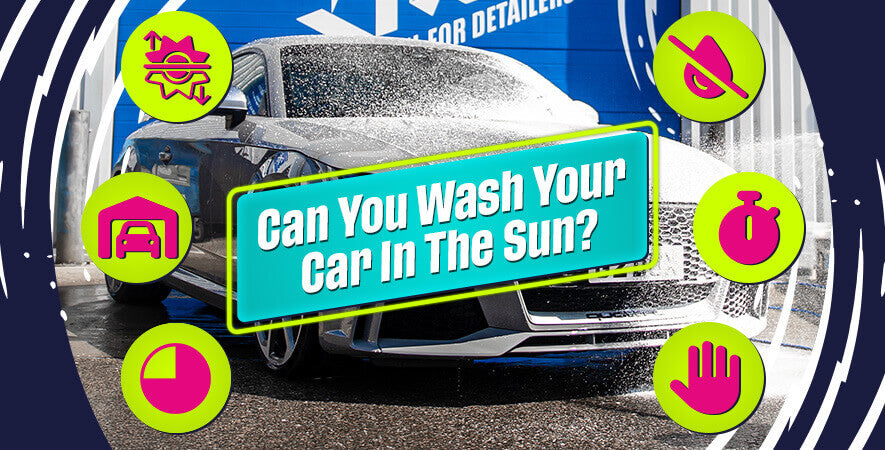
Image Source: www.duelautocare.co.uk
The Pitfalls of Sun Exposure During a Car Wash
Direct sunlight is the arch-nemesis of a good car wash. The warmth from the sun can dry soap, water, and cleaning solutions far too quickly. This rapid evaporation leaves behind mineral deposits and soap residue, which manifest as those frustrating water spots. These spots aren’t just ugly; they can etch into your car’s clear coat, requiring more aggressive polishing to remove.
Here’s a breakdown of why washing car in high heat is problematic:
- Rapid Drying: The most significant issue. Water evaporates quickly, leaving behind residue.
- Soap Scum: Soap left to dry on hot surfaces can become difficult to remove, potentially requiring harsh scrubbing.
- Uneven Cleaning: You might rinse one section, only for another to dry before you can rinse it properly.
- Heat Stress on Paint: While not an immediate concern for a single wash, repeated exposure to extreme heat can, over time, affect the paint’s integrity.
- Cooling Down the Surface: Even if you’re washing, the surface may still be too hot, contributing to the rapid drying issue.
The Science Behind Water Spots
Water spots are essentially the mineral content left behind when water evaporates. Tap water, especially in certain regions, contains dissolved minerals like calcium and magnesium. When water dries on your car’s surface, these minerals remain. On a hot surface, water evaporates even faster, concentrating these minerals into stubborn spots. If left unchecked, these can etch into the clear coat, becoming permanent blemishes.
When is the Best Time to Wash Your Car?
The best time to wash car is when the sun is not at its strongest. This typically means:
- Early Morning: Before the sun gets high and begins to heat surfaces.
- Late Afternoon/Early Evening: After the harshest heat of the day has subsided.
- Overcast Days: These are ideal, providing consistent shade and preventing rapid drying.
Choosing the right time minimizes the risk of rapid drying and makes the entire washing process more enjoyable and effective.
How to Wash a Car in the Sun (When You Have No Other Choice)
Sometimes, life happens, and you have to wash your car when the sun is out. Don’t despair! With the right techniques and products, you can still achieve a decent result. These are crucial car wash tips sun management strategies:
1. Preparation is Key
- Gather Your Supplies: Have everything ready before you start. You don’t want to be searching for a bucket or soap while half your car is drying in the sun.
- Two-Bucket Method: This is non-negotiable, especially in the sun. One bucket for soapy water, one for rinsing your wash mitt. This prevents you from putting grit back onto your paint.
- Quality Car Wash Soap: Use a pH-neutral car wash soap that is designed to lubricate and lift dirt without stripping waxes or sealants.
- Soft Wash Mitts: Microfiber or sheepskin mitts are gentle on paint.
2. Work in Sections
This is the most critical technique for how to wash car in sun.
- Divide and Conquer: Tackle one panel at a time. For example, start with the roof, then the hood, then one side panel, and so on.
- Rinse Thoroughly: As soon as you finish washing a section, rinse it immediately and thoroughly with cool water. Don’t let the soap sit on the paint for more than a minute or two before rinsing.
- Cool the Surface: If the surface feels hot to the touch, you can pre-rinse it with cool water to temporarily lower the temperature before applying soap.
3. The Washing Process
- Pre-Rinse: Start by rinsing the entire car with cool water. This removes loose dirt and debris and helps cool down the surface slightly.
- Wash from Top to Bottom: Begin with the roof and work your way down. The lower parts of the car are typically the dirtiest, so you don’t want to transfer that grime to clean upper panels.
- Gentle Agitation: Use your wash mitt in straight lines, not circles, to minimize the risk of introducing swirl marks. Rinse your mitt frequently in the rinse bucket.
- Immediate Rinsing: As mentioned, rinse each section immediately after washing. Don’t let soap dry on the paint.
4. Drying is Crucial
Drying car in sun can be just as problematic as washing it. You need to be quick and effective.
- Microfiber Drying Towels: Invest in high-quality, plush microfiber drying towels. These absorb a lot of water and are gentle on paint.
- Blot, Don’t Wipe: Gently blot the water off the surface rather than wiping vigorously. This reduces friction and the chance of scratching.
- Leaf Blower or Compressed Air: For crevices and hard-to-reach areas, a leaf blower or compressed air can quickly blast water away, preventing drips that can leave spots.
- Detailing Spray as Lubricant: You can use a quick detailer spray as you dry. Spray a section, then wipe dry with a clean microfiber towel. This adds lubrication, helps prevent spots, and adds a bit of gloss.
Washing Car in High Heat: Additional Tips and Considerations
When washing car in high heat, the principle remains the same: prevent rapid drying.
Using a Waterless Wash or Rinseless Wash
For light dust or dirt, a waterless wash or rinseless wash product can be a lifesaver.
- Waterless Wash: These are spray-on products that encapsulate dirt particles, allowing them to be wiped away safely with microfiber towels. Use multiple towels and fold them frequently to ensure you’re always using a clean surface.
- Rinseless Wash: These are highly concentrated soaps mixed with water in a bucket. You use a wash mitt or wash pad dipped in the solution, wipe the panel, and then dry it immediately with a microfiber towel. No final rinsing of the entire car is needed. This method uses significantly less water and is very efficient in hot conditions.
The Role of a Drying Aid
A drying aid (like a spray wax or quick detailer) applied during the drying process can:
- Add Lubrication: Makes it easier to wipe the car dry without scratching.
- Enhance Gloss: Leaves a slick finish.
- Provide Water Repellency: Helps water bead off the surface, reducing the likelihood of spotting between washes.
Protecting Your Paint After Washing
- Wax or Sealant: If you have time, applying a spray wax or a more durable sealant after washing can offer protection against future water spots and environmental contaminants. However, avoid waxing car in sun. Wait for a cooler time or a shaded area to apply and buff off any wax or sealant.
Washing Car During Midday: The Ultimate Challenge
Washing car during midday when the sun is directly overhead and temperatures are at their peak is the most challenging scenario. If you absolutely must, follow these extreme measures:
- Work Extremely Fast: You have very little time before soap and water start drying.
- Use a Foaming Gun/Cannon: A thick layer of foam can provide lubrication and stay wet longer than a traditional soap solution.
- Keep the Car Wet: Continuously mist sections with water from a hose or spray bottle as you work.
- Rinse Immediately and Thoroughly: Don’t delay the rinse on any section.
- Drying is Paramount: Use multiple high-quality microfiber towels and work quickly to blot dry. A leaf blower is highly recommended to get as much water off as possible, especially from crevices.
Can You Wax a Car in the Sun?
Generally, no, you should not wax car in sun. Wax and sealants are designed to be applied and buffed off in a cool, shaded environment.
- Application: Applying wax in direct sunlight causes it to dry too quickly. It becomes difficult to spread evenly, and buffing it off becomes a strenuous task, often leaving streaks and haze.
- Curing: Many waxes and sealants require a specific curing time, which is compromised by rapid drying in the sun.
- Best Practice: Always find a shaded area or wait for a cooler part of the day to wax or apply sealants to ensure a smooth, streak-free finish and proper bonding with your paint.
Products for Washing in the Sun
When dealing with car washing in direct sunlight, specialized products can help.
- High-Quality Car Wash Soaps: Look for soaps that are designed to be more forgiving in warmer conditions or that rinse clean easily.
- Quick Detailer Sprays: Excellent for use during the drying process to add lubrication and prevent water spots.
- Waterless Wash Products: Ideal for light cleaning when a full wash isn’t feasible or when you need to minimize water usage.
- Ceramic Spray Sealants: These often dry quickly and can provide a slick, protective layer with minimal effort, even in less-than-ideal conditions.
Alternatives to Traditional Washing
If the sun is relentless, consider these alternatives:
- Self-Service Car Washes: These often have bays that offer some shade, and you can control the speed of your wash.
- Automatic Car Washes: While not ideal for meticulous detailers, they are a quick solution that avoids direct sun exposure for the most part.
- Professional Detailing: If you want a perfect finish and can’t manage it yourself due to weather, professional detailers have the tools and techniques to work in various conditions.
Maintaining a Clean Car Between Washes
To reduce the frequency of washes, especially in harsh weather:
- Apply a Wax or Sealant: A good protective layer makes it harder for dirt and contaminants to stick to your paint.
- Use a Ceramic Coating: For the ultimate protection, a ceramic coating offers superior resistance to water spots, UV rays, and environmental fallout.
- Quick Detailer: Use a quick detailer and microfiber towel to wipe off light dust or bird droppings as soon as you notice them.
Summary of Best Practices for Sun Washing
| Condition | Best Practice | Avoid |
|---|---|---|
| Sun Exposure | Wash in shade, early morning, or late afternoon. | Washing during peak midday heat. |
| Water Spots | Use the two-bucket method, work in sections, rinse immediately, dry quickly. | Letting soap or water dry on the surface. |
| Soap Application | Apply to one section at a time, rinse promptly. | Covering the entire car in soap at once. |
| Drying | Use plush microfiber towels, blot, use a leaf blower for crevices. | Air drying, wiping with dirty towels. |
| Waxing/Sealing | Always in a shaded area, cool surface. | Applying or buffing wax in direct sun. |
Frequently Asked Questions (FAQ)
Q1: Will washing my car in the sun damage the paint permanently?
A1: While washing in the sun can cause temporary water spots that might etch into the clear coat if left for a long time, it’s unlikely to cause permanent damage to the paint itself from a single wash. However, repeated neglect of these spots can lead to more severe issues.
Q2: Is it okay to use a pressure washer in the sun?
A2: Yes, using a pressure washer is fine, but the same principles apply. You need to work quickly and rinse immediately to prevent water from drying on the surface. Ensure your pressure washer is set to an appropriate PSI to avoid damaging paint.
Q3: What’s the difference between hard water spots and soft water spots?
A3: Hard water spots are caused by minerals left behind from hard water, while soft water spots are typically soap residue. Both are best avoided by prompt rinsing and drying.
Q4: Can I use dish soap to wash my car in the sun?
A4: No, it’s strongly advised against using dish soap for car washing, regardless of the weather. Dish soap is designed to strip grease and can strip away protective waxes, sealants, and coatings from your car’s paint, leaving it vulnerable. Always use a dedicated car wash soap.
Q5: How can I dry my car quickly without leaving streaks?
A5: The key is using high-quality, clean microfiber drying towels and blotting the water rather than wiping. For best results, use a drying aid spray. A leaf blower is also excellent for removing water from panel gaps and trim.
In conclusion, while you can wash a car in the sun, it’s a task best avoided if possible. By understanding the science behind water spots and employing careful techniques, you can mitigate the risks and achieve a clean car, even on a hot, sunny day. Prioritizing cooler, shaded conditions remains the gold standard for maintaining your vehicle’s pristine appearance.