
Have you ever listened to your favorite song on your iPhone and thought, “It just doesn’t sound *right*”? Maybe the bass feels too weak, or the vocals get lost. You’re not alone! Many iPhone users want their music to sound amazing, but figuring out the best equalizer settings can be a real puzzle.
It’s frustrating when your music doesn’t hit the way it should. You might try fiddling with the settings, but it often feels like you’re just guessing. There are so many different presets, and it’s hard to know which one will make your music pop. This can leave you feeling a bit lost and disappointed with your listening experience.
But what if you could easily unlock the best sound for your iPhone? By the end of this post, you’ll understand how to use your iPhone’s equalizer like a pro. We’ll break down what those settings actually do, so you can stop guessing and start enjoying your music with rich, clear sound. Get ready to hear your favorite tunes in a whole new way!
Our Top 5 Equalizer Settings For Iphone Recommendations at a Glance
Top 5 Equalizer Settings For Iphone Detailed Reviews
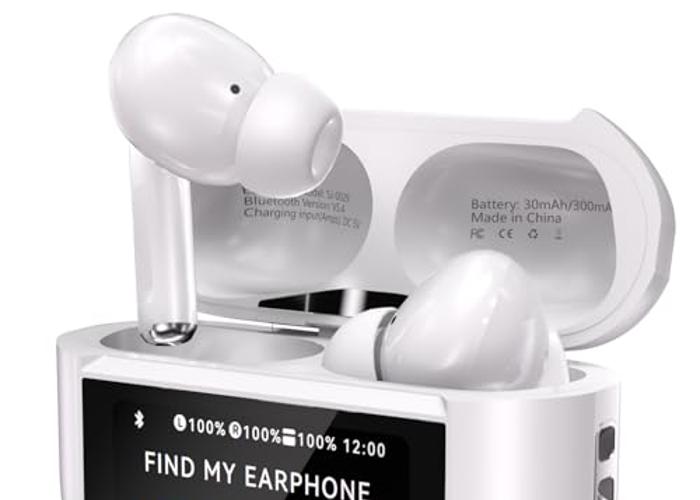
1. Smartbuds Bluetooth 5.4 Transparency Mode 98% Active Noise Cancelling Reduction TWS Earphone Earbuds with Smart Touch Screen Case ENC Mic Clear Call Equalizer for iPhone Samsung Android

Rating: 8.9/10
Introducing the Smartbuds Bluetooth 5.4, a game-changer in wireless audio technology. These earbuds offer a blend of advanced features and user-friendly design, making them a top pick for music lovers and busy individuals alike. The standout feature is the charging case with its smart touch screen, putting control right at your fingertips.
What We Like:
- The smart touch screen on the charging case is incredibly convenient. You can control music, adjust volume, switch noise modes, and even set alarms without touching your phone. It feels like something from the future!
- Bluetooth 5.4 provides a super fast and stable connection. Pairing is a breeze, and the earbuds instantly connect when you open the case.
- The sound quality is impressive with 13mm speakers. You get clear highs, balanced mids, and deep bass. Plus, the five EQ modes let you customize your listening experience.
- Active Noise Cancellation (ANC) works wonders, blocking out distracting sounds. The Transparency Mode is a lifesaver for staying aware of your surroundings.
- ENC microphones ensure your calls are crystal clear. Background noise is minimized, so your voice comes through loud and clear.
What Could Be Improved:
- While the touch screen is cool, it might take a little getting used to for some users.
- The 98% ANC claim is very high, and while it’s effective, real-world results can vary depending on the type of noise.
These Smartbuds are an excellent choice for anyone seeking a premium audio experience with smart, intuitive controls. They deliver on sound, convenience, and call quality.
Mastering Your iPhone’s Sound: The Ultimate Equalizer Settings Guide
Your iPhone can sound amazing, but sometimes the default settings aren’t perfect for every song or situation. That’s where equalizer (EQ) settings come in! Think of an EQ like a sound sculptor. It lets you adjust the bass, treble, and mid-tones to make your music richer, clearer, or more powerful. This guide will help you find the best EQ settings for your iPhone.
Why Bother with EQ Settings?
Music sounds different depending on the genre, the quality of the recording, and even your headphones. A booming rock song might need more bass, while a podcast might sound better with clearer vocals. EQ settings let you fine-tune the audio to your liking.
Key Features to Look For
When you’re exploring EQ settings on your iPhone, keep these in mind:
- Pre-set EQs: Your iPhone comes with several built-in EQ presets. These are like quick fixes for common sound profiles. Look for options like “Bass Booster,” “Treble Booster,” “Vocal Booster,” or genre-specific ones like “Rock” or “Pop.”
- Custom EQ: For ultimate control, a custom EQ is essential. This lets you adjust individual frequency bands yourself. You’ll see sliders for different tones, usually labeled as bass, mid, and treble.
- App Compatibility: Some music apps have their own built-in EQs that can work alongside or override your iPhone’s system EQ. Check if your favorite music app offers this feature.
Important Materials (Not Applicable for Software Settings)
Since EQ settings are software features within your iPhone, there aren’t physical “materials” to consider. The “material” in this case is the audio quality of the music you’re listening to and the quality of your headphones or speakers.
Factors That Improve or Reduce Quality
- Improving Quality:
- Good Source Audio: High-quality music files (like lossless audio) will always sound better, no matter the EQ.
- Quality Headphones/Speakers: Your audio equipment plays a huge role. Even the best EQ can’t fix terrible headphones.
- Experimentation: Don’t be afraid to play around! Trying different EQ settings is the best way to discover what sounds good to you.
- Reducing Quality:
- Over-boosting Frequencies: Pushing bass or treble too high can make music sound muddy, distorted, or tinny. Less is often more.
- Ignoring the Source: Trying to EQ a poorly recorded track to perfection is a losing battle.
- Using the Wrong Preset: A “Bass Booster” on a delicate classical piece might sound awful.
User Experience and Use Cases
Using EQ settings on your iPhone is generally straightforward. You’ll find them in:
- Settings > Music > EQ: This is where you access the iPhone’s system-wide EQ.
- Third-Party Music Apps: Many apps like Spotify or Apple Music have their own EQ controls within the app.
Common Use Cases:
- Making Podcasts Clearer: If voices sound muffled, try boosting the mid-range frequencies or using a “Vocal Booster” preset.
- Enhancing Bass in Electronic Music: For genres like hip-hop or EDM, a “Bass Booster” or manually increasing the lower frequencies can add punch.
- Adding Sparkle to Vocals: If vocals sound a bit dull, try a slight boost in the higher frequencies.
- Balancing Different Genres: You might want a different EQ for your workout playlist than for your chill-out mix.
10 Frequently Asked Questions About iPhone Equalizer Settings
Q: Where do I find the EQ settings on my iPhone?
A: You can find them in Settings > Music > EQ.
Q: What are the different EQ presets?
A: Your iPhone offers presets like Bass Booster, Treble Booster, Vocal Booster, Rock, Pop, and more.
Q: Can I create my own EQ settings?
A: Yes, you can use the “Custom” EQ option to adjust specific frequency bands.
Q: Will EQ settings work for all my audio?
A: They work for music played through the Music app and many other audio apps. Some apps have their own EQs.
Q: How do I make my music sound louder with EQ?
A: While EQ can change the *perceived* loudness by boosting certain frequencies, it’s not a true volume control.
Q: My music sounds distorted after using EQ. What did I do wrong?
A: You might have boosted certain frequencies too much. Try reducing the levels or starting with a preset.
Q: Are there EQ settings for AirPods or other headphones?
A: EQ settings on your iPhone affect the audio sent to any connected headphones or speakers.
Q: Can I use EQ for phone calls?
A: No, EQ settings are for music and media playback, not phone calls.
Q: How do I reset my EQ settings?
A: In the EQ menu, select “Off” to turn off the equalizer.
Q: Should I always use an EQ?
A: Not necessarily! Many people enjoy their music with the default settings. EQ is for when you want to personalize your sound.
In conclusion, every product has unique features and benefits. We hope this review helps you decide if it meets your needs. An informed choice ensures the best experience.
If you have any questions or feedback, please share them in the comments. Your input helps everyone. Thank you for reading.