
Yes, a car window can break on its own, though it’s a rare occurrence. Several factors can contribute to this phenomenon, which is often referred to as auto glass spontaneously cracking. These events can be alarming and confusing for car owners.
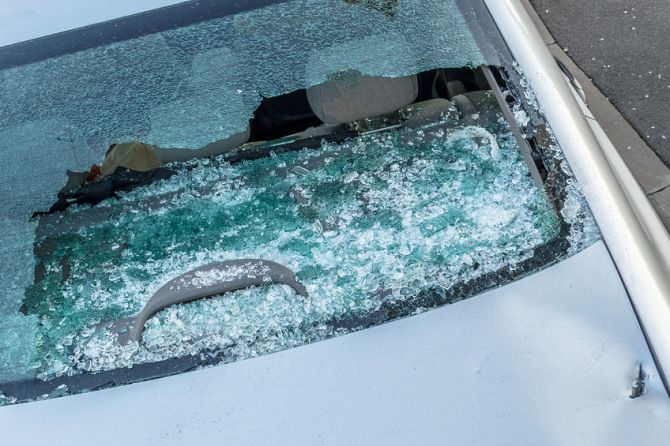
Image Source: only1autoglass.com
The Science Behind Spontaneous Glass Breakage
Car windows, especially side and rear windows, are typically made of tempered glass. This type of glass is designed to be strong but also to shatter into small, relatively harmless pieces when broken. Windshields, on the other hand, are made of laminated glass, which consists of two layers of glass with a plastic layer in between. This makes them much more resistant to shattering.
Tempered Glass Spontaneous Breakage: Why It Happens
The concept of tempered glass spontaneous breakage might seem counterintuitive, as tempering is a process meant to strengthen glass. However, during the tempering process, a thin layer of compressive stress is created on the surface of the glass, while the interior remains under tensile stress. This internal stress is what causes tempered glass to break into small, safe pieces when it does shatter.
In rare cases, imperfections can be present within the glass itself. The most common culprit is a small inclusion of nickel sulfide. When the glass is heated and cooled during the tempering process, these nickel sulfide particles can get trapped. Over time, and with changes in temperature, these particles can undergo a phase change, expanding and creating enough internal stress to cause the glass to fracture. This is often the primary cause of auto glass spontaneously cracking.
Laminated Glass Delamination: A Different Kind of Failure
While less prone to spontaneous breakage than tempered glass, laminated glass can experience a different type of failure: laminated glass delamination. This occurs when the plastic interlayer between the two glass layers begins to separate from the glass. This is usually caused by prolonged exposure to UV radiation, moisture, or poor adhesion during manufacturing. While delamination doesn’t typically cause the glass to shatter, it can impair visibility and compromise the structural integrity of the windshield.
Common Factors Leading to Car Window Stress and Cracks
Beyond inherent material flaws, external forces play a significant role in car window damage. These forces can build up over time, leading to what might appear as spontaneous breakage.
Car Windshield Stress Fracture: The Invisible Threat
A car windshield stress fracture can develop due to various environmental and structural factors. Even without a direct impact, a windshield can be subjected to immense pressure.
Thermal Shock and Expansion Cracking
One of the most common contributors to stress is temperature fluctuation. Vehicle window thermal shock occurs when there’s a rapid change in temperature. For instance, pouring hot water on a frozen windshield or parking a very hot car in a cold, shaded area can create extreme temperature gradients across the glass.
This rapid heating or cooling causes the glass to expand or contract unevenly. The outer layers might cool or heat faster than the inner layers, creating stress. Over time, this stress can build up. If the glass already has a minor imperfection, such as a tiny chip or a flaw from the manufacturing process, this stress can exacerbate it, leading to car window expansion cracking.
Road Vibrations and Vehicle Stress
The constant vibrations and flexing of a vehicle’s body while driving can also put stress on the windows. A car’s frame is not entirely rigid; it twists and bends to some degree, especially over rough terrain or during aggressive driving. This flexing transfers pressure to the window seals and the edges of the glass.
When the window is not perfectly seated, or if the seals are aging and less flexible, this pressure can concentrate at certain car window stress points. Over many years, these concentrated pressures can contribute to the development of small cracks that may eventually spread.
Improper Installation and Sealing
A poorly installed windshield or window can be a major source of stress. If the glass is not bonded correctly to the vehicle frame, or if the sealant is uneven, it can create high-pressure areas. The frame might flex during driving, and without proper support and even pressure distribution from the sealant, the glass can experience significant strain. This can lead to auto glass spontaneously cracking or developing stress fractures over time.
The Role of Minor Impacts: Chip Propagation
While not strictly “spontaneous,” many people perceive a crack as appearing out of nowhere when it’s actually a progression from a minor impact. An auto glass impact damage, such as a small stone hitting the windshield at high speed, can create a tiny chip or pit in the glass.
Initially, this chip might be barely visible. However, it creates a weak point in the glass structure. Various environmental factors, such as temperature changes (leading to car window expansion cracking), vibrations, or even minor impacts from debris, can cause this chip to grow. This process is known as car window chip propagation. What starts as a small chip can, over days, weeks, or even months, turn into a long, spreading crack, leading the owner to believe the window broke on its own.
Factors Influencing Chip Propagation:
- Temperature Fluctuations: Expansion and contraction of the glass around the chip.
- Road Vibrations: Constant shaking that stresses the weakened area.
- Washing the Car: High-pressure water spray can exacerbate the crack.
- Internal Defrosters/Heaters: Similar to thermal shock, rapid temperature changes on the glass.
- Humidity: Can sometimes affect the bond of the glass and any sealants.
Automobile Glass Fatigue Failure: The Cumulative Effect
Over the lifespan of a vehicle, its glass components are subjected to a multitude of stresses. Similar to how metal can fatigue after repeated bending, glass can also experience a form of automobile glass fatigue failure. This is a slow degradation of the material’s strength due to cyclic stresses over a long period.
The constant flexing of the car body, temperature variations, and minor impacts all contribute to this cumulative stress. While individual stresses might be too small to cause immediate damage, their repeated application can weaken the glass over years, making it more susceptible to breaking, especially if there are pre-existing microscopic flaws.
Distinguishing Between Types of Glass Breakage
It’s important to differentiate between types of car window breaks because they have different causes and implications.
Tempered vs. Laminated Glass Behavior
| Feature | Tempered Glass (Side/Rear Windows) | Laminated Glass (Windshields) |
|---|---|---|
| Primary Use | Side and rear windows | Windshields |
| Breakage Pattern | Shatters into small, blunt pieces. | Cracks or spiders, but the plastic interlayer holds pieces together. |
| Spontaneous Breakage Cause | Internal defects (e.g., nickel sulfide inclusions), thermal shock. | Delamination due to UV, moisture, poor adhesion. Less prone to spontaneous shattering. |
| Chip Propagation | Chips can spread, but breakage is typically into many pieces. | Chips and cracks spread, but the glass generally remains intact due to the interlayer. |
| Repairability | Generally not repairable once a crack or significant chip occurs. | Small chips and cracks can often be repaired by injecting resin. |
When to Seek Professional Inspection
If you notice any cracks, chips, or unusual patterns on your car windows, it’s crucial to have them inspected by a qualified auto glass technician.
Identifying Early Signs of Trouble
- Spiderwebbing: A pattern of cracks radiating from a central point.
- Star Breaks: A circular impact point with radiating cracks.
- Bullseyes: A circular pit with a ring around it.
- Long Cracks: Cracks that extend more than a few inches, often starting from a chip.
- Edge Cracks: Cracks originating from the very edge of the glass.
Even if a crack appears small, it can compromise the structural integrity of the vehicle. A damaged windshield, for instance, can be up to 30% weaker than an undamaged one. This is critical for airbag deployment, as the windshield often serves as a backstop for the passenger-side airbag.
The Importance of Prompt Repair
Ignoring a small chip or crack can lead to more significant damage. Factors like moisture getting into the crack, freezing and thawing cycles, or even the stress from closing a door can cause the damage to spread rapidly.
Frequently Asked Questions (FAQ)
Q1: Can a car window break from extreme cold?
A1: Yes, extreme cold can contribute to spontaneous breakage, especially if the glass has pre-existing flaws or if there are rapid temperature changes involved. This falls under the umbrella of vehicle window thermal shock.
Q2: What is the most common reason for a car window to crack without being hit?
A2: The most common reasons are temperature fluctuations causing car window expansion cracking, and microscopic defects within the glass itself (particularly nickel sulfide inclusions in tempered glass), leading to auto glass spontaneously cracking.
Q3: Does temperature change cause windshield cracks?
A3: Yes, significant and rapid temperature changes can induce stress in the glass, leading to car windshield stress fracture, especially if the windshield already has a chip or imperfection.
Q4: My car window just cracked overnight. What could have happened?
A4: This could be due to a combination of factors: overnight temperature drops causing expansion and contraction, road vibrations from passing traffic, or a pre-existing tiny chip that finally propagated due to cumulative stress, a phenomenon related to automobile glass fatigue failure.
Q5: Is it safe to drive with a cracked windshield?
A5: It is generally not recommended. A cracked windshield can impair your vision, and its structural integrity is compromised, which can affect safety systems like airbags. It’s best to get it repaired or replaced as soon as possible.
Q6: Can a car window break due to vibrations from music?
A6: While extreme vibrations from very loud music could theoretically contribute to stress on a compromised window, it’s highly unlikely to be the sole cause of a car window breaking on its own. More significant factors like temperature changes and material defects are usually involved.
In conclusion, while it might seem like a car window can break “on its own,” there are almost always underlying contributing factors. These range from microscopic manufacturing defects and the cumulative effects of environmental stresses like temperature changes and vibrations, to the propagation of pre-existing minor damage. Prompt inspection and repair are key to maintaining your vehicle’s safety and structural integrity.