
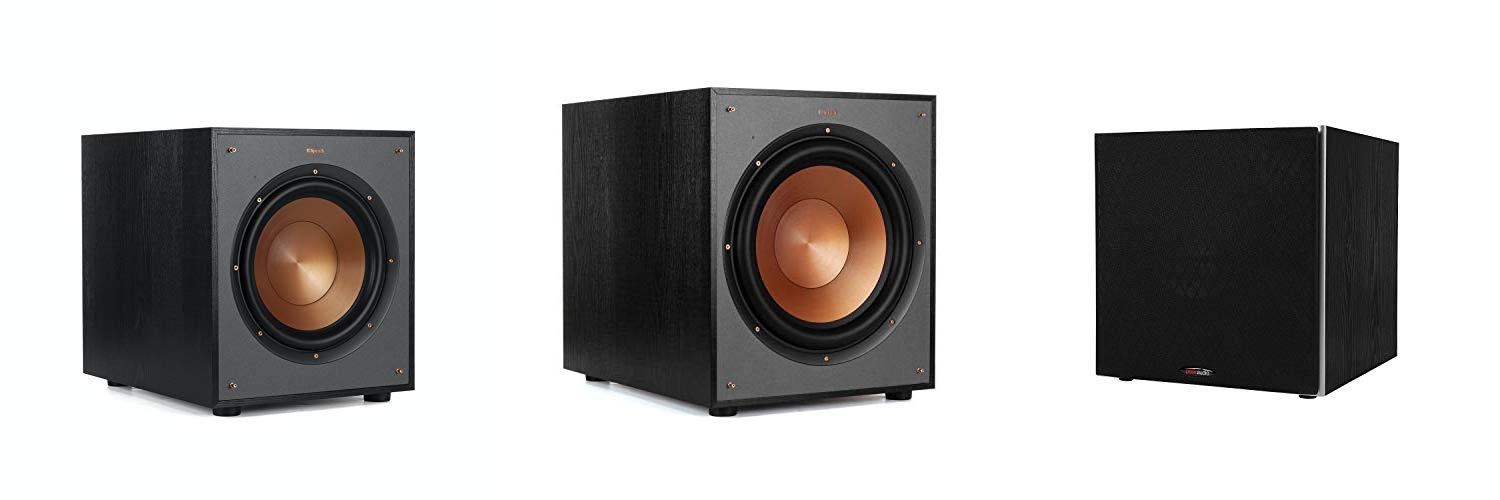
Have you ever felt like your music or movies were missing something? That the sound was just okay, but not truly exciting? Often, that missing piece is a powerful, rumbling bass. This is where a home stereo subwoofer comes in. It’s the unsung hero that adds depth and feeling to your audio experience, making explosions boom and music throb right in your chest.
But picking the perfect subwoofer can feel like navigating a maze. There are so many sizes, shapes, and technical terms that it’s easy to get confused. Do you need a big one or a small one? What does “frequency response” even mean? These questions can make choosing the right one a real headache, leaving you with sound that’s not quite what you dreamed of.
This post is here to help you cut through the confusion. We’ll break down what makes a great subwoofer and explain the important features in a way that’s easy to understand. By the end, you’ll know exactly what to look for to find a subwoofer that will transform your home audio and bring your favorite sounds to life.
Our Top 5 Home Stereo Subwoofer Recommendations at a Glance
Top 5 Home Stereo Subwoofer Detailed Reviews
1. Klipsch R-100SW 10″ Subwoofer

Rating: 9.4/10
The Klipsch R-100SW is a 10-inch subwoofer that brings powerful, deep bass to your home theater or music setup. Its front-firing spun-copper woofer is designed to move a lot of air, creating a truly immersive sound experience. The all-digital amplifier provides plenty of power to fill your room with rich, impactful low frequencies. This subwoofer is built to be compatible with most home theater receivers, making it an easy addition to your existing system.
What We Like:
- The 10″ spun-copper woofer delivers incredibly deep and punchy bass.
- The all-digital amplifier offers a strong 300 watts of peak power for a dynamic sound.
- Easy-to-use controls for volume, low-pass crossover, and phase adjustment help you fine-tune the sound.
- Line level LFE RCA inputs ensure broad compatibility with various receivers.
- Auto power on/off feature is convenient and saves energy.
What Could Be Improved:
- The 32Hz minimum frequency response, while good, might not satisfy extreme bass enthusiasts seeking the absolute lowest notes.
- The unit’s dimensions (14.5″ x 12.5″ x 16.4″) might require careful placement in smaller rooms.
For its price, the Klipsch R-100SW offers impressive bass performance and build quality. It’s a fantastic option for anyone looking to enhance their audio system with powerful, room-shaking lows.
2. Klipsch R-120SW Subwoofer

Rating: 9.0/10
The Klipsch R-120SW Subwoofer in sleek black delivers powerful bass that will make your movies and music truly come alive. Its 12-inch spun-copper woofer is designed for deep, rumbling low frequencies. This subwoofer is built to impress with its solid construction and impressive sound output.
What We Like:
- The 12-inch spun-copper woofer creates deep, impactful bass.
- It reaches down to a low 29 Hz, so you can feel the lowest notes.
- The 400-watt peak power means it can get loud and fill a room.
- It can produce a maximum of 116dB, which is very loud for its size.
- The rear-firing port helps boost the bass output even further.
- It comes with a grill to protect the woofer and a power cord.
What Could Be Improved:
- The amplifier power is 200 watts continuous, which might not be enough for extremely large rooms.
- While it has a wide frequency range, some audiophiles might prefer even deeper extension.
Overall, the Klipsch R-120SW is a fantastic choice for anyone wanting to add serious bass to their home theater or music setup without breaking the bank. It offers a great balance of power, performance, and Klipsch’s signature sound.
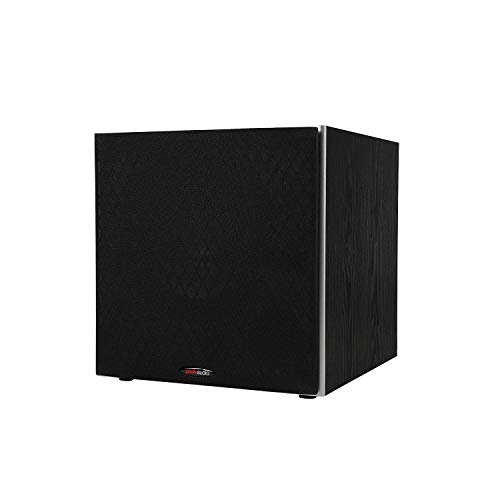
3. Polk Audio PSW10 10″ Powered Subwoofer Home Audio – Power Port Tech
Rating: 8.8/10
Ready to feel the rumble? The Polk Audio PSW10 10″ Powered Subwoofer is here to blast your home audio experience into a new dimension. This compact powerhouse packs a serious punch, delivering deep, accurate bass that makes movies more exciting and music more alive. It’s designed to fit right into your existing home theater setup, and it’s especially friendly with Polk’s Monitor and T-Series speakers.
What We Like:
- It gives you extra bass and punch for your music and movies.
- The 10-inch woofer and Power Port technology create rich, deep sound.
- It’s loud and clear, even when you crank it up.
- The 100-watt amplifier provides plenty of power without distortion.
- It’s built with strong materials for long-lasting use.
- Setting it up with your current system is super easy.
- It has flexible connections, including speaker and line-level inputs.
- The sleek design with a detachable grille looks good in any room.
What Could Be Improved:
- This subwoofer is not waterproof, so keep it away from moisture.
For anyone looking to add serious depth and excitement to their sound system without breaking the bank or taking up too much space, this Polk Audio subwoofer is a fantastic choice.
4. Rockville Rock Shaker 6.5 Black 200W Peak/100W RMS Powered Home Theater Subwoofer

Rating: 8.8/10
The Rockville Rock Shaker 6.5 is a powerful subwoofer that brings your movies, music, and games to life. It’s designed to fit into your home theater setup without taking up too much space.
What We Like:
- Deep Bass Performance: It pumps out 200 watts of peak power, giving you really strong, low sounds. You’ll feel the rumble during action scenes and enjoy the full sound of your favorite songs.
- Customizable Audio: You can adjust the crossover and phase settings. This means you can fine-tune the bass to sound just right with your other speakers and your room.
- Versatile Connectivity: It connects easily to your receiver or amplifier. You can use RCA or speaker-level inputs, making setup simple.
- Compact and Stylish: This subwoofer looks good. Its black finish and small size mean it won’t be an eyesore. It fits nicely into any living room.
- High-Quality Build: It uses a Class-D amplifier for clear sound. The woofer is built to last and deliver distortion-free bass.
What Could Be Improved:
- While it offers deep bass, for truly earth-shattering low frequencies, a larger woofer might be preferred by some audiophiles.
- The 4-ohm impedance is standard, but some users might prefer a subwoofer with more impedance options for specific system matching.
The Rockville Rock Shaker 6.5 is a great way to add powerful bass to your home audio. It offers a good balance of performance and size for most users.
5. Klipsch R-12SW Powerful Deep Bass Front Firing 12″ Copper-Spun Driver 400W Digital Power Subwoofer 14″ X 18.5″ X 16″

Rating: 9.2/10
Get ready to feel the rumble! The Klipsch R-12SW subwoofer is here to shake up your home theater experience. This powerhouse packs a serious punch with its 12-inch copper-spun woofer, designed to deliver incredibly deep and powerful bass. Whether you’re watching the latest action movie or listening to your favorite music, this subwoofer makes every sound come alive.
What We Like:
- It has a big 12-inch woofer that makes the bass really deep and strong.
- The 400-watt digital amplifier gives it a lot of power for movies and music.
- It looks good with its black cabinet and a nice base.
- You can easily connect it to your sound system using different inputs.
- It helps you control the sound with knobs for the crossover and phase.
What Could Be Improved:
- It’s a bit on the larger side, so make sure you have space for it.
- While it’s powerful, some might want even more earth-shattering bass for very large rooms.
This Klipsch subwoofer is a fantastic addition for anyone looking to upgrade their audio. It brings a noticeable improvement to both movies and music, making your entertainment truly immersive.
Your Guide to a Home Stereo Subwoofer: Feel the Boom!
Are you ready to make your music and movies truly come alive? A home stereo subwoofer adds that deep, rumbling bass that you can feel in your chest. It’s the secret ingredient to an immersive sound experience. But with so many options, how do you pick the right one? This guide will help you find the perfect subwoofer for your home.
1. Key Features to Look For
When you’re shopping for a subwoofer, keep these important features in mind:
- Driver Size: This is the speaker cone that makes the bass sound. Bigger drivers (like 10-inch, 12-inch, or even 15-inch) generally produce deeper and more powerful bass. Smaller drivers (8-inch) are good for smaller rooms or if you don’t need earth-shattering bass.
- Power (Watts): This tells you how loud the subwoofer can get. More watts usually mean more volume and cleaner bass at higher levels. For most living rooms, 100-300 watts is a good starting point.
- Frequency Response: This shows the range of bass frequencies the subwoofer can reproduce. Look for a low number (like 20Hz) to ensure it can hit those really deep notes. A wider range means more detailed bass.
- Enclosure Type: Subwoofers come in different box designs.
- Sealed: These boxes are airtight. They offer tight, accurate bass and are often smaller. They might not go as deep as ported subs.
- Ported (or Vented): These boxes have a hole (port) that lets air escape. This design usually makes the subwoofer louder and reach lower frequencies. However, the bass might be less precise.
- Connectivity: How will you connect the subwoofer to your stereo system? Most subwoofers have RCA inputs. Some also offer speaker-level inputs, which are useful if your stereo doesn’t have a dedicated subwoofer output.
2. Important Materials
The materials used in a subwoofer affect its sound and durability.
- Driver Cone Material: The cone moves to create sound. Common materials include paper, polypropylene, and composite materials.
- Cabinet Material: The box itself is usually made of MDF (Medium-Density Fiberboard). This material is dense and helps prevent vibrations that can color the sound.
3. Factors That Improve or Reduce Quality
Several things make a subwoofer sound great or not so great.
- Build Quality: A well-built subwoofer cabinet reduces unwanted vibrations. A sturdy box makes the bass sound cleaner and more focused.
- Amplifier Quality: The amplifier inside the subwoofer powers the driver. A good amplifier delivers clean power, meaning the bass sounds clear even when loud. A weak amplifier can make bass sound muddy or distorted.
- Port Design (for Ported Subs): The size and shape of the port matter. A poorly designed port can create “chuffing” sounds or limit bass output.
- Room Acoustics: How your room is set up also affects bass. Hard surfaces can cause bass to bounce around, making it sound boomy. Soft furnishings can absorb bass.
4. User Experience and Use Cases
Think about how you’ll use your subwoofer.
- Movies: If you love action movies with explosions and car chases, you’ll want a subwoofer that can deliver powerful, impactful bass. A ported subwoofer with a larger driver might be ideal here.
- Music: For music lovers, especially those who enjoy genres with strong bass lines like hip-hop, electronic music, or rock, a subwoofer can add incredible depth. Tight, accurate bass is important for music. A sealed subwoofer might offer a more refined sound.
- Gaming: Gamers can benefit from subwoofers that add rumble and impact to in-game events. Feeling the rumble of an explosion or the thud of footsteps enhances the gaming experience.
- Small vs. Large Rooms: A small room might not need a huge, powerful subwoofer. A smaller driver and less power might be perfect. A large room will benefit from a more powerful subwoofer with a larger driver to fill the space with sound.
Choosing the right subwoofer is about matching its features to your listening habits and your room. With this guide, you’re ready to find a subwoofer that will make your home stereo sing – or rather, rumble!
Frequently Asked Questions (FAQ)
Q: What is the most important feature of a subwoofer?
A: The driver size and power are very important. They help determine how deep and loud the bass will be.
Q: Do I need a subwoofer if I have good speakers?
A: Yes, even good speakers often can’t produce the deepest bass frequencies. A subwoofer fills in those low notes for a fuller sound.
Q: How big should my subwoofer be?
A: For smaller rooms, an 8-inch or 10-inch driver is usually enough. For larger rooms or more powerful bass, a 12-inch or 15-inch driver is better.
Q: What does “Hz” mean on a subwoofer?
A: Hz stands for Hertz. It measures how low the subwoofer can go in terms of bass frequency. A lower number means deeper bass.
Q: Can I connect any subwoofer to my stereo?
A: You need to check your stereo’s connections. Most modern stereos have a subwoofer output, but older ones might require a subwoofer with speaker-level inputs.
Q: What is the difference between sealed and ported subwoofers?
A: Sealed subwoofers give tighter, more accurate bass. Ported subwoofers usually go deeper and are louder, but the bass might be less precise.
Q: How much power (watts) do I need?
A: For most home use, 100-300 watts is a good range. More watts mean more volume and cleaner bass at higher levels.
Q: Will a subwoofer make my music sound better?
A: Yes, it adds richness and depth to music, especially genres with strong bass lines.
Q: Can I place my subwoofer anywhere?
A: Placement matters! Experimenting with different spots in your room can significantly improve the bass response.
Q: Are expensive subwoofers always better?
A: Not always. A well-designed, moderately priced subwoofer can sound better than a poorly made expensive one. Focus on the features and materials.
In conclusion, every product has unique features and benefits. We hope this review helps you decide if it meets your needs. An informed choice ensures the best experience.
If you have any questions or feedback, please share them in the comments. Your input helps everyone. Thank you for reading.