
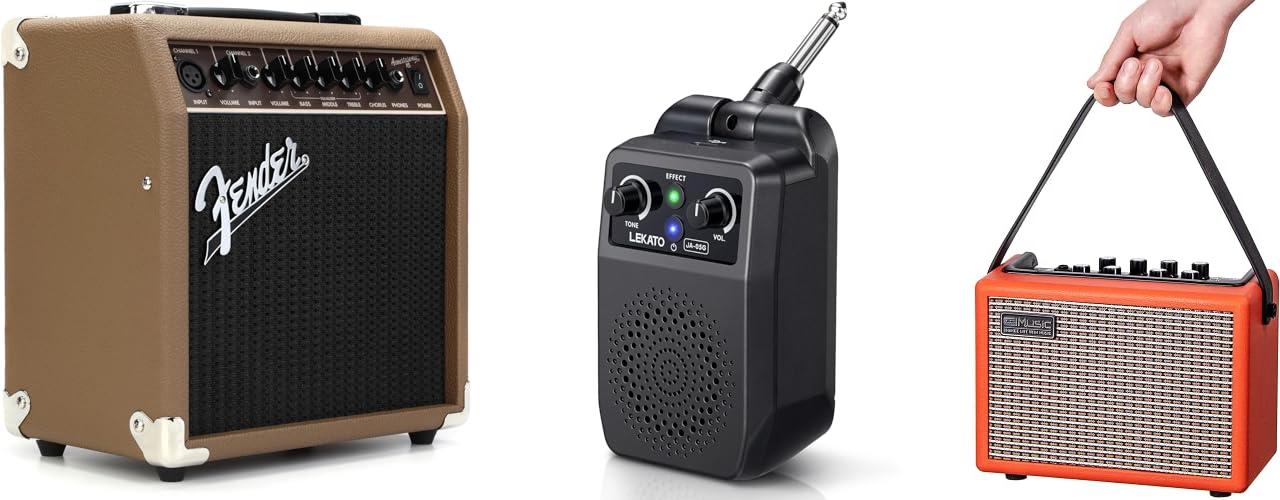
Imagine your favorite song, played perfectly. Now, picture yourself making that beautiful sound come alive. That’s the magic an acoustic-electric amplifier can bring to your music. But when you start looking, it feels like a giant puzzle with too many pieces. How do you pick the one that makes your guitar sing without sounding buzzy or weak? It’s tough to know where to start.
Many musicians feel lost when it’s time to buy an amplifier for their acoustic-electric guitar. You want to hear every note clearly, whether you’re practicing at home or playing for friends. But the world of amps is full of confusing terms and features. This can make you feel unsure if you’re getting the best sound for your money. You want an amp that truly captures the warm, natural tone of your instrument.
This post is here to help you cut through the confusion. We’ll break down what makes a great acoustic-electric amplifier. You’ll learn what to look for so you can find an amp that makes your music sound its absolute best. Get ready to discover how to choose an amp that fits your needs and budget, so you can focus on what you do best – playing!
Our Top 5 Acoustic Electric Amplifier Recommendations at a Glance
| Image | Product | Rating | Links |
|---|---|---|---|
 |
Fender Acoustasonic Guitar Amp for Acoustic Guitar | 8.7/10 | Check Price |
 |
LEKATO Mini Electric Guitar Amp 5W | 9.0/10 | Check Price |
 |
Acoustic/Electric Guitar Amplifier | 8.5/10 | Check Price |
 |
Flatsons FBA-10 Guitar Amp | 9.2/10 | Check Price |
 |
Yuer BA-10Pro 10W Acoustic Guitar Amp | 8.6/10 | Check Price |
Top 5 Acoustic Electric Amplifier Detailed Reviews
1. Fender Acoustasonic Guitar Amp for Acoustic Guitar
Rating: 8.6/10
The Fender Acoustasonic 15 is a compact and powerful amplifier designed for acoustic guitarists. Its tan finish and vintage look make it a stylish addition to any practice space. This amp packs 15 watts of power, perfect for small gigs or just jamming at home. It’s also surprisingly lightweight, making it easy to carry around.
-
What We Like:
- The dual front-panel inputs are super handy. You can plug in your guitar and a microphone at the same time. This is great for singers who also play guitar.
- The “whizzer” cone on the 6-inch speaker is a neat feature. It adds extra sparkle to your acoustic guitar’s sound, making it sound brighter and clearer.
- It’s really easy to move around. The size is just right for taking it to a friend’s house or a small performance.
- The headphone output is a lifesaver for late-night practice. You can play as loud as you want without bothering anyone.
- Fender backs this amp with a 2-year limited warranty. This shows they believe in its quality and durability.
-
What Could Be Improved:
- For louder gigs or larger rooms, 15 watts might not be enough. You may need a bigger amp for those situations.
- While the speaker is good for its size, some players might want a bit more bass response or a fuller tone.
Overall, the Fender Acoustasonic 15 is a solid choice for any acoustic guitarist looking for a portable and versatile amplifier. Its thoughtful features and Fender’s reputation make it a reliable companion for your musical journey.
2. LEKATO Mini Electric Guitar Amp 5W
Rating: 9.0/10
The LEKATO Mini Electric Guitar Amp 5W is a fantastic little practice partner for any guitarist on the go. It packs a punch with its built-in effects and Bluetooth capabilities, making your practice sessions more fun and versatile.
What We Like:
- It’s super compact and lightweight, so you can easily toss it in your backpack and take it anywhere.
- You get four cool built-in effects: clean, distortion, overdrive, and reverb, which are perfect for trying out different sounds.
- The Bluetooth function lets you play along with your favorite songs from your phone, making practice feel like a jam session.
- It’s rechargeable, giving you about 6 hours of playtime on a single charge, so you don’t need to worry about batteries or finding an outlet.
- The plug-and-play design is really simple; just plug it into your guitar and you’re ready to go.
- It’s small enough to even hang on your guitar!
What Could Be Improved:
- While it’s great for practice, the 5W speaker might not be loud enough for playing with a full band.
- The Bluetooth feature works for music playback, but it doesn’t connect to Bluetooth headphones or speakers.
- You need to be careful with the charger; only use a 5V 2A charger to avoid damaging the amp.
This LEKATO amp is a fun and convenient tool for practicing your guitar skills wherever you are. It’s a great option for beginners and experienced players looking for a portable sound solution.
3. Acoustic/Electric Guitar Amplifier
Rating: 9.3/10
Ready to rock out anywhere, anytime? This 15-watt orange acoustic/electric guitar amplifier is your new best friend. It’s small but mighty, packing a punch with explosive sound. Plus, it has a sweet reverb effect for your acoustic tunes and a distortion effect for your electric guitar. You can even plug in your phone or iPad to play along with your favorite songs. It’s built tough with a cool wooden shell and a strap, making it super easy to take on adventures. And don’t worry about batteries; it runs for hours on a single charge or can be plugged in.
What We Like:
- Powerful 15-watt sound in a tiny package.
- Three inputs: electric guitar (with distortion!), acoustic guitar (with reverb!), and AUX for backing tracks.
- Bluetooth connectivity lets you play along with music from your phone or tablet.
- Super portable design with a wooden shell and a handy strap for easy travel.
- Long battery life (5-8 hours) after a 5-hour charge, plus you can plug it in.
- Comes with a 3-year warranty for peace of mind.
- The bright orange color looks cool.
What Could Be Improved:
- Some users might want more powerful amplification for larger gigs.
- The 5-hour charge time could be a bit long if you need it quickly.
This amp is a fantastic choice for any guitarist who loves to play on the go. It offers great sound and fun features in a compact and stylish package.
4. Flatsons FBA-10 Guitar Amp
Rating: 9.0/10
The Flatsons FBA-10 Guitar Amp is a compact, 10W mini electric guitar amplifier designed for practice and portability. It features a clean and drive channel, long working hours, USB-C charging, and headphone/AUX jacks. This amp is perfect for playing at home, traveling, or even jamming on the street.
What We Like:
- Pure analog technology delivers clear, natural sound with a wide frequency response.
- Dual tone modes (CLEAN/DRIVE) let you easily switch between different guitar sounds.
- GAIN and TONE controls allow you to fine-tune your guitar’s voice.
- 3.5mm headphone jack is great for quiet practice sessions.
- AUX input lets you play along with music from other devices.
- Wireless audio streaming via Bluetooth 5.3 is convenient.
- Compact and lightweight design makes it easy to take anywhere.
- USB-C rechargeable battery provides up to 6 hours of playtime.
- The vintage-inspired woven grille looks stylish and improves sound.
- Flatsons offers expert support, a 12-month guarantee, and 24/7 customer service for peace of mind.
What Could Be Improved:
- A slight buzzing or hissing on the Drive channel is normal but can be more noticeable when the battery is low or while charging.
This amp offers a great balance of sound quality, features, and portability. It’s a fantastic choice for guitarists who want to practice anywhere, anytime.
5. Yuer BA-10Pro 10W Acoustic Guitar Amp
Rating: 9.3/10
The Yuer BA-10Pro is a super handy 10W portable amplifier. It’s designed for both guitar and vocals, making it great for singers who also play guitar. You can take it almost anywhere, and it even has cool effects built-in!
What We Like:
- You can plug in both a guitar and a microphone at the same time.
- It has awesome built-in reverb for vocals and delay for guitar, which sound really good.
- The vocal cut feature helps you sing better by reducing the original vocal track.
- You can easily record your playing and singing directly to your phone or laptop using the OTG function.
- It connects wirelessly to your phone or tablet via Bluetooth, so you can play along with music.
- It’s small and lightweight, making it easy to carry around.
- The rechargeable battery lasts a good amount of time (4-8 hours).
- It has a headphone jack for quiet practice.
- Yuer offers good customer support and a 12-month guarantee.
What Could Be Improved:
- The black USB-C cable is only for recording, not for charging. You need to use the white one for charging.
- The microphone input only works with dynamic microphones.
This Yuer BA-10Pro amp is a fantastic all-in-one solution for musicians on the go. Its features make it perfect for practicing, performing, or even sharing your music online.
Choosing Your Perfect Acoustic Electric Amplifier
So, you’ve got a beautiful acoustic-electric guitar and you want to make its sound bigger and better for performances, practice, or just jamming with friends. That’s where an acoustic-electric amplifier comes in! Think of it as the voice for your guitar. But with so many options out there, how do you pick the right one? This guide will help you find the amp that’s just right for you.
Key Features to Look For
When you’re shopping for an acoustic-electric amp, keep an eye out for these important features:
- Power Output (Watts): This tells you how loud the amp can get. For small gigs or practice, 30-50 watts is usually enough. For bigger stages or outdoor events, you might need 100 watts or more.
- Number of Channels: Most amps have at least two channels. This is great because you can plug in your guitar on one channel and a microphone on another. This lets you sing and play at the same time!
- EQ Controls: EQ stands for equalization. These knobs help you shape the sound of your guitar. You’ll typically find controls for Bass, Mid, and Treble. These let you boost or cut certain frequencies to make your guitar sound warmer, brighter, or more focused.
- Built-in Effects: Some amps come with cool effects already included, like reverb (which makes your sound echo) or chorus (which makes your sound a bit thicker). These can add a lot of flavor to your playing.
- DI Output: This is a special jack that lets you send your guitar’s signal directly to a soundboard at a venue. This is super handy for live performances.
- Auxiliary Input (Aux In): This lets you plug in a phone or MP3 player to play along with backing tracks or your favorite songs.
- Headphone Jack: Perfect for practicing quietly without disturbing anyone.
Important Materials
The materials used in an amp can affect its sound and durability.
- Cabinet Material: Most acoustic amp cabinets are made of wood, like plywood or MDF. Plywood is generally stronger and sounds better.
- Speaker Cones: The material of the speaker cone (like paper or a special composite) can influence the tone. Paper cones often give a warmer sound, while others can offer more clarity.
Factors That Improve or Reduce Quality
- Good Speakers: High-quality speakers are essential for clear and rich sound. They reproduce the nuances of your acoustic guitar.
- Solid-State vs. Tube: Most acoustic amps are solid-state, which means they use electronic circuits. Tube amps use vacuum tubes and are known for a warm, natural sound, but they are less common for acoustic-electric guitars and can be more expensive.
- Build Quality: A well-built amp will last longer and sound better. Check for sturdy construction and good wiring. Cheaply made amps can sound thin and break easily.
- Feedback Control: Acoustic guitars can sometimes create unwanted feedback (a loud, high-pitched squeal). Good amps have features to help control this.
User Experience and Use Cases
An acoustic-electric amplifier is incredibly versatile.
- For Performers: If you play gigs at coffee shops, small clubs, or outdoor events, an amp is a must-have. It helps your guitar cut through the mix and ensures your audience hears every note.
- For Practice: You can practice at home with your amp, dialing in your perfect tone and even playing along with music.
- For Recording: Some amps can be used to record your guitar directly, giving you a great sound for demos or full productions.
- For Singer-Songwriters: With a mic channel, you can easily amplify both your voice and your guitar for solo performances.
The right acoustic-electric amplifier will bring your music to life. Consider your needs, your budget, and these key features to make a choice you’ll be happy with for years to come!
Frequently Asked Questions (FAQ)
Q: What is the main difference between an acoustic amp and an electric guitar amp?
A: Acoustic amps are designed to reproduce the natural, pure sound of an acoustic guitar. Electric guitar amps are made to color and shape the sound of an electric guitar, often adding distortion. Acoustic amps usually have a flatter frequency response to keep your guitar sounding like itself.
Q: Do I really need a separate amp for my acoustic-electric guitar?
A: Yes, it’s highly recommended! While you *can* plug an acoustic-electric into a regular electric guitar amp, it won’t sound as good. An acoustic amp is built to capture the delicate tones and nuances of an acoustic instrument.
Q: How important is the wattage of an acoustic amp?
A: Wattage determines how loud the amp can get. For small rooms or quiet practice, 30-50 watts is often fine. For playing with a band or in larger venues, you’ll need more power, like 100 watts or higher.
Q: What does “phantom power” mean on an amp?
A: Phantom power is a small amount of voltage sent through an XLR cable to power certain microphones, especially condenser mics. If your amp has a mic channel and the option for phantom power, you can use more sensitive microphones for vocals.
Q: Can I plug my acoustic-electric guitar into a PA system instead of an amp?
A: Yes, you can! Many acoustic amps have a DI output that lets you connect directly to a PA system. This is common for live shows. However, having your own amp gives you more control over your sound on stage.
Q: What are some common problems with acoustic-electric amps?
A: Common issues can include unwanted humming or buzzing noises, feedback, or a thin, weak sound. These can often be fixed by checking cables, adjusting EQ settings, or using the amp’s feedback control features.
Q: How do I set up my acoustic-electric amp?
A: Plug your guitar into the instrument input using a guitar cable. If you have a microphone, plug it into the mic input (usually an XLR jack). Turn the volume up slowly and adjust the EQ and effects to get the sound you want.
Q: What is the purpose of the “voicing” or “tone” switches on some amps?
A: These switches often offer pre-set EQ adjustments designed for different types of acoustic guitars or playing styles. They can quickly change the overall character of your sound.
Q: Are there acoustic amps that are good for both electric and acoustic guitars?
A: While some amps are marketed as “hybrid,” dedicated acoustic-electric amps are usually the best choice for acoustic guitars. They are designed to preserve the natural tone. You can experiment, but don’t expect an acoustic amp to sound like a classic electric guitar amp.
Q: How much should I expect to spend on a good acoustic-electric amplifier?
A: Prices vary widely. You can find decent beginner amps for around $150-$300. Mid-range amps with more features are typically $300-$700, and high-end professional models can cost $700 and up.
In conclusion, every product has unique features and benefits. We hope this review helps you decide if it meets your needs. An informed choice ensures the best experience.
If you have any questions or feedback, please share them in the comments. Your input helps everyone. Thank you for reading.