
Imagine the raw, heartfelt wail of B.B. King’s Lucille or the gritty, overdriven bite of Muddy Waters’ Telecaster. What fuels that soul-stirring sound? It’s not just the guitar; it’s the amplifier. For blues guitarists, the amp is more than just a speaker; it’s a partner in expression, a voice for their emotions.
But finding that perfect blues amp can feel like searching for a lost chord. So many knobs, so many brands, so many different sounds! It’s easy to get lost and frustrated. You want an amp that sings, that responds to your touch, and that has that unmistakable bluesy character. Without the right amp, your solos might sound thin, your chords might lack depth, and that authentic blues feel just won’t come through.
This post is here to help. We’ll cut through the confusion and show you what really matters when picking a blues guitar amplifier. You’ll learn about the key features that make an amp sing the blues, discover how different amps shape your tone, and gain the confidence to choose an amplifier that will truly elevate your playing. Get ready to find the amp that will make your guitar cry, shout, and whisper the blues.
Our Top 5 Blues Guitar Amplifier Recommendations at a Glance
| Image | Product | Rating | Links |
|---|---|---|---|
 |
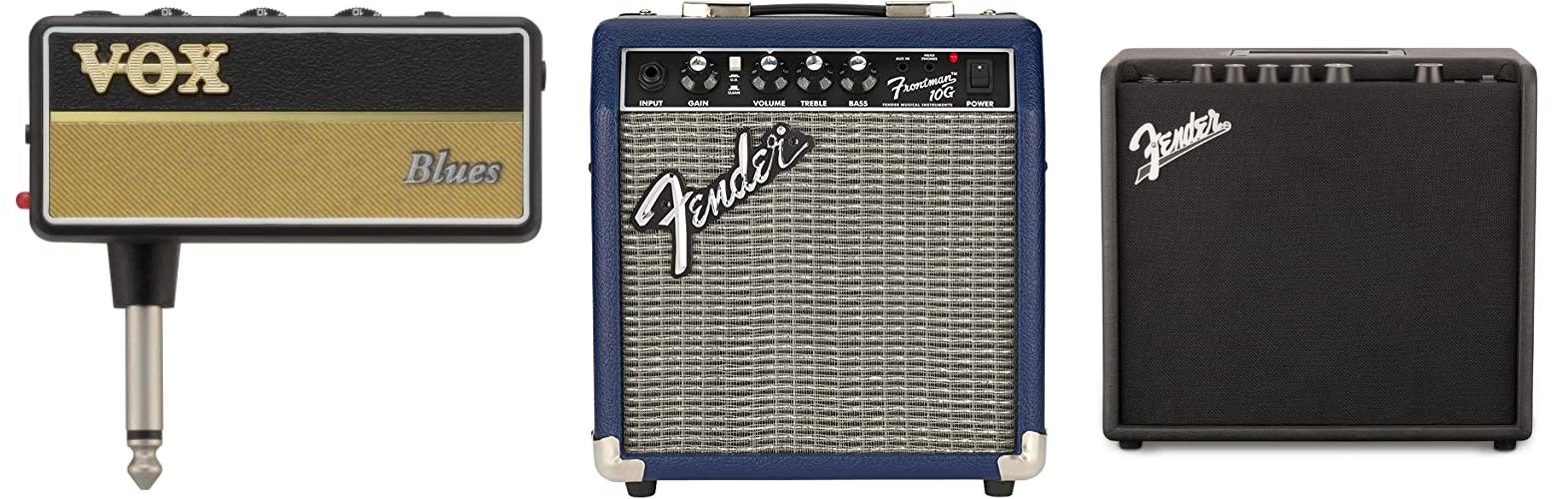
VOX Amplug 2 Blues (AP2BL) | 9.3/10 | Check Price |
 |
Fender Frontman 10G Electric Guitar Amplifier – Midnight Blue | 9.3/10 | Check Price |
 |
Fender Mustang LT25 Guitar Amp | 9.1/10 | Check Price |
 |
Fender Blues Junior Guitar Amplifier | 8.5/10 | Check Price |
 |
Fender Blues Junior IV Guitar Amplifier | 8.9/10 | Check Price |
Top 5 Blues Guitar Amplifier Detailed Reviews
1. VOX Amplug 2 Blues (AP2BL)
Rating: 9.2/10
The VOX Amplug 2 Blues (AP2BL), Black is a tiny headphone amplifier that plugs right into your electric guitar. It’s super easy to use and lets you play your guitar through headphones without needing any extra cables. This makes it perfect for practicing anytime, anywhere.
What We Like:
- It’s very small and light, so you can take it anywhere.
- It sounds like a real, loud blues amp, but you can play it quietly with headphones.
- You get three cool guitar sounds: Clean, Crunch, and Lead.
- There are nine different effects like Chorus, Delay, and Reverb to make your playing sound even better.
- The plug part folds up, making it easy to store and carry.
- It turns off by itself to save battery power.
- It lasts a long time on just two AAA batteries.
- It’s very light, only 40 grams.
- You can practice or play music without bothering anyone.
- It gives you a great sound in a small, simple package.
What Could Be Improved:
- The battery life, while good, could be even longer for extended sessions.
- While the analog circuitry is great for blues, more tone shaping options would be nice for other styles.
This little amp is a fantastic way to get awesome blues tones on the go. It’s a must-have for any guitarist who wants to practice or jam without disturbing others.
2. Fender Frontman 10G Electric Guitar Amplifier – Midnight Blue
Rating: 8.6/10
The Fender Frontman 10G Electric Guitar Amplifier in Midnight Blue is a fantastic little amp for anyone starting out or looking for a practice companion. Its compact size makes it easy to move around, and the stylish midnight blue finish looks great in any room.
What We Like:
- It packs 10 watts of power, which is plenty for practicing at home or jamming with friends.
- The 6″ Fender Special Design speaker delivers clear and punchy tones.
- You get simple but effective controls: Gain, Volume, Treble, and Bass. These help you shape your sound easily.
- The overdrive switch lets you add some grit and rock-and-roll attitude to your playing.
- It has an auxiliary input, so you can plug in your phone or MP3 player and play along with your favorite songs.
- A headphone output is included for quiet practice sessions, so you won’t disturb anyone.
- The closed-back construction helps to give the sound a bit more punch and focus.
What Could Be Improved:
- While great for practice, 10 watts might not be enough for louder band rehearsals or gigs.
- The built-in speaker is good for its size, but serious players might eventually want to upgrade to a larger cabinet for more full-bodied sound.
Overall, the Fender Frontman 10G is a solid choice for beginners. It offers a good range of sounds and features in a user-friendly package.
3. Fender Mustang LT25 Guitar Amp
Rating: 9.2/10
The Fender Mustang LT25 Guitar Amp is a fantastic option for any guitarist looking for a versatile and easy-to-use practice amp. It packs 25 watts of power, perfect for jamming at home or in small group settings. This amp comes with a special 8-inch Fender speaker, so you get that classic Fender sound quality you know and love. It’s also a great choice for beginners because it has a simple control panel and a clear 1.8-inch color screen, making it easy to navigate and find your sound.
What We Like:
- 25 watts of power is great for practice.
- The 8-inch Fender speaker delivers quality sound.
- Easy-to-use interface with a color display is perfect for beginners.
- 30 built-in presets offer a wide variety of sounds for different music styles.
- The USB audio interface lets you easily record your playing.
- Comes with a 2-year limited warranty for peace of mind.
What Could Be Improved:
- The 25-watt output might be too quiet for louder band practices.
- While 30 presets are good, some advanced players might want more customization options.
Overall, the Fender Mustang LT25 is a solid choice that offers great value and features for its price point. You get reliable Fender quality and a lot of sonic possibilities.
4. Fender Blues Junior Guitar Amplifier
Rating: 9.1/10
The Fender Blues Junior Guitar Amplifier in Lacquered Tweed brings a classic sound to your music. It’s built tough and sounds great. You can even get a 2-year warranty with it.
What We Like:
- It gives you warm, tube sound from its EL84 and 12AX7 tubes.
- The “FAT” switch makes your guitar sound thicker and adds a little crunch.
- The built-in spring reverb makes your sound echo like in a big room.
- The lacquered tweed cabinet makes it last a long time.
- The Jensen P12N speaker provides clear and warm notes.
What Could Be Improved:
- Some players might want more power for very loud gigs.
- The reverb might not be strong enough for some extreme effects.
This amp is a fantastic choice for guitarists who love a classic tone. It’s a reliable amp that will sound good for years to come.
5. Fender Blues Junior IV Guitar Amplifier
Rating: 9.2/10
The Fender Blues Junior IV Guitar Amplifier in Black is a fantastic choice for guitarists who want a great sound without breaking the bank. This amp packs a punch with its 15 watts of power, making it perfect for practice sessions, small gigs, or even recording in your home studio. It features a custom Celestion 12″ A-Type speaker that delivers clear and responsive tones. Fender has updated the preamp circuit for a richer, fuller sound and tweaked the spring reverb for a smoother, more musical effect. Plus, it comes with a footswitch to easily activate a fat Mid boost, adding extra punch to your solos.
What We Like:
- 15 watts of power is great for practice and small gigs.
- The Celestion 12″ A-Type speaker sounds amazing.
- The modified preamp circuit gives it a fuller, richer tone.
- The improved spring reverb sounds really smooth.
- The included footswitch adds a handy Mid boost.
- It comes with a 2-year warranty for peace of mind.
What Could Be Improved:
- For very large venues, you might need more power.
- Some players might want more tonal shaping options.
The Fender Blues Junior IV offers a classic Fender sound with modern upgrades. It’s a reliable and inspiring amp that will make your guitar sing.
Your Guide to Finding the Perfect Blues Guitar Amplifier
So, you’re ready to unleash some soulful blues licks from your guitar? A great amplifier is your secret weapon. It’s what makes your guitar sing, cry, and roar. This guide will help you pick the best blues guitar amp for your needs.
Why an Amp Matters for Blues
Blues music often relies on the nuances of your playing. Your amplifier captures every subtle bend, vibrato, and strum. It shapes your tone and adds character. A good amp will make your guitar sound alive and expressive.
Key Features to Look For
When you’re shopping for a blues amp, keep these important features in mind.
1. Tube vs. Solid-State Amplifiers
This is a big one!
- Tube Amps: These use vacuum tubes to create sound. Many guitarists love them for their warm, rich tone and natural overdrive. They often sound “organic” and respond well to your playing style. Tube amps can be more expensive and require more maintenance.
- Solid-State Amps: These use transistors and electronic circuits. They are usually more affordable, lighter, and require less upkeep. Modern solid-state amps can sound great, but they might not have the same “feel” as tube amps for some players.
2. Wattage (Power Output)
Wattage tells you how loud the amp can get.
- Low Wattage (1-15 watts): Great for practice and small gigs. You can push these amps to get that desirable overdrive sound at lower volumes.
- Medium Wattage (20-50 watts): Good for medium-sized gigs and rehearsals. These amps offer more headroom, meaning they stay cleaner at higher volumes before breaking up.
- High Wattage (50+ watts): Best for larger venues and loud bands. They provide a lot of clean headroom.
3. Speaker Size and Type
The speaker is crucial for your amp’s sound.
- Common Sizes: 10-inch and 12-inch speakers are most popular for blues. Larger speakers often produce a fuller sound with more bass.
- Speaker Brand: Brands like Celestion and Jensen are famous for their great tone in blues amps.
4. Channels
Some amps have multiple channels.
- Single Channel: Simple and effective. You get one main sound.
- Multiple Channels: Lets you switch between different sounds, like a clean tone and a more distorted tone. This is very useful for playing different songs or parts of a song.
5. Tone Controls and EQ
These let you shape your sound.
- Bass, Mid, Treble: Standard controls to adjust low, middle, and high frequencies.
- Presence/Resonance: These controls add sparkle or fullness to your sound.
Important Materials and Build Quality
The way an amp is built affects its sound and how long it lasts.
- Cabinet Material: Most good amps use solid wood cabinets. Pine and birch are common choices. They help the amp sound better and last longer. Cheaper amps might use particleboard.
- Components: High-quality electronic components inside the amp matter. Look for reputable brands.
Factors That Improve or Reduce Quality
- Improve Quality:
- Hand-wired circuits: Some players believe these sound better.
- High-quality tubes: Good tubes make a big difference in tube amps.
- Solid construction: A well-built amp will sound better and last longer.
- Reduce Quality:
- Cheap components: Can lead to poor sound and quick failure.
- Plastic parts: Often found on less expensive amps and can break easily.
- Poor wiring: Can cause noise and performance issues.
User Experience and Use Cases
Think about where and how you’ll use your amp.
- For Beginners: A smaller, affordable solid-state amp is a great starting point. You can learn the basics without breaking the bank. A 10-20 watt tube amp is also a good option if your budget allows.
- For Home Practice: A low-wattage tube amp or a versatile solid-state amp with headphone output is ideal. You want to be able to get good tone at low volumes.
- For Small Gigs: A 15-30 watt tube amp or a 50-watt solid-state amp works well. You need enough volume to be heard but also the ability to get some overdrive.
- For Larger Gigs/Bands: A 50-watt or higher tube amp or a powerful solid-state amp is necessary. You need to compete with drums and other instruments.
10 Frequently Asked Questions (FAQ)
Q: What is the best type of amplifier for blues music?
A: Many blues players prefer tube amplifiers for their warm, natural overdrive and responsive tone. However, high-quality solid-state amps can also produce excellent blues sounds.
Q: How much wattage do I need for a blues amp?
A: For home practice and small gigs, 1-15 watts is often enough. For larger gigs or playing with a band, 20-50 watts or more is recommended.
Q: Should I get a tube amp or a solid-state amp for blues?
A: Tube amps offer classic blues tone and feel. Solid-state amps are more affordable and lower maintenance. It depends on your budget and sound preference.
Q: What does “overdrive” mean on an amp?
A: Overdrive is a warm, crunchy distortion that happens when you push a tube amp hard. It’s a key sound in blues.
Q: Does speaker size matter for blues tone?
A: Yes, speaker size affects the fullness of the sound. 10-inch and 12-inch speakers are popular choices for blues amps.
Q: Can I get good blues tone from a small practice amp?
A: Yes, many small amps are designed to sound great at low volumes and can deliver satisfying blues tones for practice.
Q: What are the most important tone controls for blues?
A: Bass, Mid, and Treble controls are essential for shaping your sound. Some amps also have Presence or Resonance knobs.
Q: Is it worth spending more on a blues amp?
A: Often, yes. Higher-quality amps use better components and construction, which leads to superior tone, durability, and playing experience.
Q: How do I maintain a tube amplifier?
A: Tube amps need occasional tube replacements and checking by a qualified technician. They also need to be warmed up before playing.
Q: What are some good brands for blues guitar amplifiers?
A: Popular and respected brands for blues amps include Fender, Marshall, Vox, and many boutique amp builders.
In conclusion, every product has unique features and benefits. We hope this review helps you decide if it meets your needs. An informed choice ensures the best experience.
If you have any questions or feedback, please share them in the comments. Your input helps everyone. Thank you for reading.