

Imagine a concert where the music is muffled, the vocals are barely audible, and the energy just isn’t there. What’s missing? Often, it’s the power and clarity that a great amplifier for live sound provides. Choosing the right one can feel like navigating a maze, with so many technical terms and features to consider. You want your band to sound amazing, but the wrong amp can leave you frustrated and your audience disappointed.
This is where we come in. We understand the challenges of finding an amplifier that fits your needs and budget. It’s not just about making things loud; it’s about delivering crisp, dynamic sound that truly connects with your audience. We’ll break down what really matters when it comes to live sound amplification, cutting through the jargon to give you practical advice.
By the end of this post, you’ll have a much clearer picture of how to choose an amplifier that will make your performances shine. We’ll explore the key features, different types of amps, and what to look for to ensure your music sounds its absolute best, every single time. Let’s dive in and find the perfect powerhouse for your live sound.
Our Top 5 Amplifier For Live Sound Recommendations at a Glance
Top 5 Amplifier For Live Sound Detailed Reviews
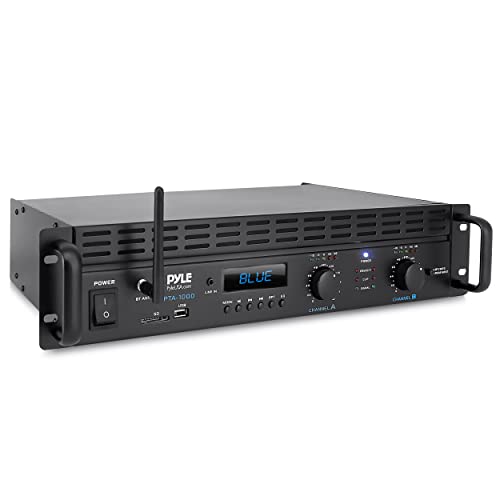
1. Pyle 2-Channel Bluetooth Power Amplifier- 2000W Bridgeable Rack Mount Pro Audio Sound Wireless Home Stereo Receiver w/TRS XLR Input
Rating: 9.4/10
The Pyle PTA1000BT is a powerful and versatile 2-channel amplifier that can bring your home stereo system to life. It offers a massive 2000 watts of power when bridged, or a robust 1000 watts per channel in stereo mode. This means you can easily power multiple speakers with 4-8 ohm impedance for an incredible audio experience. Plus, with built-in Bluetooth, you can stream music wirelessly from your smartphone, tablet, or computer without any fuss.
What We Like:
- Massive 2000-watt power output for impressive sound.
- Bluetooth connectivity makes wireless streaming simple.
- Multiple input options (TRS, XLR) offer great flexibility.
- Front panel LCD display shows useful information.
- Built-in cooling fan keeps the amplifier running smoothly.
- Bridge mode allows for even more power when needed.
What Could Be Improved:
- The user manual could be a bit clearer for beginners.
- The size might be a bit large for very small spaces.
This Pyle amplifier is a fantastic choice for anyone looking to upgrade their home audio. It delivers big sound and offers convenient features for an enjoyable listening experience.
2. Rockville RPM48S 2000W Powered 4 Channel Mixer/Stereo Amplifier

Rating: 9.1/10
The Rockville RPM48S 2000W Powered 4 Channel Mixer/Stereo Amplifier is a powerful and versatile audio solution for DJs, bands, and event organizers. It packs a serious punch with 2000W of peak power, ensuring your sound fills small to medium-sized venues with clarity and impact. This unit combines a mixer and a stereo amplifier into one convenient package, making it easier to set up and manage your audio for live performances.
What We Like:
- The 2000W peak output delivers impressive sound for its size.
- Four channels with XLR and 1/4″ inputs allow for plenty of microphones and instruments.
- Bluetooth and USB/SD card support offer easy ways to play music.
- The 3-band EQ helps you fine-tune your sound.
- It’s lightweight and easy to carry around.
What Could Be Improved:
- The RMS power is a bit lower than the peak power, which might matter for very demanding setups.
- While it has individual volume controls, more advanced mixing features are absent.
The Rockville RPM48S is a solid choice for those needing a reliable and user-friendly all-in-one audio system. It offers a great balance of power, features, and portability for many live sound applications.
3. Gemini Professional 5000W 2-Channel Power Amplifier – High-Powered DJ & PA Audio Amp with XLR/RCA Inputs

Rating: 8.8/10
Unleash the full power of your sound system with the Gemini Professional 5000W 2-Channel Power Amplifier (XGA-5000). This amp is built for serious audio performance, delivering massive power to your speakers. Whether you’re a DJ spinning at a club, a sound engineer for a live band, or setting up a permanent installation, this amplifier offers the muscle and reliability you need.
What We Like:
- POWERHOUSE PERFORMANCE: Get ready for huge sound! This amp blasts out 5000W of peak power, giving you 2x550W RMS at 4 ohms stereo or a massive 1100W in bridged mode. Your music will be loud and clear, filling any space.
- VERSATILE CONNECTIONS: Hook up almost anything. It has XLR, 1/4″ TRS, and RCA inputs, so it works with most audio gear. Plus, it offers 3 Speakon and 5-way banana plug outputs to connect your speakers easily.
- SERIOUS PROTECTION: Keep your expensive speakers and the amp safe. Built-in protection against limiters, short circuits, and DC output means you can crank it up without worry. It’s ready for tough jobs.
- COOL UNDER PRESSURE: This amp stays cool even during long, demanding performances. Its smart front-to-rear fan system and strong build prevent overheating, ensuring it runs smoothly all night.
- BUILT TO LAST: With a tough 2U rackmount design and quality parts, this amp can handle being moved around or used constantly. It’s made for professional use and built to endure.
What Could Be Improved:
- The sheer power output might be overkill for smaller venues or home use.
- For absolute beginners, the advanced features and power levels might require some learning.
The Gemini XGA-5000 is a robust and powerful amplifier that delivers on its promise of high-output audio. It’s a solid investment for anyone needing dependable, high-impact sound for their professional audio needs.
4. Rockville RPM80BT 2400W Powered 8 Channel Mixer/Amplifier

Rating: 8.6/10
The Rockville RPM80BT 2400W Powered 8 Channel Mixer/Amplifier is a versatile powerhouse for any audio setup. It combines a mixer and an amplifier into one unit, making it super convenient. You can easily connect all your microphones and instruments. Plus, it has built-in effects to make your sound even better. Whether you’re playing a show or recording in the studio, this mixer has got you covered.
What We Like:
- It’s really powerful, putting out 500W RMS to make your speakers sound great.
- It has tons of ways to connect everything, including 8 XLR and 8 1/4″ TRS inputs.
- You get awesome sound control with a 5-band EQ and individual channel controls for bass, treble, and reverb.
- It’s perfect for many different uses, like live shows, DJing, studio work, and karaoke.
- Phantom power is included, which is needed for some microphones.
- You can play music from your phone or a USB drive with Bluetooth and USB playback.
- Built-in controls let you manage MP3s, AUX, and master volume easily.
- It has a cooling fan to keep it from getting too hot during long sessions.
What Could Be Improved:
- While it has many features, some users might find the interface a bit complex at first.
- The 2400W peak power is impressive, but the RMS output is what truly defines sustained power.
This mixer/amplifier offers a lot of bang for your buck and is a solid choice for anyone needing a reliable and feature-rich audio solution.
5. Rockville PPA53 Preamp Pro 1U Preamplifier w/Bluetooth

Rating: 9.1/10
The Rockville PPA53 Preamp Pro 1U Preamplifier is a powerful tool for anyone serious about sound. It brings studio-quality audio to your home setup or live performances. This preamp handles both microphones and line-level instruments with ease, giving you clear, crisp sound. Its compact design makes it a great fit for any rack.
What We Like:
- The audio quality is super clear and doesn’t have annoying noise.
- You can connect your phone with Bluetooth to play music wirelessly.
- It plugs right into your computer with USB for easy recording.
- It has lots of different ways to plug in your gear.
- The small size fits perfectly in a rack without taking up much space.
- It works well for musicians, podcasters, and sound engineers.
- It connects easily with other audio equipment you might have.
What Could Be Improved:
- The instruction manual could be a bit clearer for beginners.
- More input options for specialized instruments might be helpful.
The Rockville PPA53 Preamp Pro is a fantastic all-around preamp. It offers great sound and lots of useful features for the price.
Your Guide to Awesome Live Sound Amplifiers
Getting the right amplifier for your live sound makes a huge difference. It powers your speakers and makes your music loud and clear. This guide helps you pick the best one for your needs.
Key Features to Look For
Power Output (Watts)
This is how strong your amplifier is. More watts mean it can power bigger or more speakers. For small gigs, 100-300 watts per channel is usually enough. For larger venues, you’ll need more.
Channels
Most amps have stereo channels (left and right). Some have more if you need to power different speaker setups. Think about how many speakers you’ll use.
Input/Output Connections
Look for XLR or 1/4-inch inputs to connect your mixer or audio source. Outputs connect to your speakers. Make sure they match your other gear.
Cooling System
Live sound amps get hot. Good cooling systems, like fans, keep the amp from overheating. This is important for long shows.
Weight and Size
If you move your gear a lot, a lighter and smaller amp is better. Some amps are designed to be portable.
Built-in Effects or EQ
Some amps have features like bass and treble controls. This lets you tweak the sound right from the amp.
Important Materials
Chassis and Casing
A strong metal casing protects the amp’s insides. This is important for road use. Aluminum is light and strong. Steel is very durable.
Internal Components
High-quality internal parts, like capacitors and transistors, make the sound clearer and last longer. Manufacturers sometimes talk about the quality of their components.
Factors That Improve or Reduce Quality
Sound Clarity (Fidelity)
A good amp reproduces sound accurately. You want to hear every note clearly. Cheap amps can sound muddy or distorted, especially at high volumes.
Durability and Reliability
Live sound amps need to be tough. They get moved, plugged in, and pushed hard. A well-built amp will last for years. Poorly made amps can fail during shows, which is a big problem.
Heat Management
As mentioned, good cooling is key. An amp that overheats will shut down or get damaged. This reduces its quality and lifespan.
Noise Floor
This is the background noise an amp makes. A good amp has a very low noise floor, so you only hear your music, not hiss or hum.
User Experience and Use Cases
For Bands and Musicians
Bands use amps to power their stage monitors (speakers that let musicians hear themselves) and sometimes main PA speakers. Easy controls are helpful on stage.
For DJs
DJs need amps to power their sound systems for parties and events. They often need enough power for larger crowds and clear sound for music playback.
For Small Venues and Events
Cafes, small clubs, and community halls need reliable amps that can fill the space with sound. Portability is often a plus here.
For Home Practice
While not strictly “live sound,” some musicians use powerful amps for practice. They want to hear their full sound, even at lower volumes.
Choosing the right amplifier takes a bit of thought. Consider your budget, the size of your venue, and the type of sound you want. A good amp is an investment that will make your live performances sound fantastic!
Frequently Asked Questions (FAQ)
Q: What does “watts” mean for an amplifier?
A: Watts measure how much power an amplifier can send to speakers. More watts mean it can make sound louder.
Q: Do I need a lot of watts for a small gig?
A: No, for small gigs, you don’t need the most powerful amps. 100-300 watts per channel is usually enough.
Q: What’s the difference between mono and stereo amps?
A: Stereo amps have two separate channels (left and right) for stereo sound. Mono amps have one channel.
Q: Can I use any speaker with any amplifier?
A: Not always. You need to match the speaker’s power needs (ohms and wattage) to the amplifier’s output to avoid damage.
Q: How do I know if an amp is good quality?
A: Look for durable materials, good reviews, and clear sound without much background noise.
Q: What is an “impedance” (ohms) rating?
A: It’s a measure of electrical resistance. Your amplifier needs to be compatible with your speakers’ impedance rating.
Q: Should I worry about an amp getting hot?
A: Yes, amps generate heat. Good cooling systems prevent overheating and damage.
Q: Can I plug a microphone directly into an amplifier?
A: Usually, no. Microphones need a mixer or a preamp to boost their signal before going to an amplifier.
Q: What are “class D” amplifiers?
A: These are a type of amplifier that is very efficient and often lighter and smaller than older types.
Q: How often should I clean my amplifier?
A: You should dust your amplifier regularly. Make sure it’s unplugged before cleaning. Keep vents clear of dust.
In conclusion, every product has unique features and benefits. We hope this review helps you decide if it meets your needs. An informed choice ensures the best experience.
If you have any questions or feedback, please share them in the comments. Your input helps everyone. Thank you for reading.