
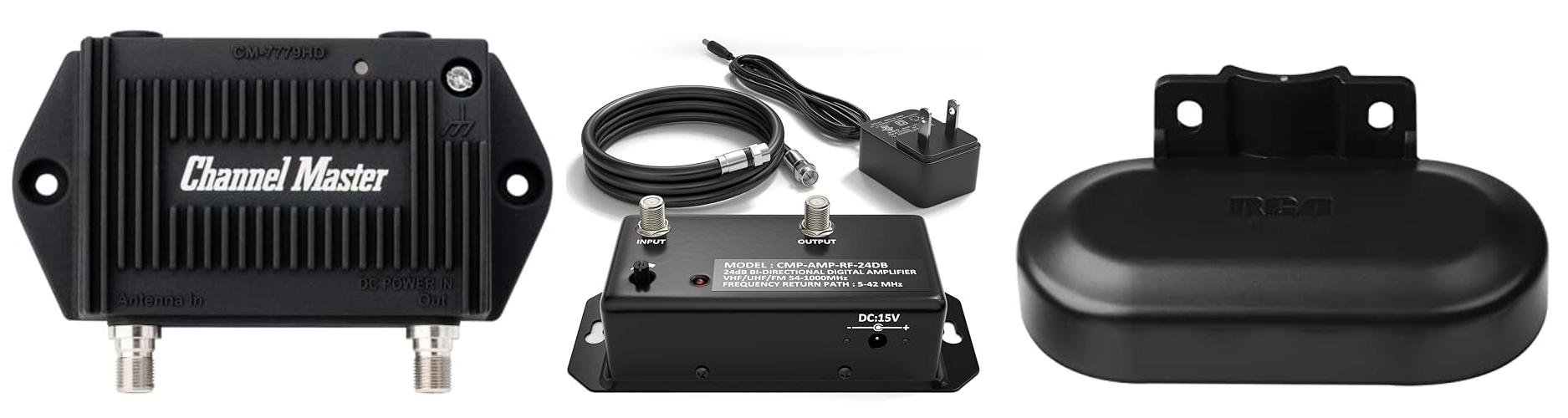
Do you ever feel like your favorite shows are just out of reach, blurry or cutting out when you want to watch them most? You’ve invested in an antenna, hoping for crystal-clear, free TV, but sometimes the signal just isn’t strong enough. It’s frustrating when you’re trying to get the best picture possible, and the sheer number of TV antenna preamplifiers out there can make choosing the right one feel like a puzzle.
Many people get overwhelmed by technical jargon and the promise of “super strong” signals, not knowing what actually works for their home. But what if there was a way to boost that signal and finally enjoy those sharp, reliable broadcasts? This post is here to help. We’ll break down what a TV antenna preamplifier actually does and guide you through the important things to consider so you can pick the perfect one.
By the end of this read, you’ll understand how these devices work their magic and feel confident in choosing a preamplifier that will truly improve your TV viewing experience. Let’s dive in and unlock the best signal for your antenna!
Our Top 5 Tv Antenna Preamplifier Recommendations at a Glance
Top 5 Tv Antenna Preamplifier Detailed Reviews
1. Channel Master TV Antenna PreAmp 1-1-Port TV Antenna Pre-Amplifier

Rating: 8.6/10
Struggling to get a clear picture from your TV antenna? The Channel Master PreAmp 1 is here to help boost those weak signals. This handy device works with most non-amplified TV antennas, both inside and outside your home. It’s designed to give your signal a much-needed push, especially if you’re in an area with weaker reception or have long cable runs to your TV. Plus, it helps block annoying interference from cell phones and other wireless devices.
What We Like:
- Boosts weak signals: It significantly increases signal strength for clearer TV channels when your original signal is weak.
- Blocks interference: The built-in LTE filter stops unwanted signals from 3G, 4G, and 5G devices, giving you a cleaner signal.
- Powerful output: It provides a stronger signal than many other amplifiers, making it great for difficult reception areas.
- Easy power: Power is sent through the coaxial cable, so you don’t need an extra electrical outlet.
- Future-ready: It supports the latest TV standards, including NextGen TV (ATSC 3.0) and 4K.
- Works with distribution: It can be used with Channel Master power-passing splitters to send the signal to multiple TVs.
What Could Be Improved:
- Installation matters: It only helps if the problem is a weak signal. It won’t fix issues caused by physical obstructions or bad signal paths, especially with antennas in attics. Moving an attic antenna outdoors might be necessary.
- Meter readings: The improvement might not always show up on your TV’s signal meter.
- Not for amplified antennas: It will not work with antennas that already have a built-in amplifier.
- Requires quality accessories: For the best results, it’s recommended to use it with a high-quality passive antenna, premium coaxial cables, and weather-sealed connectors.
If you’re experiencing weak TV signals and have a compatible antenna, the Channel Master PreAmp 1 is a powerful solution. It’s designed to deliver a better viewing experience by enhancing your signal.
2. THE CIMPLE CO Antenna Amplifier Kit

Rating: 8.6/10
Tired of fuzzy TV channels? The CIMPLE CO Antenna Amplifier Kit is here to help! This digital TV signal booster strengthens your antenna’s reception, bringing you clearer pictures and better sound. It works with all sorts of TV signals, including digital (ATSC) and older analog ones (NTSC), plus FM radio. The kit comes with the amplifier and an RG6 coaxial cable, so you have everything you need to get started. Just plug it in, adjust the settings, and enjoy a much-improved TV viewing experience.
What We Like:
- Boosts your TV signal for clearer reception.
- Works with many different TV and radio signals (VHF, UHF, FM, ATSC, NTSC, FTA, OTA).
- Comes with a sturdy metal housing for durability.
- Includes a handy RG6 coaxial cable.
- Adjustable gain lets you fine-tune the signal strength.
- Easy to set up for indoor use.
What Could Be Improved:
- Not suitable for outdoor installation.
- Best results are achieved when placed within 300 feet of the antenna.
This amplifier kit is a simple solution for anyone looking to improve their over-the-air TV reception. It’s easy to use and delivers noticeable results, making it a worthwhile addition to your home entertainment setup.
3. RCA Digital Signal Amplifier for Outdoor Antennas – Extremely Low Noise

Rating: 8.8/10
Are you struggling to get a clear picture from your outdoor TV antenna? The RCA Digital Signal Amplifier (AMP2450E) is here to help! This amplifier boosts your antenna’s signal, letting you watch more channels with better quality, especially if you live far from broadcast towers. It works great in areas with weak signals. Its special design keeps the signal clean and clear.
What We Like:
- It makes your outdoor antenna work better and reach farther.
- It helps you get more channels, even with a weak signal.
- The amplifier uses special “Extremely Low Noise” parts to keep your TV picture sharp and clear.
- It works for both UHF and VHF channels, which are used by most TV stations.
- The indoor power injector makes it safe and easy to set up. No complicated wiring is needed.
- It works with any TV and any regular outdoor antenna.
- It’s designed for today’s digital signals and works much better than old amplifiers made for analog TV.
What Could Be Improved:
- The power injector needs to be plugged into an indoor outlet, so you’ll need to run a cable from your antenna to that location.
- While it’s easy to install, you still need to connect it to your antenna’s coaxial cable.
This amplifier is a smart upgrade for anyone looking to improve their over-the-air TV reception. Get ready for a clearer, more reliable viewing experience.
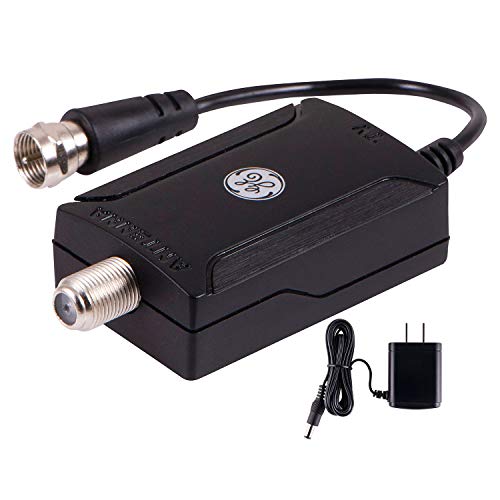
4. GE Indoor TV Antenna Amplifier
Rating: 8.6/10
Get ready to boost your TV viewing experience with the GE Indoor TV Antenna Amplifier, Antenna Signal Booster, HD TV Digital VHF UHF, Low Noise, AC Power Adapter, Black, 42178. This handy device is designed to make sure you get the clearest picture and strongest signal for all your favorite shows.
What We Like:
- SIGNAL BOOSTER: This amplifier makes your TV signal stronger. It helps fix problems with weak signals and stops your picture from freezing or disappearing.
- UNIVERSAL COMPATIBILITY: It works with any TV and any regular antenna. You don’t need to worry if it will work with your setup.
- FUTURE READY: You can watch TV in amazing 1080p HD. This means your picture will be super clear and sharp, and the sound will be great too.
- EASY INSTALLATION: Setting it up is a breeze. It comes with an AC power adapter, so you just plug it in and go.
- SATISFACTION GUARANTEED: GE is a trusted brand in antennas. They offer a lifetime warranty and free U.S.-based technical support if you have any questions.
What Could Be Improved:
- While the product description doesn’t mention any specific drawbacks, it’s always good to check online reviews for user experiences.
- The “Low Noise” feature is great, but some users might want to know exactly how “low” the noise level is.
This GE antenna amplifier is a simple yet effective way to improve your TV reception. It’s an excellent choice for anyone looking to get more out of their existing antenna setup.
5. Winegard LNA-200 Boost XT HDTV Preamplifier

Rating: 9.1/10
Are you tired of fuzzy TV pictures and missing channels? The Winegard Boost XT LNA-200 HDTV Preamplifier might be the solution you need. This device is designed to boost the signal from your existing non-amplified TV antenna, helping you get a clearer picture and potentially more channels. It works by separately amplifying both VHF and UHF signals, which are the different frequencies that broadcast TV channels. This technology aims to give you the best possible reception.
What We Like:
- It makes non-amplified antennas work better.
- It can bring in more channels for you.
- The signal gets clearer, with less pixelation.
- It has a special circuit that keeps noise low for better range.
- It comes with everything you need to set it up.
- It’s made in the USA.
What Could Be Improved:
- It only works with antennas that are not already amplified.
- Getting more channels isn’t guaranteed; it depends on other things like where you live and your antenna.
If you have a non-amplified antenna and want to improve your TV signal, the Winegard Boost XT LNA-200 is a solid option to consider. It’s designed to give your current setup a boost for a better viewing experience.
Your Guide to a Better TV Signal: Choosing the Right TV Antenna Preamplifier
Are you tired of pixelated pictures and missing channels? A TV antenna preamplifier might be the solution you need. This small device boosts your TV antenna’s signal, helping you get a clearer, more reliable picture. Let’s explore what to look for when buying one.
What is a TV Antenna Preamplifier?
Think of your TV antenna as a net for catching TV signals. Sometimes, these signals are weak. A preamplifier acts like a megaphone for those signals. It takes the weak signal from your antenna and makes it stronger *before* it reaches your TV. This helps your TV “hear” the signal better, leading to a clearer picture and more channels.
Key Features to Look For
1. Gain (dB): More is Often Better, But Not Always
Gain measures how much the preamplifier boosts the signal. It’s usually measured in decibels (dB). A higher dB number means a stronger boost. For most homes, a preamplifier with 10-20 dB is usually enough. If you live far from TV towers or have many splitters, you might need a bit more gain, but too much can also cause problems.
2. Noise Figure (dB): Less is More Here
The noise figure tells you how much extra “noise” the preamplifier adds to the signal. Lower is better! A low noise figure means the preamplifier keeps the signal clean while boosting it. Look for a noise figure of 2 dB or less. This is crucial for getting a good picture.
3. Frequency Range: Match Your Channels
TV signals travel on different frequencies. Make sure the preamplifier you choose can handle the frequencies used by your local TV stations. Most modern preamplifiers cover the UHF and VHF bands, which are used by most digital TV signals.
4. Powering Method: How it Gets its Energy
Preamplifiers need power to work. Some get power through the coaxial cable from your TV or a power inserter. Others might have their own power adapter. Check how the preamplifier is powered and if it comes with the necessary parts.
5. Durability and Weatherproofing (for Outdoor Models): Built to Last
If you plan to install your preamplifier outdoors, it needs to be tough. Look for weather-resistant materials that can handle rain, sun, and temperature changes. This ensures it will work reliably for a long time.
Important Materials
Most TV antenna preamplifiers use sturdy plastic casings to protect the electronic components inside. The internal circuitry is made of high-quality electronic parts designed to amplify signals efficiently. For outdoor units, weatherproofing often involves rubber seals and UV-resistant plastics.
Factors That Improve or Reduce Quality
Factors That Improve Quality:
- High-Quality Components: Better internal parts mean a cleaner, stronger signal boost.
- Proper Installation: Placing your antenna in the best spot and connecting everything securely helps.
- Low Noise Figure: As mentioned, this is key to a clear signal.
- Sufficient Gain: Enough boost for your specific location.
Factors That Reduce Quality:
- Too Much Gain: Over-boosting can make the signal so strong it distorts, causing pixelation.
- High Noise Figure: Extra noise makes it harder for your TV to decode the signal.
- Poorly Made Components: Cheap parts can introduce interference.
- Bad Connections: Loose cables or corroded connectors can weaken the signal.
- Interference: Other electronic devices nearby can sometimes interfere with the signal.
User Experience and Use Cases
A TV antenna preamplifier is for anyone who uses an over-the-air (OTA) TV antenna. This includes people who want to save money on cable bills, those who live in areas with weak TV signals, or people who want to receive more local channels. Users often report a noticeable improvement in picture quality, with fewer glitches and dropouts. Some even find they can pick up channels they couldn’t before.
Frequently Asked Questions (FAQ)
Q: Do I really need a TV antenna preamplifier?
A: You might need one if you have a weak TV signal, live far from broadcast towers, or experience pixelation and missing channels. If you get a great signal already, you probably don’t.
Q: Where should I install a preamplifier?
A: Ideally, it should be as close to the antenna as possible. This boosts the signal right at the source.
Q: Can I use a preamplifier with a powered antenna?
A: Some powered antennas have built-in preamplifiers. Adding another might not be necessary or could cause problems. Check your antenna’s manual.
Q: Will a preamplifier help me get channels from farther away?
A: Yes, it can help by strengthening the weak signals from distant towers, making them easier for your TV to receive.
Q: How do I know if I’m getting too much gain?
A: If your picture becomes worse after installing a preamplifier, or if you see a lot of “snow” or distortion, you might have too much gain. Try a preamplifier with less gain.
Q: Can I install a preamplifier indoors?
A: Yes, many preamplifiers can be installed indoors, often near your TV or where the antenna cable enters your home. However, outdoor installation closer to the antenna is usually more effective.
Q: What is the difference between a preamplifier and a distribution amplifier?
A: A preamplifier boosts a weak signal from the antenna. A distribution amplifier takes a good signal and splits it to send to multiple TVs without losing much strength.
Q: How do I connect a preamplifier?
A: It usually connects between your antenna and your TV or the first splitter. You’ll need coaxial cables to connect everything.
Q: Do preamplifiers require much maintenance?
A: Generally, no. Once installed, they require very little maintenance. Just ensure connections are secure.
Q: Are there any downsides to using a preamplifier?
A: The main potential downside is adding too much gain, which can worsen your signal. Also, they require a power source to operate.
In conclusion, every product has unique features and benefits. We hope this review helps you decide if it meets your needs. An informed choice ensures the best experience.
If you have any questions or feedback, please share them in the comments. Your input helps everyone. Thank you for reading.