
Yes, you can wash your car after getting tint, but there’s a crucial waiting period and specific techniques you need to follow to ensure the tint adheres properly and lasts for years to come. Immediately washing your car after tint installation can cause the film to peel, bubble, or even tear, leading to costly repairs or a complete re-tint.
Getting your car windows tinted is a fantastic way to enhance its look, improve comfort by reducing heat and glare, and protect your car’s interior from damaging UV rays. However, after investing in this upgrade, it’s vital to know how to properly care for your new tint. A key part of that care involves knowing when and how to wash your car. This guide will walk you through everything you need to know about car wash after tint, washing tinted windows, and proper tinting care.
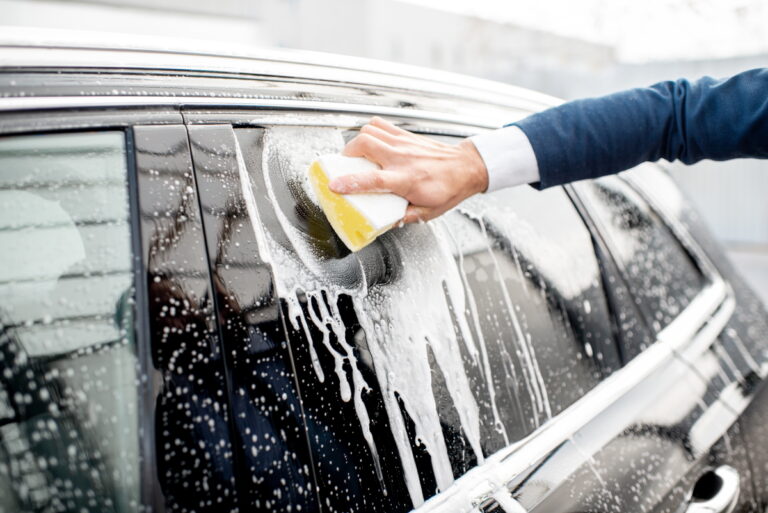
Image Source: qualityautoglasstint.com
The Waiting Game: How Long Until I Can Wash My Car?
The most critical piece of information regarding washing new car tint is patience. Tint film needs time to cure completely. During this curing process, the water trapped between the film and the glass evaporates, and the adhesive bonds securely.
Tint Drying Time Washing: What’s the Standard Wait?
Most reputable tint shops will give you specific advice, but a general rule of thumb for tint drying time washing is 24 to 72 hours after installation. However, some installers recommend a longer waiting period, up to a week, especially in cooler or more humid climates where drying can be slower.
-
Why the wait? When the tint is applied, there’s a soapy water solution used to help position the film. This solution needs to evaporate completely. If you wash your car too soon, the high-pressure water or even the scrubbing action can push this residual moisture out unevenly, or worse, get under the edges of the tint and disrupt the curing process.
-
Factors affecting drying time:
- Temperature: Warmer temperatures help the water evaporate faster.
- Humidity: High humidity slows down the evaporation process.
- Sunlight: Direct sunlight, especially early on, can accelerate drying.
- Type of Tint: Different tint films and adhesives might have slightly varying curing times.
Always listen to your tint shop advice. They know the specific products they used and the conditions under which they were applied. If they say wait three days, wait three days. If they say wait a week, extend your patience.
Post-Tint Cleaning: What’s Allowed During the Curing Phase?
During the initial curing period (the 24-72 hours or longer, as advised by your installer), you’ll want to avoid washing your car altogether. This means no exterior car washes, and definitely no washing the interior windows where the tint is applied.
What NOT to Do Immediately After Tinting
- No high-pressure washes: These can force water under the tint edges.
- No harsh chemicals: Avoid ammonia-based cleaners.
- No aggressive scrubbing: Even gentle scrubbing can be too much.
- Don’t open windows aggressively: While not directly washing, opening and closing windows can sometimes dislodge the lower edge of the tint if it hasn’t fully bonded. It’s best to avoid it for the first few days.
- Don’t use a squeegee on the inside: Resist the urge to “help” dry any water you might see – it’s part of the process.
Washing Your Car After the Curing Period: Safe Practices
Once the recommended curing time has passed, you can resume washing your car. However, window tint aftercare is still important. You need to use gentle methods and appropriate cleaners to protect your investment.
How to Clean Tinted Windows Safely
When it comes to washing tinted windows, the key is gentleness and the right products.
Exterior Washing
-
Hand Washing is Best: This gives you the most control.
- Two-Bucket Method: Use one bucket with soapy water and another with clean rinse water for your wash mitt. This prevents dirt from being rubbed back onto the paint and windows.
- Mild Car Wash Soap: Use a pH-neutral car wash soap designed for automotive use.
- Soft Wash Mitts: Opt for microfiber wash mitts to avoid scratching.
- Gentle Drying: Use clean microfiber drying towels. Avoid letting water spots dry on the paint or windows.
-
Avoid Direct Sunlight and Hot Surfaces: Wash your car in a shaded area, and ensure the car’s surface is cool to the touch. Washing a hot car can cause soap and water to dry too quickly, leaving streaks and water spots.
Interior Window Cleaning (Crucial for Tinted Windows)
This is where you need to be extra careful. The inside of your windows is where the tint film is directly applied.
- Wait for Full Cure: Even after the initial car wash period, give the interior tint another day or two before cleaning the inside of the windows.
- Use Ammonia-Free Cleaners: Ammonia is a harsh chemical that can break down the adhesive on window tint, causing it to peel, bubble, or discolor. Look for glass cleaners specifically labeled “ammonia-free” or “tint-safe.”
- Microfiber Towels are Key: Use two clean, soft microfiber towels.
- First Towel: Lightly dampen it with your chosen ammonia-free cleaner. Gently wipe the tinted window to remove dirt and grime. Avoid excessive pressure.
- Second Towel: Use a dry microfiber towel to buff the window dry and remove any streaks.
- Spray Cleaner onto the Towel, Not the Window: To prevent overspray from getting into door panels or electronics, it’s often recommended to spray the cleaner onto your microfiber towel rather than directly onto the glass.
- Be Gentle Around Edges: Pay extra attention to the edges of the tint. Avoid using sharp objects like razor blades (unless specifically for tint removal by a professional) or scrubbing too hard near the edges where the tint meets the rubber seals.
What NOT to Do When Washing Tinted Windows (Interior)
- Never use Windex or similar ammonia-based cleaners.
- Do not use paper towels or rough cloths. These can scratch the tint and leave lint behind.
- Avoid using squeegees on the inside of the tinted windows. They are designed for exterior use and can snag on the tint film.
- Don’t use excessive water. A lightly dampened towel is all you need.
- Never use abrasive cleaners or scouring pads.
Common Mistakes to Avoid with Tint Care
Beyond washing, proper tinting care involves avoiding other damaging habits.
Habits That Can Harm Your Tint
- Leaving Windows Down for Extended Periods: While tempting to air out the car, avoid repeatedly rolling windows down immediately after tinting. As mentioned, give the edges time to bond.
- Using Interior Cleaning Sprays Near Tint: Be mindful when cleaning your dashboard or other interior surfaces. If you use sprays, try to shield the tinted windows or use a towel to catch any overspray.
- Attaching Stickers or Decals: Placing stickers directly on tinted windows can damage the film when removed.
- Ignoring Bubbles or Peeling: If you notice any issues like bubbles, peeling, or discoloration, contact your tint shop promptly. The sooner you address it, the easier and potentially cheaper it might be to fix.
DIY vs. Professional Car Washes
When it comes to safe car wash for tint, the decision between a DIY wash and a professional car wash is important.
Professional Car Wash Considerations
- Touchless Car Washes: These are generally the safest option if you must use a professional service after the curing period. They use high-pressure water jets and cleaning solutions without physical contact with your car’s surface. However, even these use strong chemicals, so ensure they are advertised as tint-safe or ammonia-free.
- Automatic Car Washes with Brushes: Avoid these at all costs. The spinning brushes, even if soft, can scratch the tint film, create swirl marks, and potentially catch on the edges, causing damage.
- Full-Service Detailers: If you opt for a professional detailer, communicate clearly that your windows are tinted. Ensure they are experienced with tinted vehicles and use appropriate, ammonia-free products for interior glass cleaning.
DIY Washing: The Safest Bet
For most car owners, a careful, hands-on approach at home is the safest way to maintain tinted windows. You have complete control over the products and techniques used.
Troubleshooting Tint Issues
Even with the best care, sometimes issues can arise.
What to Do If You See Bubbles
Small, tiny bubbles that look like condensation might be normal and could disappear as the tint fully cures. However, larger or persistent bubbles, or bubbles that appear after the initial curing period, should be addressed by your tint shop. They might be able to fix it by gently working the water out or by re-applying the tint.
Addressing Scratches or Damage
If you notice scratches, you cannot buff them out of window tint film. Similar to bubbles, significant scratches usually require re-tinting the affected window. This is why careful handling and cleaning are paramount.
Frequently Asked Questions About Washing Tinted Cars
Here are some common questions people have about window tint aftercare.
FAQ: Your Tint Washing Questions Answered
| Question | Answer |
|---|---|
| Can I wash my car the day after getting tint? | No, it is generally not recommended. You need to wait at least 24-72 hours, or as advised by your tint shop, for the tint to cure properly. |
| What is the best way to wash my tinted car? | Hand washing with a pH-neutral soap and microfiber mitts is the safest for the exterior. For the interior windows, use an ammonia-free glass cleaner and soft microfiber towels, spraying the cleaner onto the towel, not the glass. |
| Is it safe to use Windex on tinted windows? | Absolutely not. Windex and other ammonia-based cleaners will damage the tint film, causing it to peel, bubble, or fade. Always use tint-safe, ammonia-free glass cleaners. |
| What should I do if I see a small bubble? | Very small bubbles that look like water droplets might be normal and can disappear as the tint cures. If they are large or don’t disappear, or if new ones appear later, contact your tint shop for advice or repair. |
| Can I go through an automatic car wash? | It’s best to avoid automatic car washes with brushes entirely, as they can scratch or damage your tint. Touchless car washes are a safer alternative after the tint has fully cured, but hand washing remains the most recommended method for optimal tinting care. |
| How often should I clean my tinted windows? | Clean them as needed. However, avoid frequent, aggressive cleaning. Gentle cleaning with the right products will preserve the tint’s clarity and longevity. |
| Can I use a pressure washer on my tint? | It’s generally best to avoid pressure washers, especially on the edges of the tint, as the high pressure can force water underneath the film and damage the adhesive. If you do use one, keep it at a safe distance and avoid direct, prolonged spray on the tint edges. |
| What kind of soap is safe for tinted windows? | Any pH-neutral car wash soap is safe for the exterior of your car, including areas near tinted windows. For interior cleaning of the tinted glass itself, use a specific ammonia-free glass cleaner. |
| How long does tint typically take to cure? | The initial curing period where you should avoid washing is typically 24-72 hours. However, the tint film can take up to 30 days to fully cure and bond completely, meaning all the moisture has evaporated. During this extended period, continue to be gentle with interior cleaning. |
| My tint looks hazy after washing, why? | This could be due to residue from a cleaner that wasn’t completely wiped away, or it could be that the tint isn’t fully cured and still has moisture trapped. Ensure you’re using the right cleaners and always buff dry with a clean microfiber cloth. |
Protecting Your Investment: Long-Term Tint Maintenance
Proper window tint aftercare isn’t just about the initial waiting period; it’s about ongoing maintenance.
Tips for Keeping Your Tint Looking Great
- Regular Gentle Cleaning: Clean your windows regularly but gently to prevent dirt and grime buildup.
- Avoid Harsh Chemicals: Always stick to ammonia-free cleaners for interior glass.
- Inspect Periodically: Take a moment every few months to visually inspect your tint for any signs of bubbling, peeling, or delamination, especially around the edges.
- Be Cautious with Window Controls: After tinting, especially for the first few days, be gentle when rolling windows up and down to avoid dislodging the edges.
By following these guidelines, you can ensure your car’s window tint remains clear, functional, and aesthetically pleasing for many years, maximizing the benefit of your tint shop advice and the investment you’ve made in your vehicle. Remember, patience and gentle care are your best friends when it comes to maintaining new car tint.