
Yes, you absolutely can trade in a car you’re still financing. Many people assume that if you have an outstanding car loan, you’re stuck until it’s fully paid off. This is a common misconception. You can indeed sell car with loan and trade in vehicle with loan to get into a new set of wheels. This guide will walk you through the entire process, from figuring out your car’s value to completing the transaction.
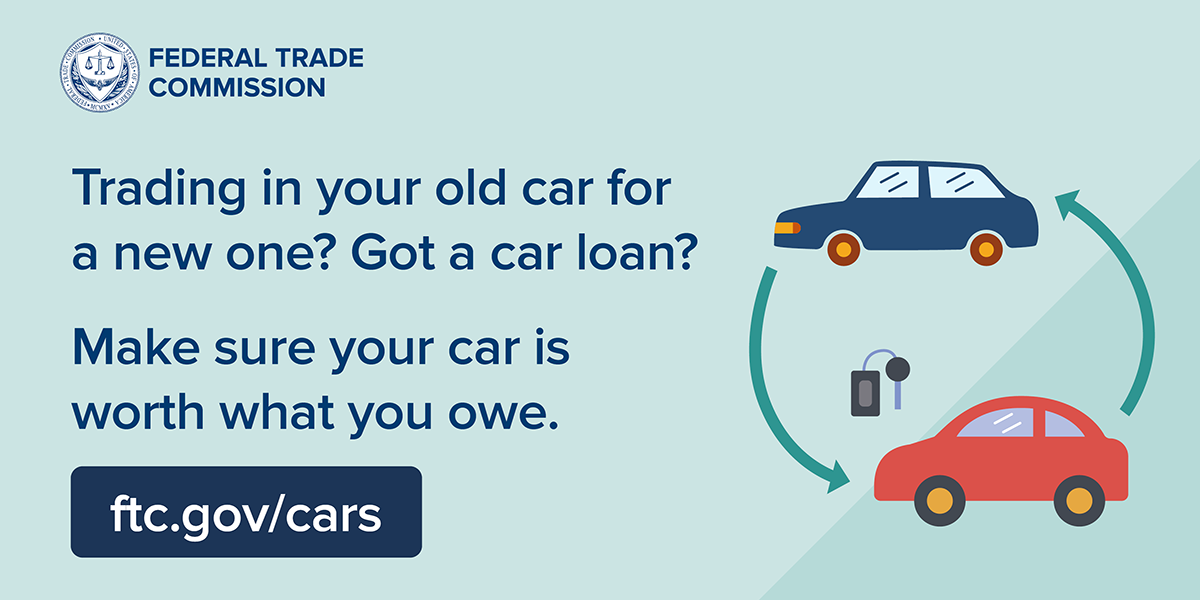
Image Source: consumer.ftc.gov
Selling a Financed Car: The Basics
When you have an outstanding loan on your car, the lender technically owns the vehicle until the loan is fully repaid. This ownership is often indicated by a lien on the car’s title. However, this doesn’t prevent you from selling financed car. It just adds a few extra steps to the process. The core idea is that the proceeds from the sale (or trade-in) must first cover the remaining balance of your car loan.
How Does Trading In a Financed Car Work?
The most common way people handle selling car with loan is through a dealership trade-in. When you trade in vehicle with loan, the dealership will work with your lender to pay off your remaining loan balance.
Here’s a simplified breakdown:
- Determine Your Car’s Value: You’ll need to know what your car is worth.
- Find Out Your Loan Payoff Amount: Contact your lender for the exact amount you owe.
- Calculate the Difference: Compare your car’s value to your loan payoff.
- Dealership Handles the Loan: If your car’s trade-in value is higher than your loan balance, the difference can be applied as a down payment on your new car. If the value is less than the loan balance, you’ll owe the difference.
What if My Car is Worth More Than I Owe? (Positive Equity)
This is the ideal scenario when you sell car with loan. If your car’s market value is higher than your car loan payoff amount, you have positive equity.
- Example:
- Your car is worth $15,000.
- You owe $10,000 on your car loan.
- You have $5,000 in positive equity.
This $5,000 can be used as a down payment on your next vehicle, significantly reducing the amount you need to finance for the new car. This makes using trade-in to pay off loan a very attractive option.
What if My Car is Worth Less Than I Owe? (Negative Equity / Upside Down)
This situation, often referred to as being “upside down” or having negative equity, occurs when your car loan payoff is greater than your car’s current market value.
- Example:
- Your car is worth $10,000.
- You owe $12,000 on your car loan.
- You have $2,000 in negative equity.
When you trade in vehicle with loan and have negative equity, you’ll still need to cover that $2,000 difference. This can happen in a few ways:
- Pay the Difference Out of Pocket: You can pay the $2,000 in cash to the dealership.
- Roll the Difference into Your New Loan: The dealership can add the $2,000 to the loan for your new car. This means you’ll be financing more than the new car’s price, and you’ll pay interest on that difference over time, potentially leading to higher monthly payments and a longer loan term.
Step-by-Step Guide to Trading In Your Financed Car
Navigating the process of selling financed car can seem daunting, but breaking it down into steps makes it manageable.
Step 1: Research Your Current Car’s Value
Before you even set foot in a dealership, you need a realistic idea of what your car is worth. This empowers you during negotiations.
Resources for Valuing Your Car:
- Kelley Blue Book (KBB): Offers a comprehensive valuation tool based on make, model, year, mileage, and condition.
- Edmunds: Similar to KBB, provides fair market value estimates.
- NADA Guides: Another reputable source for vehicle valuations.
- Local Dealership Websites: Many dealerships have online trade-in appraisal tools.
- Online Classifieds (e.g., Craigslist, Facebook Marketplace): Look at similar cars for sale in your area to get a sense of the private party market.
What to Consider for an Accurate Valuation:
- Mileage: Higher mileage generally means a lower value.
- Condition: Mechanical condition, interior wear and tear, and exterior appearance (dents, scratches, rust) play a big role.
- Features and Options: Higher trim levels and desirable options (e.g., sunroof, navigation, premium audio) can increase value.
- Vehicle History: Accidents or major repairs can decrease value. Services like CarFax or AutoCheck can provide this information.
- Location: Car values can vary regionally.
Step 2: Obtain Your Car Loan Payoff Information
This is a crucial step when selling car with loan. You need the exact amount your lender requires to release the lien.
- Contact Your Lender Directly: Call the customer service number on your loan statement or visit their website.
- Request a “Payoff Quote”: Specifically ask for a payoff quote, which is valid for a limited time (usually 7-10 days). This quote includes the principal balance, any accrued interest, and any applicable fees.
- Note the Expiration Date: Make sure you know when the payoff quote expires, as you’ll need to complete the transaction before then.
Step 3: Explore Your Trade-In Options
You have a couple of main avenues when you want to trade in vehicle with loan: a dealership trade-in or a private party sale.
Dealership Trade-In
This is the most straightforward method when you have an outstanding loan.
- Pros:
- Convenience: They handle the paperwork and deal directly with your lender.
- Speed: Transactions can often be completed in a single day.
- Potential for Tax Savings: In many states, you only pay sales tax on the difference between the new car’s price and your trade-in value, not the full price of the new car. This is a significant advantage of a dealership trade-in loan.
- Cons:
- Lower Value: Dealerships typically offer less for trade-ins than you might get in a private party sale because they need to make a profit on reselling the car.
- Negotiation Pressure: You might feel pressured to accept a lower offer.
Private Party Sale
This involves selling your car directly to another individual.
- Pros:
- Higher Potential Price: You can often get more money for your car than a dealership will offer.
- Cons:
- More Complex with a Loan: Private party sale financed car requires more coordination. You’ll need to pay off the loan before you can transfer the title to the buyer. This might involve getting a cashier’s check for the car loan payoff and going to the DMV with your buyer.
- More Time-Consuming: Finding a buyer, arranging viewings, and handling paperwork can take time.
- No Tax Advantage: You won’t get the sales tax break that a dealership trade-in offers.
- Risk: You need to ensure you receive full payment before releasing the vehicle and title.
Step 4: Negotiate Your Trade-In Value at the Dealership
Once you’ve researched your car’s value and know your payoff amount, it’s time to head to a dealership.
- Be Prepared: Have your car’s VIN, mileage, and condition details ready.
- Get Multiple Offers: Visit several dealerships to compare their trade-in offers.
- Focus on the “Out-the-Door” Price: When buying a new car, negotiate the entire deal, including your trade-in, the new car’s price, and any fees, to arrive at a final, all-inclusive price.
- Don’t Be Afraid to Walk Away: If you’re not getting a fair offer, it’s okay to look elsewhere.
Step 5: The Dealership Pays Off Your Loan
This is where the dealership handles the complexity of selling car with loan.
- The Deal: Once you agree on a price for your trade-in and the new car, the dealership will present the paperwork.
- Lender Communication: The dealership will contact your lender, using your payoff quote, to arrange payment.
- Funds Transfer: The dealership will typically send a check or wire transfer to your lender for the car loan payoff.
- Lien Release: Once the lender receives the payment, they will release the lien on your car’s title. The dealership will then receive the title.
- Your New Car: You can then finalize the purchase of your new vehicle.
Scenario: Dealership Trade-in Loan and Negative Equity
If you have negative equity, the dealership will incorporate that amount into your new car financing.
- Example:
- Your trade-in car has a loan payoff of $12,000.
- The dealership offers you $10,000 for your trade-in.
- You owe $2,000 in negative equity.
- You’re buying a new car for $30,000.
- Your new loan will be for $30,000 (new car price) + $2,000 (negative equity) = $32,000.
It’s essential to be aware of how negative equity affects your new loan terms.
Step 6: Completing the Paperwork
You’ll need to sign several documents to complete the transaction.
- Trade-In Vehicle Bill of Sale: This document transfers ownership of your old car to the dealership.
- New Vehicle Purchase Agreement: This outlines the terms of your new car purchase.
- Loan Documents: For your new vehicle.
- Title Application: For your new vehicle.
Make sure to read everything carefully before signing.
Selling a Financed Car Privately: What You Need to Know
While more complex, a private party sale financed car is definitely possible. It requires more effort and careful planning to ensure you correctly handle the selling car with lien aspect.
Key Steps for a Private Sale:
- Get Your Title: The biggest hurdle is getting the physical title. Since your lender holds it, you’ll need to pay off your loan first.
- Pay Off the Loan: You’ll need to arrange payment to your lender for the car loan payoff. This might involve getting a cashier’s check for the exact amount.
- Receive the Lien Release: Once your lender receives payment, they will release the lien and send you the title, or they may release the lien electronically with the DMV.
- Prepare for the Sale: Once you have the clear title, you can advertise your car and prepare for potential buyers.
- Buyer Pays: The buyer will likely want to pay with a cashier’s check or bank wire.
- Transfer Ownership: Once you have verified payment, you’ll sign over the title to the buyer, usually at a bank or DMV to ensure the transaction is secure.
Handling Payment and Title Transfer Securely
When selling financed car privately, payment security is paramount.
- Cashier’s Check: Ensure the buyer obtains it from their bank. You can then go to their bank with them to cash it or verify its authenticity.
- Bank Wire Transfer: The funds are transferred directly from the buyer’s bank to yours.
- Avoid Personal Checks or Money Orders: These can be easily forged or bounced.
Important Note on Selling Car with Lien: You cannot legally sell a car with a lien on it to a private buyer without first paying off the loan and getting the lien released. The buyer needs a clear title to register the car in their name.
Frequently Asked Questions About Trading In a Financed Car
Here are some common questions people have when they want to trade in vehicle with loan:
Q1: What happens if my trade-in value is less than my car loan payoff?
A: If your car’s trade-in value is less than the remaining car loan payoff, you have negative equity. You will need to pay the difference to the dealership, or they can roll that amount into your new car loan, which means you’ll finance more than the price of the new car.
Q2: Can I get cash back if my trade-in value is more than my loan payoff?
A: Yes, if your car’s trade-in value exceeds your car loan payoff, the difference is considered your equity. This equity can be used as a down payment on your new car. If you’re not buying another car, you can technically sell your car, pay off the loan, and keep the remaining cash, though this is less common in a dealership trade-in scenario.
Q3: How do I know my exact car loan payoff amount?
A: Contact your lender directly. Ask for a “payoff quote,” which is a specific amount valid for a short period (usually 7-10 days). This quote includes the principal, interest, and any fees.
Q4: Is it better to trade in my car or sell it privately when I have a loan?
A: Trading in at a dealership is generally more convenient and faster, especially with a loan. You also benefit from potential sales tax savings. A private sale can yield more money but is more complex and time-consuming when dealing with an outstanding loan.
Q5: What if I want to buy a new car but don’t want to trade in my current financed car?
A: You can always sell your current car privately and use the proceeds to pay off your loan. Then, you can purchase your new car outright or finance it separately. However, if you’re looking to sell car with loan and use that money towards a new purchase, a dealership trade-in is the most common route.
Q6: Can I trade in a car with a loan that has a very high interest rate?
A: Yes, you can. However, if you have negative equity, that high interest rate on your old loan, combined with the negative equity, might be added to your new loan, resulting in higher overall borrowing costs. It’s wise to consider if it’s the right financial move.
Q7: What paperwork do I need to trade in my financed car?
A: You’ll need your driver’s license, proof of insurance, and your current car’s registration. The dealership will handle most of the loan payoff and title transfer paperwork with your lender.
Q8: How long does it take for a lender to release the title after payoff?
A: This varies by lender and state. Some lenders release the title electronically to the DMV, while others mail a physical title. It can take anywhere from a few days to a few weeks. Dealerships are accustomed to this and will manage the process.
Q9: Can I use the equity from my trade-in to pay off my car loan entirely?
A: Yes, if your car’s trade-in value is higher than your remaining loan balance, that extra amount is your equity. This equity is applied directly to your car loan payoff, and any remaining equity can be used as a down payment on your new vehicle. This is a prime example of using trade-in to pay off loan.
Conclusion
The ability to sell car with loan or trade in vehicle with loan is a common and often necessary part of upgrading your vehicle. While having an outstanding loan adds layers to the process, it doesn’t create an insurmountable barrier. By researching your car’s value, obtaining your precise car loan payoff amount, and understanding the nuances of dealership versus private sales, you can confidently navigate the transaction. Whether you opt for the ease of a dealership trade-in loan or the potential higher returns of a private party sale financed car, the key is preparation and clear communication with your lender and the buyer. Remember, selling car with outstanding loan is achievable, and in many cases, using trade-in to pay off loan can be a financially savvy move.