
What is AC refrigerant lifespan in a car? AC refrigerant lifespan is not a fixed number; it’s a measure of how long the refrigerant stays in your car’s AC system before needing a top-off or recharge due to leaks. Ideally, a properly sealed AC system should hold its refrigerant charge indefinitely. However, in reality, small leaks are common, leading to gradual refrigerant loss over time, meaning AC refrigerant doesn’t “expire” but rather dissipates due to leaks.
The question of how long AC refrigerant lasts in a car is a common one for vehicle owners. Many assume there’s a set expiration date, much like food or medication. This isn’t the case. Instead, the longevity of your car’s AC refrigerant is directly tied to the integrity of its sealed system. Think of it like a sealed container of water; if the seal is perfect, the water stays inside forever. If there’s a tiny hole, the water will slowly evaporate or leak out. Your car’s AC system operates on a similar principle.
Image Source: res.cloudinary.com
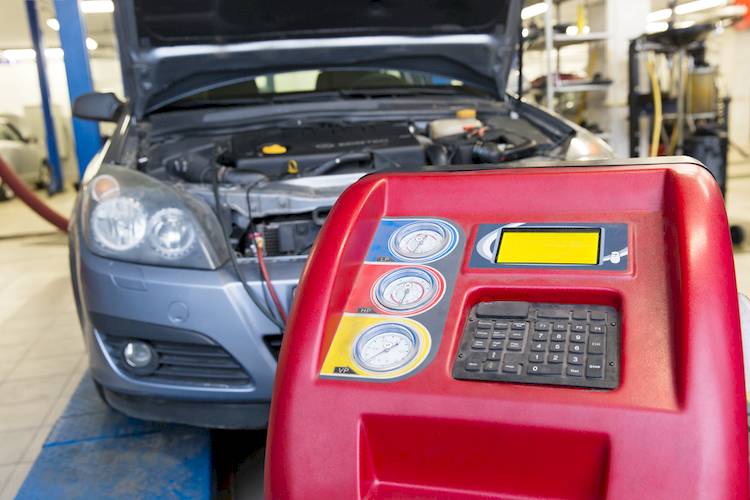
Deciphering Automotive AC Coolant Life
The “coolant” in your car’s AC system is actually a refrigerant, a fluid that undergoes phase changes to absorb heat from your cabin and release it outside. Common refrigerants used in cars include R12 (older vehicles, phased out) and R134a (common in vehicles from the mid-1990s to around 2015), and now increasingly R1234yf (newer vehicles).
The automotive AC coolant life is entirely dependent on whether the system remains sealed. A perfectly sealed system will retain its refrigerant charge for the life of the vehicle. However, automotive AC systems are complex, with numerous hoses, seals, O-rings, and connections that can degrade over time due to vibrations, temperature fluctuations, and exposure to the elements. This degradation can lead to micro-leaks.
How Long Does AC Refrigerant Last? The Leak Factor
The primary reason refrigerant needs replenishment is leakage. The AC refrigerant lifespan is therefore determined by the rate at which leaks occur.
- Ideal Scenario: A perfectly sealed AC system will hold its refrigerant charge indefinitely.
- Realistic Scenario: Most car AC systems will experience some degree of leakage over their lifespan. The rate of leakage can vary significantly.
Car AC recharge frequency is the tangible outcome of refrigerant loss. If your AC stops blowing cold, it’s usually because the refrigerant level has dropped too low to effectively cool the air. This indicates a leak somewhere in the system.
Common Leak Points in AC Systems
Many components within your car’s AC system can be prone to leaks:
- Hoses: Rubber hoses can become brittle, crack, or develop pinholes.
- O-rings and Seals: These small rubber or synthetic rings seal connections between components. They can harden, crack, or get damaged during installation, leading to leaks.
- Compressor Shaft Seal: The seal around the spinning shaft of the AC compressor is a common leak point.
- Condenser: This radiator-like component at the front of your car can be damaged by road debris, leading to leaks.
- Evaporator: Located inside the dashboard, this component can also develop leaks, though these are often harder to detect.
- Schrader Valves: Similar to tire valves, these small valves can develop leaks.
R134a Refrigerant Service Life: A Closer Look
R134a refrigerant service life is a topic of much discussion among car owners. As R134a has been the standard for many years, many drivers are familiar with its performance. While R134a itself doesn’t degrade or lose its cooling capacity, it can escape the system.
In a well-maintained system with no significant leaks, you might not need to recharge the R134a for many years, potentially a decade or more. However, if you find yourself needing a recharge every year or two, you have a leak that needs to be addressed. The refrigerant top-off duration is the period between needing a recharge, and this duration is a direct indicator of leak severity.
Factors Influencing Refrigerant Longevity
Several factors can influence how long your AC refrigerant lasts:
- Age of the Vehicle: Older vehicles tend to have more worn-out seals and hoses, increasing the likelihood of leaks.
- Climate: Extreme temperatures can put more stress on AC system components.
- Driving Conditions: Roads with rough surfaces or heavy debris can increase the risk of physical damage to components like the condenser.
- Quality of Previous Repairs: If the AC system was serviced improperly in the past, it could lead to premature leaks.
- Original Manufacturing Quality: As with any manufactured part, there can be variations in the quality of seals and components.
Signs of Low Refrigerant: What to Watch For
Recognizing the signs of low refrigerant is crucial for timely intervention and to prevent further damage to your AC system. Ignoring these signs can lead to the AC compressor running dry, which can cause significant and expensive damage.
Here are common indicators that your AC system may be low on refrigerant:
- Weak or No Cold Air: This is the most obvious sign. If your AC isn’t as cold as it used to be, or if it blows warm air, refrigerant is likely low.
- AC Compressor Cycling On and Off Frequently: The compressor might kick on for a short period and then shut off prematurely, then cycle back on. This is the system’s way of trying to manage low pressure.
- Grinding or Rattling Noises: If the refrigerant level is very low, the compressor might not be properly lubricated, leading to unusual noises.
- Frost or Ice on AC Lines or Vents: This can occur when refrigerant is low, causing pressure changes that lead to freezing.
- Visible Leaks (Oily Residue): Refrigerant often carries a lubricating oil with it. If there’s a leak, you might see an oily residue around the leaking component.
Car AC System Maintenance: Proactive Measures
Regular car AC system maintenance is key to extending the HVAC system longevity and ensuring your refrigerant lasts as long as possible. Maintenance isn’t just about recharging; it’s about inspecting and preventing issues.
Here’s what constitutes good car AC maintenance:
- Regular System Inspection: Have your AC system checked periodically by a qualified mechanic, especially during routine service intervals.
- Check for Leaks: Even if the AC is still blowing cold, a mechanic can perform a leak test using a fluorescent dye or an electronic leak detector.
- Replace Old Seals and O-rings: If your vehicle is older or has had AC work done, consider replacing older O-rings and seals as a preventative measure.
- Keep the Condenser Clean: The condenser, located at the front of the car, needs good airflow. Keep it free from leaves, bugs, and road debris. You can gently spray it with a hose to clean it.
- Run the AC Regularly: Even in cooler months, running the AC for a few minutes every week or two helps circulate the refrigerant and oil, keeping seals lubricated and preventing them from drying out.
Freon Replacement Interval: Understanding the Nuances
The term “Freon” is often used colloquially to refer to any AC refrigerant. However, Freon is actually a brand name for older refrigerants like R-12, which is no longer used in new vehicles due to environmental concerns. Modern cars use R134a or R1234yf.
Therefore, a Freon replacement interval isn’t applicable to modern vehicles. Instead, we talk about refrigerant service intervals. If your car uses R134a or R1234yf, you won’t have a scheduled “replacement” unless a component fails or a leak is detected.
The car AC recharge frequency is the more relevant metric. A healthy system might go five to ten years or more without needing a recharge. If you’re recharging every year, you have a leak issue that needs professional refrigerant leak detection.
Refrigerant Leak Detection: Finding the Culprit
If you suspect a leak, professional refrigerant leak detection is essential. DIY methods can sometimes be unreliable or incomplete. Technicians use several methods:
- Dye Injection: A fluorescent dye is added to the refrigerant. When the system is run, the dye circulates. A UV light is then used to inspect all components for leaks, where the dye will be visible as a glowing spot.
- Electronic Leak Detectors: These devices are sensitive to the specific gases used as refrigerants. The technician will move the sensor probe along all AC components, and the detector will alert them when it senses refrigerant gas.
- Nitrogen Pressure Test: After recovering the refrigerant, the system is pressurized with dry nitrogen. The technician then listens for hissing sounds or uses a soap solution to identify leak points.
How Long Does an AC Recharge Last?
The duration of an AC recharge—the refrigerant top-off duration—depends entirely on the size of the leak.
- Small Leaks: A small leak might allow the refrigerant level to drop slowly over several months or even a year or two. In this case, a recharge might last a significant time.
- Medium Leaks: A more noticeable leak could cause the system to lose its charge within a few months.
- Large Leaks: A significant leak could mean the refrigerant dissipates within weeks or even days.
It’s vital to understand that simply recharging a leaking system is a temporary fix. The problem will recur, and repeated recharging without fixing the leak is not cost-effective and can be harmful to the environment.
Refrigerant Top-Off Duration: What to Expect
The refrigerant top-off duration is essentially the time between needing a recharge.
- Ideal: Years (if no leaks).
- Common for a minor leak: 1-3 years.
- With a moderate leak: 6 months – 1 year.
- With a significant leak: Weeks to months.
If your recharge lasts less than a year, it’s crucial to have the system inspected for leaks.
Refrigerant Types and Their Longevity
While all refrigerants are susceptible to leaks, the types of refrigerant can have slight differences in their chemical properties and how they interact with system components.
R134a vs. R1234yf
- R134a: This is a hydrofluorocarbon (HFC) and has been the standard for decades. It’s generally stable but can still leak from compromised seals.
- R1234yf: This is a hydrofluoroolefin (HFO). It’s considered more environmentally friendly due to its lower global warming potential (GWP). It also has a low flammability risk. While designed to be efficient and safe, it’s also susceptible to leaks in the same way as R134a. The longevity is still dictated by the system’s integrity.
The Importance of HVAC System Longevity
The vehicle’s HVAC system longevity is directly linked to how well its components are maintained, including the refrigerant charge. A system that is constantly low on refrigerant or suffering from leaks will be under more stress.
- Compressor Strain: When refrigerant is low, the compressor has to work harder and may not be adequately lubricated by the oil carried within the refrigerant. This can lead to premature wear and failure of the compressor, a very expensive part.
- Reduced Efficiency: Even a small loss of refrigerant can significantly reduce cooling efficiency, meaning your AC works harder and consumes more fuel.
- System Component Damage: Other components, like the expansion valve or receiver-drier, can also be affected by improper refrigerant levels and contamination.
Can I Recharge My Car AC Myself?
While DIY AC recharge kits are readily available, it’s generally recommended to have this service performed by a qualified technician. Here’s why:
- Incorrect Refrigerant Type: Using the wrong type of refrigerant can damage your system and is illegal.
- Overcharging or Undercharging: Adding too much or too little refrigerant can cause performance issues and damage.
- Moisture Contamination: If the system isn’t properly evacuated (moisture removed) before recharging, moisture can enter the system, leading to corrosion and component failure.
- Leak Detection: DIY kits do not typically include reliable methods for leak detection. You might be topping off a system that needs a proper repair.
- Environmental Regulations: There are regulations regarding the handling and venting of refrigerants due to their impact on the ozone layer and climate.
When to Seek Professional Help
If you notice any of the signs of low refrigerant or if your AC system isn’t performing as it should, it’s time to visit a professional mechanic. They have the specialized tools and knowledge to:
- Accurately diagnose the cause of the problem.
- Perform proper refrigerant leak detection.
- Safely recover and recharge the system with the correct refrigerant.
- Repair any leaks found.
- Ensure the system is charged to the manufacturer’s specifications.
Frequently Asked Questions (FAQ)
Q1: How often should I recharge my car’s AC?
A: Ideally, you should never need to recharge your car’s AC if the system is perfectly sealed. However, due to minor leaks, you might need a recharge every 5-10 years. If you need it more frequently, it indicates a leak that needs repair.
Q2: What happens if I don’t have enough refrigerant?
A: If you don’t have enough refrigerant, your AC system will not cool effectively, or it may blow warm air. The AC compressor may also cycle more frequently or even shut down to protect itself from damage.
Q3: Can I put R134a in a system designed for R12?
A: No, you cannot directly use R134a in a system designed for R12. The systems are different, and adapters or system conversions are required. Using the wrong refrigerant will damage your AC system.
Q4: Does refrigerant “go bad” or expire?
A: No, refrigerant itself does not expire. It’s a working fluid that circulates within the sealed AC system. Its effectiveness is only reduced when it leaks out of the system.
Q5: My AC worked fine last summer but isn’t now. What’s wrong?
A: This is a common scenario. It likely means that a slow leak has allowed enough refrigerant to escape over the winter months that the system can no longer cool effectively. You’ll need a professional inspection to find and fix the leak.
Q6: How long does a DIY AC recharge kit last?
A: The longevity of a DIY recharge depends on the leak. If the leak is small, it might provide cooling for a few months. However, it’s a temporary solution if the leak isn’t addressed.
Q7: What is the typical lifespan of an automotive AC compressor?
A: An automotive AC compressor can last anywhere from 100,000 to 200,000 miles or more with proper maintenance. However, running a compressor with low refrigerant or without lubrication due to leaks can significantly shorten its lifespan.
In conclusion, the AC refrigerant lifespan in a car is not a set period but rather a reflection of the system’s health. By performing regular car AC system maintenance, being aware of the signs of low refrigerant, and addressing any leaks promptly through professional refrigerant leak detection, you can ensure your car’s HVAC system longevity and enjoy cool air for many years to come. Don’t let a simple recharge be a recurring expense; find and fix the root cause of refrigerant loss.