
Yes, you absolutely can wash your car after getting tints, but it’s crucial to wait for the right amount of time and use specific methods to ensure the longevity and pristine appearance of your new window film. This guide will walk you through everything you need to know about car wash after tint and tinting car maintenance to keep your windows looking great.
Getting your car windows tinted is a fantastic way to enhance its appearance, improve comfort, and protect your interior from damaging UV rays. However, proper after tinting care is essential to prevent issues like bubbling, peeling, or premature degradation of the tint film. One of the most common questions new tint owners have is about washing their vehicles. This comprehensive guide will answer your burning questions and provide you with a clear roadmap for washing tinted windows and maintaining that freshly tinted look.
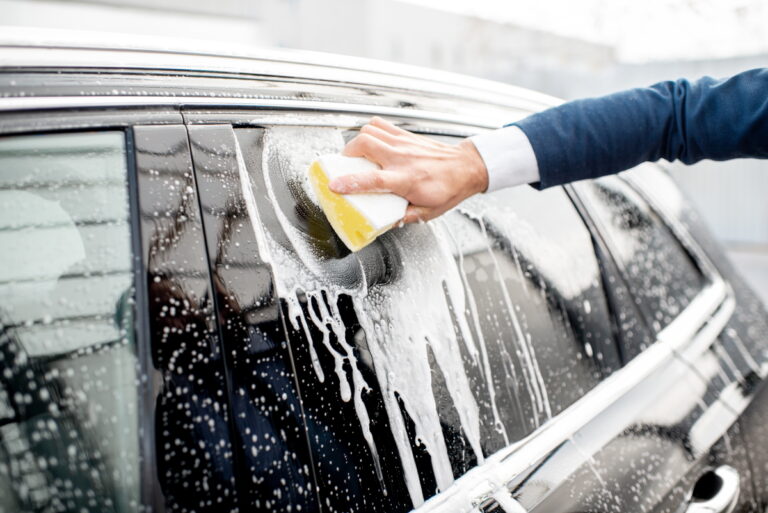
Image Source: qualityautoglasstint.com
The Crucial Waiting Period: When to Wash Tinted Windows
The most critical aspect of window tint washing after installation is patience. The adhesive used to bond the tint to your windows needs time to cure fully. During this curing process, the adhesive solidifies and forms a strong bond with the glass. If you wash your car too soon, you risk disrupting this bonding process, which can lead to significant problems.
How Long Should I Wait?
Most professional window tint installers recommend waiting at least 24 to 72 hours before washing your car. However, it’s best to consult with your specific installer, as the drying and curing times can vary depending on the type of tint, the climate, and the adhesive used. Some high-quality films and adhesives might allow for an earlier wash, while others may require a longer waiting period.
- General Rule of Thumb: 48-72 hours is a safe bet for most situations.
- Installer’s Advice: Always prioritize the advice of your tinting professional. They know the products they use and the conditions your car was in during installation.
- Climate Factors: Hot and humid weather can sometimes speed up curing, while cold and damp conditions can slow it down.
Post Tinting Car Care: What to Do (and Not Do)
The period immediately following tint installation is critical for the film’s performance and appearance. Adhering to proper post tinting car care will ensure your investment lasts for years.
Initial Observations and Precautions
During the initial curing period, you might notice some anomalies:
- Haze or Cloudiness: This is normal. It’s usually trapped moisture within the film that will evaporate over time.
- Small Bubbles or “Orange Peel” Texture: These can also be temporary and may disappear as the film cures and settles. If they persist after the waiting period, contact your installer.
- Edge Imperfections: Minor lifting at the edges might occur, especially in curved areas. Again, if this doesn’t resolve itself as it cures, it needs professional attention.
DO NOT:
- Roll down your windows: Avoid this for at least a few days, or as recommended by your installer, to prevent the tint from peeling away from the edges.
- Use harsh chemicals or abrasive cleaners: Stick to gentle methods for the first few weeks.
- Scrub the tint aggressively: Gentle contact is key.
- Use steam cleaners on the interior side of the tint: The heat can damage the adhesive.
Cleaning Tinted Car: The Do’s
When it’s time to clean your car, cleaning tinted car windows requires a gentle approach. The goal is to remove dirt and grime without damaging the tint film or its adhesive.
Recommended Cleaning Supplies
- Mild Car Wash Soap: Use a pH-neutral car wash soap specifically designed for automotive use. Avoid dish soaps or harsh detergents, as they can strip protective coatings and damage the tint.
- Two Buckets: One bucket with soapy water and another with clean rinse water. This prevents transferring dirt back onto your paintwork or windows.
- Microfiber Wash Mitt: A soft microfiber wash mitt will gently lift dirt without scratching.
- Clean Microfiber Towels: Use plenty of clean, soft microfiber towels for drying. Avoid paper towels, as they can be abrasive and leave lint.
- Ammonia-Free Glass Cleaner: For cleaning the interior of your tinted windows, use a cleaner specifically labeled as ammonia-free. Ammonia can break down the adhesive and damage the tint.
- Spray Bottle: For applying your glass cleaner.
The Gentle Washing Process
When performing tint installation washing, or any wash thereafter:
- Rinse Thoroughly: Begin by rinsing your car with plain water to remove loose dirt and debris. This minimizes the risk of scratching the paint or tint during the washing process.
- Wash from Top to Bottom: Start washing from the roof of your car and work your way down. This ensures that dirty water flows away from already cleaned areas.
- Gentle Soap Application: Dip your wash mitt into the soapy water, then gently wash the tinted windows. Avoid applying excessive pressure.
- Rinse the Mitt Frequently: Rinse your wash mitt in the clean water bucket before dipping it back into the soapy water. This is crucial for preventing scratches.
- Rinse the Car: Once you’ve washed the entire car, rinse it thoroughly with clean water.
- Drying: Use a clean microfiber towel to gently dry the windows and the rest of your car. Blotting and wiping gently is key. Avoid letting water spots dry on the windows, as they can be harder to remove later.
Washing Tinted Windows: Specific Techniques
For washing tinted windows effectively and safely, focus on the technique.
Interior Window Cleaning
Cleaning the inside of your tinted windows requires even more care.
- Ammonia-Free Cleaners: As mentioned, ammonia is the enemy of window tint. Always opt for ammonia-free glass cleaners.
- Microfiber Cloths: Use two clean microfiber cloths. One for applying the cleaner and gently wiping, and the second for buffing to a streak-free shine.
- Gentle Wiping: Spray the cleaner onto the cloth, not directly onto the window, to prevent overspray onto other interior surfaces. Wipe in a consistent direction (e.g., horizontal for one window, vertical for the next) to easily identify streaks.
- Avoid Over-Saturation: Don’t drench the window or the cloth.
Exterior Window Cleaning
The exterior is generally more forgiving, but still requires attention.
- Water Sources: You can use a hose with a gentle spray. Avoid high-pressure washers aimed directly at the tint edges, as this can force water underneath the film and cause peeling.
- Stubborn Grime: For very stubborn dirt or bug splatters, you can use a specialized bug and tar remover, but test it on an inconspicuous area first, and always follow up with a thorough rinse. Ensure the product is safe for tinted windows.
Tint Safe Car Wash: What to Look For
When choosing a tint safe car wash, whether it’s a professional service or a DIY approach, keep these points in mind:
Automatic Car Washes
- High-Pressure Sprays: Many automatic car washes use high-pressure water jets that can potentially lift or damage tint, especially if it wasn’t installed perfectly or has started to age.
- Abrasive Brushes: The brushes used in some automatic car washes can be abrasive and scratch the tint film.
- Detergents: The soaps used may not be tint-safe and could shorten the lifespan of your tint.
Recommendation: It’s generally best to avoid automatic car washes with aggressive brushes and high-pressure jets. If you must use one, look for “touchless” or “soft-touch” washes that use gentler methods. Even then, proceed with caution after the initial curing period.
Professional Detailing Services
- Knowledgeable Staff: Reputable professional detailers are usually aware of the specific needs of tinted windows and will use appropriate products and techniques.
- Inquire About Products: Before booking, ask them about the type of soaps and cleaners they use and if they have experience with tinted vehicles.
Tinting Car Maintenance: Long-Term Care
Beyond washing, there are other aspects of tinting car maintenance to consider for longevity.
Protecting the Tint from Damage
- Sharp Objects: Be mindful of sharp objects that could scratch or puncture the tint, such as seatbelt buckles, keys, or even sharp fingernails.
- Scraping: Never use scrapers or razor blades on your tinted windows, even for stickers, as this will damage the film.
- Interior Adhesives: Avoid sticking adhesive labels or decals directly onto the tinted windows.
Tint Longevity and Warranty
- Installer’s Warranty: Most professional tint installations come with a warranty. Familiarize yourself with the terms and conditions. This typically covers issues like bubbling, peeling, or delamination.
- Professional Re-tinting: If your tint does begin to fail, it’s best to have it professionally removed and re-tinted. DIY removal can be tricky and may damage the glass.
Troubleshooting Common Tint Issues
Even with the best care, you might encounter minor issues.
Haze and Bubbles
- During Curing: As noted, haze and small bubbles are usually normal during the initial curing phase. Give it time.
- After Curing: If significant bubbling or haze appears after the curing period has passed, it’s a sign of a faulty installation or a problem with the film itself. Contact your installer immediately.
Scratches
- Minor Scratches: Small, superficial scratches might be unavoidable over time. They are typically cosmetic.
- Deep Scratches: Deep scratches that penetrate the film will likely require professional attention, potentially involving a re-tint of that window.
Frequently Asked Questions (FAQ)
Here are some common questions about washing cars with window tints:
Q1: Can I use a squeegee on my tinted windows?
A: It’s best to avoid using squeegees on tinted windows, especially during the initial curing period. Even after curing, the rubber edge of a squeegee can potentially catch on the tint’s edge and cause damage or lifting if not used with extreme care. Microfiber towels are a safer alternative for drying.
Q2: What happens if I wash my car too soon after tinting?
A: Washing your car too soon can disrupt the adhesive’s curing process. This can lead to premature peeling, bubbling, or the tint detaching from the glass.
Q3: Can I use Windex on my tinted windows?
A: Never use Windex or any cleaner containing ammonia on your tinted windows. Ammonia can damage the adhesive and the tint film itself, causing it to turn cloudy or peel. Always use ammonia-free glass cleaners.
Q4: How should I clean stubborn dirt or bird droppings off tinted windows?
A: For stubborn dirt or bird droppings, use a gentle car wash soap and a microfiber wash mitt. For very tough spots, you can try a specialized bug and tar remover that is specifically labeled as safe for window tints. Always rinse thoroughly afterward. Avoid scrubbing aggressively.
Q5: Is it okay to use a high-pressure washer on tinted windows?
A: It is generally not recommended to use high-pressure washers directly on tinted windows. The intense spray can force water under the edges of the film, potentially causing it to lift or peel. If you must use one, keep a safe distance and avoid aiming directly at the tint edges.
Q6: How do I clean the inside of my tinted windshield?
A: When cleaning the inside of your tinted windshield, always use an ammonia-free glass cleaner and two clean microfiber cloths. Spray the cleaner onto one cloth, not directly onto the window, and wipe gently. Use the second cloth to buff away any streaks.
Q7: How often should I wash my car after tinting?
A: You can wash your car as often as you normally would, provided you adhere to the proper techniques and waiting periods after installation. Regular, gentle washing is better than letting dirt and grime build up.
Q8: What’s the best way to dry my tinted windows?
A: The best way to dry tinted windows is with clean, soft microfiber towels. Gently blot or wipe the windows. Avoid letting water air dry on the windows, as this can leave water spots that are harder to remove.
By following these guidelines for tint installation washing and ongoing tinting car maintenance, you can ensure your window tints remain in excellent condition, providing you with privacy, comfort, and a stylish look for years to come. Remember, patience and gentle care are key to preserving your tint’s integrity.