
When your car makes strange noises while turning, it can be unsettling. A car making noise when turning is a common issue that can point to various mechanical problems, ranging from simple fixes to more significant repairs. Knowing the likely causes can help you address the problem quickly and safely.
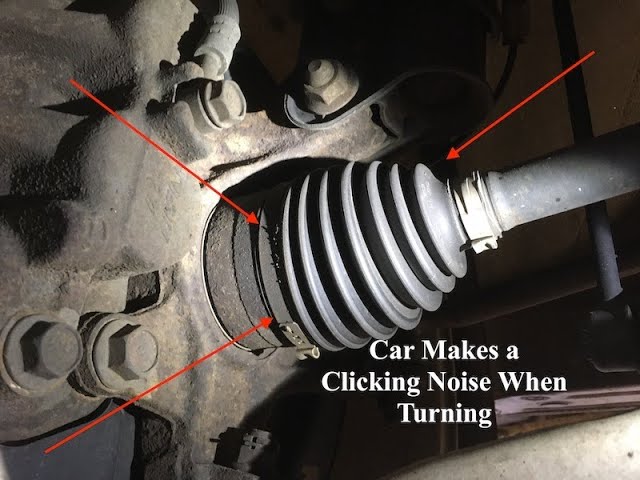
Image Source: i.ytimg.com
Common Culprits Behind Turning Noises
Several parts of your car’s steering and suspension systems work together when you turn. If any of these components are worn, damaged, or not properly lubricated, they can start to make noise. Let’s dive into the most frequent reasons your steering wheel noise when turning might be occurring.
Deciphering the Sounds: What Does the Noise Mean?
The type of noise your car makes can often provide clues about the problem. A car groaning noise when turning might indicate a different issue than a car squealing when turning or a car clicking noise when turning. Paying attention to the specific sound can help pinpoint the source of the problem.
The Sound of a Squeal: What’s Squeaking?
A car squealing when turning is often one of the most noticeable and alarming sounds. This high-pitched noise is typically related to friction.
- Power Steering Fluid Issues: One of the most common reasons for a squealing sound, especially when you turn the steering wheel all the way, is low power steering fluid. When the fluid is low, the power steering pump can suck in air, causing it to whine or squeal. This can also happen if the fluid is old and degraded.
- Serpentine Belt: The serpentine belt drives many of the accessories in your engine, including the power steering pump. If this belt is worn, loose, or glazed, it can slip on the pulleys, especially under load (like when turning the steering wheel), creating a squealing sound.
- Steering Pump Problems: If the power steering fluid is at the correct level and the serpentine belt is in good condition, the squealing might be coming from the power steering pump itself. The pump could be failing or have an internal issue.
The Groaning Effect: What’s Causing the Deep Sound?
A car groaning noise when turning usually suggests a different set of problems, often related to lubrication or pressure within the steering system.
- Low Power Steering Fluid (Again): While often associated with squealing, severely low power steering fluid can also manifest as a groaning sound as the pump struggles to operate.
- Worn Steering Components: Other parts of the steering system, such as the steering rack or the steering gearbox, might be worn. When these components lack proper lubrication or have internal wear, they can produce a groaning or moaning sound as they move.
- Ball Joints: Ball joints are critical suspension components that connect the control arms to the steering knuckles. If they are dry or worn out, they can make a groaning noise, particularly when the suspension is articulated during a turn.
The Click, Click, Click: Identifying the Clicking Noise
A car clicking noise when turning is often a clear indicator of a problem with the Constant Velocity (CV) joints, especially if the noise is more pronounced when turning at lower speeds.
- CV Joints: These are flexible joints that allow the drive shafts to transmit power to the wheels while allowing them to move up and down with the suspension and turn with the steering. The CV joints are protected by rubber boots. If a boot tears, dirt and moisture can enter, and the grease can escape, leading to premature wear and a clicking sound. This is particularly noticeable when turning sharply.
- Wheel Bearings (Less Common for Clicking): While wheel bearings are more commonly associated with humming or grinding, a severely worn wheel bearing could potentially create a clicking sound in some cases, though this is less typical than CV joint issues.
The Grinding Sensation: What’s Rough and Rubbing?
A car grinding noise when turning suggests metal-on-metal contact or a significant issue with rotating components.
- Wheel Bearings: A worn-out wheel bearing is a very common cause of grinding noises. As the bearing deteriorates, the metal surfaces inside can start to grind against each other, creating a rough, sandpaper-like sound that often gets louder with speed and can change when turning. This is a critical component to address promptly.
- Brake Components: Sometimes, brake components can be the source of grinding. A loose or damaged brake dust shield could be rubbing against the rotor. In more severe cases, a stuck brake caliper or worn brake pads could cause grinding. This noise might be more prominent during braking, but it can also be heard when turning if the components shift.
- CV Joint Damage: While clicking is more common, a severely damaged CV joint can sometimes produce a grinding sound as metal parts grind against each other.
The Hum or Drone: What’s This Low Sound?
A car humming noise when turning is often related to the wheels or the power steering system.
- Wheel Bearings: A humming or droning noise that changes pitch or volume when you turn the steering wheel is a classic symptom of a failing wheel bearing. The weight shift during a turn can put more stress on the affected bearing, making the noise more apparent.
- Power Steering Pump or Fluid: As mentioned before, power steering issues can cause various sounds, including a humming noise, especially if the fluid is low or the pump is starting to fail.
Investigating Suspension Noise When Turning
The suspension system is designed to absorb shocks and keep your tires in contact with the road, enabling steering. Any problem here can lead to noises during turns.
Ball Joints: The Pivotal Points
Ball joints are crucial for allowing your wheels to steer and your suspension to move.
- Symptoms: Worn ball joints can produce a range of noises, including clunking, creaking, or groaning sounds, especially when turning or going over bumps. If a ball joint seizes or becomes excessively loose, it can make a loud noise and, in extreme cases, detach, leading to a loss of steering control.
- Inspection: A mechanic can test ball joints for play. Visually, look for torn rubber boots, which indicate that the joint is exposed to the elements and likely degrading.
Tie Rod Ends: Steering Precision
Tie rod ends connect your steering rack to your steering knuckles, allowing you to turn the wheels.
- Symptoms: Similar to ball joints, worn tie rod ends can cause clunking or knocking sounds when turning. They can also lead to vague steering and uneven tire wear.
- Inspection: They have protective boots that can tear. Play in the tie rod end is a sign of wear.
Struts and Shocks: Damping the Ride
While primarily responsible for ride comfort, worn struts or shocks can sometimes contribute to noises when turning.
- Symptoms: Leaking fluid from a strut or shock, or a worn mount, can cause clunking or rattling noises, particularly when the suspension is compressed or extended during a turn.
- Inspection: Look for signs of fluid leaks on the body of the strut or shock. Worn strut mounts can also cause noise.
Sway Bar Links and Bushings: Stability Control
The sway bar (or anti-roll bar) helps reduce body roll during turns. Its links and bushings can wear out.
- Symptoms: Worn sway bar links or bushings can cause clunking, rattling, or creaking noises, especially when one side of the car is compressed more than the other, as happens in a turn.
- Inspection: Check the rubber bushings for cracks or deterioration and the links for looseness.
The Role of Wheel Bearings in Turning Noises
Wheel bearings are essential components that allow your wheels to rotate smoothly. When they fail, the noises can be quite distinctive.
What is a Wheel Bearing?
A wheel bearing is a set of steel balls or tapered rollers housed in a metal ring. It sits inside the wheel hub and allows the wheel to spin freely on the axle.
- Function: They reduce friction between the wheel hub and the axle, enabling smooth rotation.
- Failure: Over time, due to wear, damage from road debris, or lack of lubrication, the lubricant inside the bearing can dry out or become contaminated. This leads to increased friction and heat, causing the bearing to degrade.
Wheel Bearing Noise When Turning: Common Symptoms
- Humming or Grinding: As mentioned, a wheel bearing noise when turning often starts as a hum or grind that gets louder as you increase speed.
- Pitch Change: The noise typically changes pitch or becomes louder when you turn in one direction or the other. For instance, a bad left-side wheel bearing might hum louder when turning right because the weight shifts to the left side.
- Clicking (Less Common): In some advanced stages of wear, a wheel bearing might produce a clicking sound.
Diagnosing a Bad Wheel Bearing
- Listen Carefully: Pay attention to when the noise occurs and if it changes with speed or turning.
- Test Drive: Have a helper listen from outside the car while you drive and turn.
- Jack Test: Safely lift the vehicle and spin the wheels by hand. You might feel roughness or hear grinding from the affected wheel.
- Wiggle Test: With the wheel off the ground, try to wiggle it. Excessive play indicates a failing bearing.
CV Joints: The Cornering Specialists
CV joints are vital for the smooth transfer of power to your wheels, especially when they are turned.
What is a CV Joint?
Constant Velocity joints are found on the drive axles of most front-wheel-drive and many all-wheel-drive and rear-wheel-drive vehicles. They are designed to transmit rotational power at a constant speed, even when the driveshaft is at an angle, which is necessary for steering.
- Types: There are typically two types on each drive axle: an inner CV joint (connecting to the transmission) and an outer CV joint (connecting to the wheel hub). The outer ones articulate more and are more prone to wear.
- Protection: They are covered by flexible rubber boots filled with grease. These boots protect the joints from dirt and moisture.
CV Joint Noise When Turning: The Tell-Tale Click
- The Classic Click: A torn CV boot allows grease to escape and contaminants to enter, rapidly wearing down the joint. The most common symptom of a failing outer CV joint is a distinct car clicking noise when turning, especially at low speeds and when turning the steering wheel sharply.
- Symptoms Progression: Initially, the clicking might only be heard when turning in one direction. As the wear progresses, it may become more constant or audible in both directions.
- Vibration: In later stages, you might also experience vibrations from the front of the car, particularly during acceleration.
Inspecting CV Joints
- Visual Check: Look for torn or cracked CV boots. If you see grease splattered around the wheel area, it’s a strong sign of a damaged boot.
- Listen: During a test drive, focus on any clicking sounds, especially during sharp turns at low speeds.
Other Potential Causes of Turning Noises
While the above are the most common, other issues can also cause noise when turning.
Steering Rack and Pinion
The steering rack and pinion is a gear system that converts the rotational motion of the steering wheel into the linear motion needed to turn the wheels.
- Symptoms: Worn tie rod ends (connected to the rack) can cause clunking. Internal wear within the rack can lead to looseness, clunking, or groaning noises. Leaks from the steering rack can also cause noises and affect steering feel.
Power Steering System (Beyond Fluid Levels)
While low fluid is a prime suspect, other power steering components can fail.
- Power Steering Pump: A failing pump can cause groaning, whining, or even a squealing sound as it struggles to build pressure.
- Steering Column: Issues within the steering column itself, such as worn universal joints or bearing issues, can sometimes produce noises, though these are often felt as much as heard.
Tires
Believe it or not, your tires can sometimes be the source of unusual noises during turns.
- Alignment Issues: If your car’s alignment is severely off, your tires might scrub against the road surface when turning, creating a rubbing or grinding sound.
- Uneven Wear: Tires with significant uneven wear patterns can also produce noise.
Troubleshooting Your Car’s Turning Noise
When you hear a noise while turning, the best approach is to systematically investigate.
Step 1: Identify the Type of Noise
- Clicking: Likely CV joints.
- Squealing: Potentially serpentine belt or power steering fluid/pump.
- Grinding: Most likely wheel bearings, possibly brakes.
- Groaning/Humming: Power steering system, suspension components (ball joints), or wheel bearings.
- Clunking: Suspension components (ball joints, tie rod ends, sway bar links), or steering rack.
Step 2: Note When the Noise Occurs
- Low speed turns: Often CV joints.
- High speed turns: Could be wheel bearings or suspension.
- Sharp turns only: CV joints, power steering.
- Any turn: Could be widespread suspension issue or something more serious.
- Turning left vs. right: Helps isolate which side is affected, especially for wheel bearings.
Step 3: Visual Inspection (Safely!)
- Check Tire Boots: Look for torn CV boots.
- Check Fluid Levels: Inspect the power steering fluid reservoir.
- Look for Leaks: Examine suspension components and steering rack for any fluid leaks.
- Inspect Belts: Check the serpentine belt for cracks or looseness.
Step 4: Professional Diagnosis
While you can do a preliminary check, many of these issues require professional tools and expertise to diagnose and repair accurately.
When to Seek Professional Help
Anytime your car makes unusual noises, especially those related to steering and suspension, it’s crucial to address them promptly. Ignoring these sounds can lead to:
- Reduced Safety: Worn steering or suspension components can compromise your ability to control the vehicle.
- Further Damage: A minor issue left unaddressed can escalate into a more significant and costly repair. For example, a torn CV boot can quickly ruin the entire CV joint.
- Compromised Ride Comfort: Suspension noises will generally make your ride less comfortable.
A qualified mechanic can properly diagnose the source of the noise and recommend the necessary repairs to ensure your car is safe and reliable.
Frequently Asked Questions (FAQ)
Q1: Can I drive my car if it’s making noise when turning?
A1: It depends on the type of noise. If it’s a light squeal or hum that only occurs at very low speeds, you might be able to drive a short distance to a mechanic. However, if you hear clicking, grinding, or loud clunking, it’s best to avoid driving the vehicle as it could indicate a critical failure that compromises safety.
Q2: How much does it cost to fix a car turning noise?
A2: The cost varies widely depending on the cause. Replacing a CV joint might cost anywhere from $200-$500 per joint. Replacing a wheel bearing could be $150-$400. Power steering fluid top-offs are usually inexpensive, but a pump replacement can be $500-$800 or more. Suspension components can also range from $100-$500 per item, plus labor.
Q3: Is it safe to ignore a clicking noise when turning?
A3: No, it is not safe to ignore a clicking noise when turning. This is a strong indicator of a failing CV joint, which is a critical component for transmitting power to your wheels and maintaining steering. A severely worn CV joint could break, leading to a loss of power and control of the vehicle.
Q4: My car makes a groaning noise when turning the steering wheel, even when stationary. What could it be?
A4: A groaning noise when turning the steering wheel while stationary often points to issues within the power steering system. This could be low power steering fluid, a failing power steering pump, or air in the system. It could also potentially be a worn steering rack or a universal joint in the steering column that needs lubrication or replacement.
Q5: My car is making a grinding noise when turning. What should I do?
A5: A grinding noise is often more serious. The most common causes are a failing wheel bearing or issues with the brake components (like a bent dust shield rubbing against the rotor). It’s recommended to have your car inspected by a mechanic as soon as possible to prevent further damage and ensure safety.
By paying attention to the specific sounds your car makes and seeking professional help when needed, you can keep your vehicle running smoothly and safely.