
A clicking sound from your car can be a puzzling experience. This article delves into the common reasons behind this persistent noise, helping you pinpoint the source and understand potential solutions.
Image Source: s7d1.scene7.com
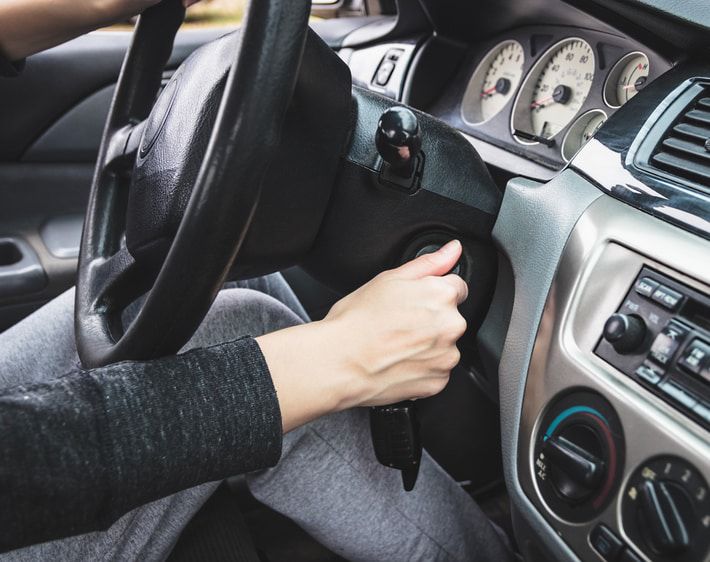
Deciphering the Sources of Car Clicking Noises
When your car starts making a clicking sound, it’s a clear indication that something isn’t quite right. This seemingly small noise can originate from a variety of systems within your vehicle, from the engine to the wheels. Diagnosing the exact cause often depends on when and where the clicking occurs. Is it when you start the car, turn a corner, brake, or even just while idling? These details are crucial clues.
Many drivers find themselves asking, “What is the cause of this car making noise?” or “Can I safely ignore a clicking sound?” Generally, it’s best not to ignore any strange car sounds, especially persistent clicking, as it can signal issues that may worsen over time or even lead to more significant problems and costly repairs. This guide will help you navigate the labyrinth of possible causes for that irritating clicking sound.
Common Culprits Behind Engine Clicking
The engine bay is a hub of activity, and various components can produce clicking sounds.
Starter Clicking: The Sound of Ignition Trouble
When you turn the key to start your car and hear a rapid clicking noise, it often points to an issue with the starting system. This is a classic symptom of a starter clicking problem.
- Weak Battery: The most common reason for a starter clicking is a battery that doesn’t have enough power to turn the engine over. The starter solenoid engages, but there isn’t enough juice to crank the engine.
- Faulty Starter Motor: The starter motor itself might be worn out or damaged. The solenoid might engage, but the motor doesn’t spin, resulting in a click.
- Corroded or Loose Battery Terminals: Poor connections prevent the battery’s power from reaching the starter.
- Bad Starter Solenoid: The solenoid is an electrical switch that engages the starter motor. If it’s faulty, it might click but not send power to the motor.
Belt Clicking: A Sign of Wear and Tear
Belts in your engine bay, like the serpentine belt or timing belt, can also produce clicking sounds if they are worn, loose, or if an accessory driven by the belt is failing. Belt clicking is often more pronounced when the engine is cold or under load.
- Loose Belt: A belt that is too loose can slip on the pulleys, creating a high-pitched clicking or squealing sound.
- Worn Belt: A cracked, frayed, or glazed belt may not grip the pulleys properly, leading to slipping and clicking.
- Failing Pulley or Accessory: A bearing in a pulley (like an idler pulley or tensioner pulley) or an accessory (like an alternator, power steering pump, or AC compressor) can fail. As the belt turns the failing component, it can cause a clicking or grinding noise.
Engine Internal Clicking: Deeper Mechanical Issues
Sometimes, engine clicking can point to more serious internal problems. These sounds are often more subtle and may be mistaken for other noises.
- Low Oil Level or Pressure: Insufficient lubrication can cause internal engine parts to make contact and click. This is a critical issue that requires immediate attention.
- Valve Train Issues: Components like lifters, rocker arms, or camshafts can wear out. When they lack proper lubrication or are damaged, they can create a ticking or clicking sound.
- Exhaust Leak: A small leak in the exhaust manifold or gasket can sometimes produce a ticking sound, especially when the engine is cold, as exhaust gases escape under pressure.
Transmission Clicking: Signs of Gearbox Trouble
The transmission is responsible for transferring power from the engine to the wheels. Clicking sounds originating from this area can indicate problems with the gears, fluids, or other internal components. Transmission clicking might be more apparent when shifting gears or accelerating.
- Low Transmission Fluid: Like engine oil, transmission fluid is vital for lubrication and cooling. Low fluid levels can cause internal components to grind and click.
- Worn Gears or Bearings: Over time, gears and bearings within the transmission can wear down. This wear can lead to clicking or grinding noises, especially under load.
- Torque Converter Issues: In automatic transmissions, the torque converter can sometimes develop internal issues that manifest as clicking sounds.
- CV Joints (Front-Wheel Drive/All-Wheel Drive): While often associated with wheel clicking, worn Constant Velocity (CV) joints on the drive axles can also produce clicking noises, particularly when turning.
Wheel Clicking: What’s Happening Near Your Tires?
Clicking sounds that seem to come from the vicinity of your wheels are common and can be attributed to several factors. Wheel clicking is often noticeable when turning or at specific speeds.
- CV Joints: As mentioned, worn CV joints are a very common cause of clicking, especially when turning. The outer joint allows the wheel to turn while still receiving power. When it wears out, the metal-on-metal contact produces a distinct clicking sound.
- Wheel Bearings: A failing wheel bearing can sometimes produce a clicking or grinding sound. This noise often changes with speed and may be louder when turning in one direction than the other.
- Brake Components: Sometimes, a loose brake pad, a warped rotor, or debris caught in the brake assembly can cause a clicking sound as the wheel rotates.
- Loose Lug Nuts: While less common for a consistent clicking, very loose lug nuts could potentially cause a rhythmic click as the wheel spins.
Exhaust Clicking: Not Always a Major Concern
The exhaust system channels gases away from the engine. While exhaust leaks can cause ticking, other clicking sounds might arise from different parts of the system. Exhaust clicking can sometimes be mistaken for other engine or transmission noises.
- Heat Shields: Thin metal heat shields that surround exhaust components can become loose or corroded. As the exhaust heats up and expands, these shields can vibrate and click. This is often more noticeable on startup or after the engine has been running.
- Loose Exhaust Hangers or Clamps: If any part of the exhaust system is not securely fastened, it can rattle or click against the underbody of the car.
- Catalytic Converter Issues: While more likely to cause rattling, internal damage to a catalytic converter could potentially produce a clicking sound in some rare cases.
Fuel Pump Clicking: An Audible Indicator
The fuel pump clicking sound is usually heard when you turn the ignition key to the “on” position, before you start the engine. This is normal operation for many fuel pumps. The pump primes the fuel system by building pressure. However, if the clicking is unusually loud, persistent, or occurs when the engine is running, it could signal a problem.
- Normal Operation: Most modern electric fuel pumps make a brief humming or clicking sound when the ignition is turned on as they pressurize the fuel lines.
- Failing Fuel Pump: If the clicking is excessively loud, erratic, or continues while the engine is running, it might indicate that the fuel pump is struggling or beginning to fail. This can lead to fuel delivery issues and poor engine performance.
Suspension Clicking: Impacting Ride Quality
The suspension system absorbs shocks and keeps your wheels in contact with the road. Issues here can lead to clicking sounds, especially when going over bumps or uneven surfaces. Suspension clicking can impact your driving comfort and safety.
- Ball Joints: Worn ball joints, which connect the control arms to the steering knuckles, can develop play and make a clicking or popping sound when the suspension moves.
- Tie Rod Ends: Similar to ball joints, worn tie rod ends in the steering system can cause clicking or knocking sounds, particularly when turning.
- Sway Bar Links: These links connect the sway bar to the suspension. If they are worn or loose, they can click or rattle as the suspension articulates.
- Strut Mounts: The top mounts of your struts can wear out, leading to clicking or popping noises when turning or hitting bumps.
Troubleshooting: Pinpointing the Noise
To effectively address a clicking sound, you need to gather as much information as possible.
When Does the Clicking Occur?
- When Starting the Engine: Likely a starter, battery, or connection issue.
- When Turning: Points towards CV joints, tie rod ends, ball joints, or steering components.
- When Braking: Could be brake hardware, but less common for a persistent click.
- When Accelerating: May indicate CV joints, transmission, or engine issues.
- When Idling: Could be an accessory belt, pulley, or an internal engine component.
- When Going Over Bumps: Suggests suspension components like sway bar links or ball joints.
- Constantly (at different speeds): Might be wheel bearings, brake issues, or something rotating.
Where Does the Clicking Seem to Come From?
- Front of the Car: Engine, transmission (if FWD), suspension, or brakes.
- Rear of the Car: Transmission (if RWD), differential, or rear suspension.
- Underneath the Car: Exhaust system or transmission.
- Near a Specific Wheel: CV joint, wheel bearing, or brakes on that side.
Diagnostic Steps to Take
- Listen Carefully: Try to isolate the sound’s location and timing. Is it faster or slower than the engine speed? Does it change with road speed or engine RPM?
- Check Fluid Levels: Ensure your engine oil and transmission fluid are at the correct levels and appear clean.
- Visual Inspection: Look for anything obviously loose, damaged, or out of place in the engine bay, under the car, and around the wheels.
- Test Drive: If it’s safe, drive the car slowly and perform actions that trigger the noise (e.g., turning gently, braking lightly) to help identify its origin.
When to Seek Professional Help
While some clicking sounds are minor, others can be serious. If you are unsure about the cause or if the clicking is accompanied by other symptoms like:
- Loss of power
- Vibrations
- Warning lights on the dashboard
- Difficulty steering or braking
It’s crucial to have your vehicle inspected by a qualified mechanic. They have the specialized tools and expertise to accurately diagnose strange car sounds and perform the necessary repairs.
Common Causes and Their Potential Fixes
| Clicking Sound Origin | Likely Cause | Potential Solution |
|---|---|---|
| Starter Clicking | Weak battery, loose terminals | Charge or replace battery, clean and tighten terminals. |
| Faulty starter motor or solenoid | Replace starter motor or solenoid. | |
| Belt Clicking | Loose or worn serpentine belt | Tighten or replace belt. |
| Failing pulley bearing (idler, tensioner) | Replace the faulty pulley. | |
| Failing accessory (alternator, pump, etc.) | Diagnose and repair or replace the failing accessory. | |
| Engine Clicking | Low oil level/pressure | Check and top off oil, investigate oil pressure issues. |
| Valve train wear (lifters, rockers) | Engine overhaul or specific component replacement. | |
| Exhaust leak | Repair exhaust manifold gasket or cracks. | |
| Transmission Clicking | Low transmission fluid | Top off transmission fluid, check for leaks. |
| Worn transmission gears or bearings | Transmission repair or replacement. | |
| Wheel Clicking | Worn CV joints | Replace CV axle or CV joint. |
| Worn wheel bearing | Replace wheel bearing. | |
| Loose brake components | Inspect and repair brake system. | |
| Exhaust Clicking | Loose heat shield | Re-secure or replace heat shield. |
| Loose exhaust hanger/clamp | Tighten or replace hangers/clamps. | |
| Fuel Pump Clicking | Normal priming (brief, before start) | No action needed. |
| Failing fuel pump | Replace fuel pump. | |
| Suspension Clicking | Worn ball joints, tie rod ends, or sway bar links | Replace worn suspension components. |
| Worn strut mounts | Replace strut mounts. |
Frequently Asked Questions (FAQ)
Q1: Can a clicking sound from my car just go away on its own?
A1: While some minor issues might temporarily resolve, most clicking sounds indicate wear or damage that will likely worsen over time if not addressed. Ignoring them is generally not recommended.
Q2: Is it safe to drive my car if it’s making a clicking sound?
A2: This depends heavily on the source of the click. If the clicking is related to steering, braking, or the starter, it’s best to avoid driving and seek professional help immediately. If it’s a minor noise you can’t pinpoint, drive cautiously and get it checked as soon as possible.
Q3: How much does it cost to fix a clicking sound?
A3: The cost varies dramatically. A loose heat shield might be a simple fix costing under $100, while a transmission repair could run into thousands of dollars. Diagnosing the exact cause is the first step to estimating repair costs.
Q4: Can I try to fix a clicking sound myself?
A4: If you have significant mechanical experience and the right tools, you might be able to tackle some simpler issues like tightening a loose heat shield or checking battery terminals. However, for most clicking sounds, especially those related to the engine, transmission, or suspension, professional diagnosis and repair are recommended for safety and effectiveness.
Q5: Does the type of clicking sound matter (e.g., fast vs. slow)?
A5: Yes, the rhythm and speed of the click can be a significant clue. A rapid clicking during starting often suggests electrical issues (like a weak battery), while a click that increases with vehicle speed might point to wheel bearings or CV joints. A click that matches engine RPM could be internal engine or belt-related.