
Yes, you can absolutely own a car on disability. Disability benefits themselves don’t typically prevent car ownership, but the primary considerations revolve around your ability to afford and maintain a vehicle, and how your disability might impact driving and accessibility. This guide aims to illuminate the path for individuals with disabilities looking to achieve car ownership and explore various disability transport solutions.
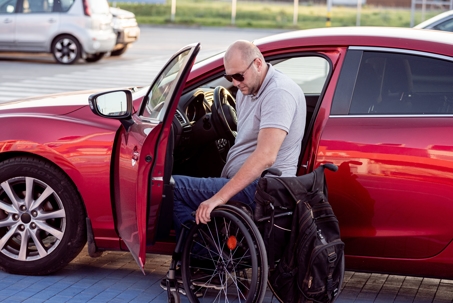
Image Source: www.feldmanlawgroup.com
Navigating Car Ownership with a Disability
For many individuals with disabilities, owning a car is not just a matter of convenience; it’s a vital tool for independence, employment, healthcare access, and social engagement. The ability to travel on your own terms, without relying on others or public transport, can significantly enhance quality of life. This guide will delve into the various aspects of car ownership for mobility impaired individuals, from initial considerations to financing and vehicle adaptations.
Essential Considerations Before Purchasing
Before embarking on the journey to purchase a car, several crucial factors need careful deliberation. These are foundational to a successful and sustainable ownership experience.
Assessing Your Needs
The first step is to accurately assess your individual needs. This isn’t just about personal preference; it’s about practicality and ensuring the vehicle meets your specific requirements.
- Mobility: How do you navigate your environment? Do you use a wheelchair, walker, or other mobility aids? This will directly influence the type of vehicle and any necessary adaptations.
- Driving Ability: Can you drive yourself? If so, do you have any specific driving limitations that might require specialized controls? If not, who will be driving you, and what are their needs?
- Frequency of Use: How often will you be using the car? Will it be for daily commutes, occasional errands, or long-distance travel? This impacts fuel costs, maintenance schedules, and the overall suitability of the vehicle.
- Passenger Needs: Do you need to transport others? If so, consider their space and comfort requirements. This is particularly important if you are a caregiver or have family members who rely on your transport.
- Budget: What is your realistic budget for purchasing, insuring, and maintaining a vehicle? This is a critical factor that will guide your choices.
Understanding Your Disability Benefits and Car Ownership
It’s a common concern: will owning a car affect my disability benefits? In most cases, owning a car will not directly reduce your basic disability allowance. However, there are nuances to consider, particularly with certain types of benefits or specific programs.
- Means-Tested Benefits: If your disability benefit is means-tested (meaning its amount depends on your income and assets), acquiring a car might increase your assets. However, many countries have provisions that exempt vehicles essential for transport from being counted as assets, or they are only valued at a reduced rate. It’s crucial to check the specific rules for your benefits.
- Mobility Allowances: If you receive a mobility allowance, this money is specifically intended to help with the costs associated with disability-related mobility issues. Purchasing a car can often be a very sensible use of this allowance.
- Government Programs: Many governments offer programs that support disabled individuals in obtaining vehicles. These programs often have specific eligibility criteria, and owning a car might be a prerequisite or a desired outcome of these support schemes.
It is always best to contact the relevant government agency or benefit provider to clarify how car ownership might interact with your specific disability benefits. This avoids any potential misunderstandings or unexpected consequences.
Exploring Options for a Disabled Vehicle Purchase
The process of a disabled vehicle purchase can be approached in several ways, each with its own advantages. Understanding these options is key to finding the best fit for your situation.
New vs. Used Vehicles
- New Vehicles: Offer the latest technology, warranties, and the peace of mind that comes with a vehicle that has no prior history. However, they come with a higher initial cost.
- Used Vehicles: Can be a more affordable option, allowing you to get more for your money. However, it’s essential to ensure the vehicle is in good condition and has a reliable service history. For adapted vehicles, finding a suitable used one can be more challenging.
Motability Scheme and Similar Programs
For individuals in the UK, the Motability scheme is a well-known and highly effective way to obtain a car, scooter, or powered wheelchair.
- How Motability Works: The scheme allows eligible individuals to exchange their higher rate mobility component of Disability Living Allowance (DLA) or Personal Independence Payment (PIP) for a lease on a new car. This lease often includes insurance, breakdown cover, and servicing.
- Benefits: The primary advantage is the ability to acquire a new vehicle with all associated costs largely managed, making budgeting much simpler. Many vehicles on the scheme are available with no or very low advance payments.
- Eligibility: You generally need to have at least 12 months remaining on your award of DLA or PIP to qualify.
Other countries may have similar government-backed or charitable schemes designed to assist disabled individuals with vehicle acquisition. Researching local initiatives is highly recommended.
Grants and Financial Assistance for Disabled Drivers
Accessing financial assistance for disabled drivers can significantly ease the burden of purchasing a vehicle. Various sources of funding are available.
- Government Grants: Some governments provide grants specifically for purchasing adapted vehicles or for vehicle adaptations themselves. These are often means-tested or disability-specific.
- Charitable Trusts and Foundations: Many charities focus on supporting individuals with disabilities and may offer grants or interest-free loans for vehicle purchases or adaptations. Examples include the Royal Association for Disability and Rehabilitation (Riada) in the UK or similar organizations globally.
- Veterans’ Benefits: If your disability is service-related, you may be eligible for specific grants or programs through national veterans’ affairs departments.
Vehicle Adaptations for Disability
For many, a standard car isn’t suitable. Vehicle adaptations for disability are modifications that make driving or being transported easier and safer. The type and extent of adaptations depend entirely on the individual’s needs.
Types of Adaptations
Adaptations can range from simple modifications to complex technological solutions.
- Driving Controls:
- Hand Controls: For individuals who cannot use their legs to operate the pedals. These can include push/pull levers, spinner knobs, and thumb controls.
- Left Foot Accelerators: For those who can use their right foot for braking but not acceleration.
- Steering Aids: Such as spinner knobs, knuckle or palm grips to assist with steering control.
- Pedal Extensions: To bring the pedals closer to the driver.
- Accessing the Vehicle:
- Wheelchair Hoists and Lifts: To mechanically load a wheelchair into the vehicle.
- Ramps: For manual or powered deployment to allow wheelchair users to drive or be pushed into the vehicle.
- Swiveling Seats: To make it easier for individuals to get in and out of the car.
- Door Openers: Automatic door openers for greater independence.
- Seat Modifications:
- Specialist Seating: Ergonomic seats designed for specific postural needs.
- Seat Lifts: To help individuals rise from their seat.
- Visibility Aids:
- Larger Mirrors: For improved rear visibility.
- Parking Sensors and Cameras: To assist with maneuvering.
Finding Reputable Adaptation Specialists
It’s crucial to work with qualified and experienced professionals for vehicle adaptations.
- Certification: Look for installers certified by relevant industry bodies.
- Assessment: A thorough assessment by an occupational therapist or a mobility specialist can help determine the most appropriate adaptations.
- Warranty: Ensure that any adaptations come with a warranty for parts and labor.
The Role of the Blue Badge Parking Permit
The Blue Badge parking permit is a vital resource for many individuals with disabilities, granting access to designated disabled parking bays, which are typically closer to destinations and larger in size.
- Eligibility: Eligibility criteria vary by country and region but generally include individuals with significant mobility impairments or those who are blind. Having a vehicle, whether owned or driven by a Blue Badge holder, is often a key factor in the application process.
- Benefits:
- Access to closer parking spaces.
- Often allows parking for longer periods than non-badge holders.
- May provide exemptions from certain parking charges or restrictions.
- Application Process: Applications typically involve a review of medical evidence and may require a functional assessment.
Financing Your Vehicle
Purchasing a car, especially one with adaptations, can be a significant financial commitment. Exploring various financing avenues is essential.
Traditional Loans and Financing
- Car Dealership Financing: Many dealerships offer financing options. It’s important to compare interest rates and terms with other lenders.
- Bank Loans: Personal loans from banks or credit unions can be used to purchase a vehicle.
- Secured Loans: Using savings or other assets as collateral might secure a loan with a lower interest rate.
Specialized Finance for Adapted Vehicles
Some lenders and schemes specialize in financing vehicles, including those with adaptations.
- Motability (UK): As mentioned, this scheme often involves an advance payment, but the overall lease cost is managed.
- Charitable Loans: Some charities offer low-interest or interest-free loans specifically for essential purchases like adapted vehicles.
Understanding Purchasing a Car with a Disability Allowance
When purchasing a car with a disability allowance, the key is to ensure the allowance is used effectively and that the purchase doesn’t negatively impact other benefits.
- Budgeting: Create a detailed budget that includes not only the purchase price but also ongoing costs like insurance, fuel, maintenance, and taxes.
- Disability-Specific Insurance: Some insurance providers offer specialized policies for adapted vehicles or drivers with disabilities. It’s worth shopping around.
- Tax Exemptions/Reductions: Depending on your location and disability status, you may be eligible for tax exemptions or reductions on vehicle purchase or ownership.
Legal and Administrative Aspects
Owning a car involves legal responsibilities and administrative tasks.
Vehicle Registration and Licensing
- Registration: The vehicle must be registered with the relevant authorities in your name or in the name of a nominated driver if you are not driving.
- Driver Licensing: If you are driving, ensure your driver’s license is up-to-date and any necessary endorsements for adapted controls are present.
Insurance
- Comprehensive Insurance: Essential for protecting your investment.
- Modified Vehicle Insurance: Inform your insurer about all adaptations, as this can affect the premium. Some insurers may charge more for adapted vehicles due to the cost of repairs or the nature of the adaptations.
- Driver’s Insurance: If someone else will be driving you regularly, ensure they are covered on your policy, or consider separate insurance if they use the vehicle independently.
Maintenance and Servicing
- Regular Servicing: Essential for all vehicles, but even more so for adapted vehicles, as adaptations also require periodic checks and maintenance.
- Specialist Servicing: Some adaptations may require servicing by specialized technicians.
Case Studies: Real-Life Scenarios
To illustrate how car ownership can work, let’s consider a couple of hypothetical scenarios.
Scenario 1: Sarah, a Wheelchair User
Sarah has a spinal cord injury and uses a wheelchair. She receives a mobility allowance as part of her disability benefits. She needs a vehicle she can drive herself or be a passenger in comfortably.
- Option: Sarah explores the Motability scheme and finds a WAV (Wheelchair Accessible Vehicle) with a ramp and lowered floor. She uses her mobility allowance to cover the lease, with a small advance payment for a premium vehicle.
- Adaptations: The WAV comes with a powered ramp and wheelchair securing system as standard. She also opts for a steering wheel spinner knob for easier steering.
- Outcome: Sarah can now independently travel to work, appointments, and social events, significantly improving her quality of life.
Scenario 2: David, a Driver with Limited Leg Mobility
David has multiple sclerosis, which affects the strength and control in his legs. He can still drive but needs assistance with the pedals.
- Option: David researches vehicles and finds a suitable used car. He applies for grants for accessible vehicles and receives a grant to cover the cost of hand controls.
- Adaptations: He has hand controls fitted by a certified specialist, allowing him to operate the accelerator and brake with his hands.
- Financing: He finances the car through a personal loan from his bank, using his disability allowance to make the monthly payments.
- Outcome: David retains his independence and ability to drive himself to his part-time job and community activities.
Frequently Asked Questions (FAQ)
Q1: Will buying a car affect my disability benefits?
A1: Generally, owning a car does not affect your basic disability allowance. However, if your benefits are means-tested, the car may be considered an asset. Many systems exempt vehicles essential for transport or value them at a reduced rate. It’s crucial to check with your specific benefit provider.
Q2: What is the Motability scheme?
A2: The Motability scheme (primarily in the UK) allows eligible individuals to exchange their higher rate mobility allowance for a lease on a new car, scooter, or powered wheelchair. This often includes insurance, breakdown cover, and servicing.
Q3: How can I get help with the cost of a disabled vehicle purchase?
A3: You can explore government grants, financial assistance programs for disabled drivers, and grants from charitable trusts and foundations. Researching local and national resources is key.
Q4: What are vehicle adaptations for disability?
A4: These are modifications made to a vehicle to make it easier and safer for individuals with disabilities to drive or be transported. Examples include hand controls, wheelchair ramps, and specialized seating.
Q5: How do I find out if I’m eligible for a Blue Badge parking permit?
A5: Eligibility criteria vary by region but typically focus on significant mobility impairments. You will need to apply through your local authority and provide medical evidence.
Q6: Can I use my disability allowance to pay for car insurance?
A6: Yes, your disability allowance is intended to help with mobility-related expenses, which can include car insurance, fuel, maintenance, and adaptations.
Q7: Where can I find specialist help for vehicle adaptations?
A7: Look for certified and reputable adaptation specialists. Occupational therapists or mobility advisors can often recommend trusted providers.
Q8: What are disability transport solutions?
A8: These are various options and services that help individuals with disabilities travel. Owning a car with adaptations is one primary solution, but others include accessible public transport, specialized taxi services, and community transport schemes.
Q9: Is it possible to purchase a car with a disability allowance if I don’t drive myself?
A9: Yes, if the car is essential for your transport needs (e.g., being driven by a caregiver or family member), you can often use your disability allowance to contribute towards its purchase and upkeep.
Q10: What are the ongoing costs of owning a car on disability?
A10: Beyond the purchase price, ongoing costs include insurance, fuel, regular maintenance, repairs, potential MOT/inspection fees, and any costs associated with adaptations. Budgeting carefully for these is vital.
Owning a car while living with a disability is an achievable goal that can profoundly impact independence and mobility. By thoroughly researching your options, understanding the available financial support, and carefully assessing your needs, you can navigate the path to car ownership successfully.