

Do you ever get frustrated when your favorite show suddenly pixelates or the picture freezes? It’s like the TV is playing a game of hide-and-seek with the signal! Many people face this problem, and it can be a real bummer, especially when you’re trying to enjoy a movie or a big game. Choosing the right TV signal amplifier can feel like navigating a maze, with so many different types and features to consider. You want a clear picture, not more headaches!
This is where we come in. By the end of this post, you’ll understand what a TV signal amplifier actually does and why it’s important. We’ll break down the confusing jargon and help you figure out which amplifier will work best for your home. Get ready to say goodbye to fuzzy channels and hello to a crystal-clear viewing experience!
Our Top 5 Tv Signal Amplifier Recommendations at a Glance
| Image | Product | Rating | Links |
|---|---|---|---|
 |
THE CIMPLE CO Antenna Amplifier Kit | 8.6/10 | Check Price |
 |
GE Indoor TV Antenna Amplifier | 8.7/10 | Check Price |
 |
Channel Master TV Antenna Booster 4-4-Port TV Antenna Distribution Amplifier | 8.8/10 | Check Price |
 |
TV Antenna Amplifier Signal Booster | 8.8/10 | Check Price |
 |
GE 4-Way HD Digital TV Antenna Amplifier | 8.5/10 | Check Price |
Top 5 Tv Signal Amplifier Detailed Reviews
1. THE CIMPLE CO Antenna Amplifier Kit
Rating: 8.8/10
The CIMPLE CO Antenna Amplifier Kit is your ticket to clearer, stronger digital TV signals. This kit boosts your antenna’s reception, making sure you don’t miss your favorite shows. It comes with everything you need to get started, including a special coaxial cable.
What We Like:
- It makes your TV signal much stronger.
- You can adjust the signal strength to get the best picture.
- It works with many different TV signals like ATSC and FM.
- The metal case is tough and built to last.
- It has a light that shows when it’s on.
- It includes a good quality RG6 coaxial cable.
What Could Be Improved:
- It is only for indoor use, so you can’t put it outside.
- For the best results, you need to set it up carefully, close to your antenna.
This amplifier kit is a solid way to improve your TV viewing experience. It’s easy to set up and helps you get the most out of your digital antenna.
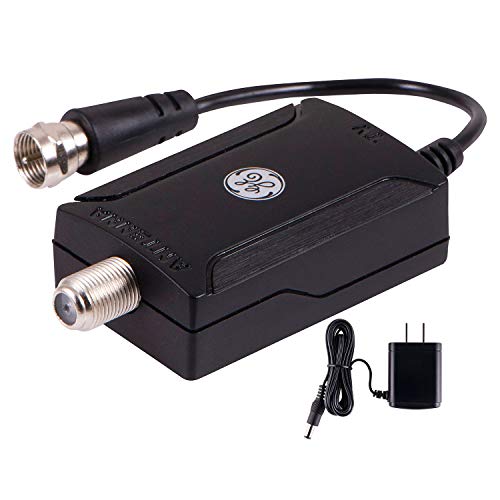
2. GE Indoor TV Antenna Amplifier
Rating: 8.5/10
Say goodbye to fuzzy channels and interrupted broadcasts! The GE Indoor TV Antenna Amplifier, model 42178, is designed to boost your TV signal, giving you a clearer, more reliable picture. This little black box works with any TV and antenna, making it a simple solution for better reception. Get ready to enjoy your favorite shows in stunning 1080p HD.
What We Like:
- It boosts your TV signal to prevent dropped channels.
- It works with all brands of TVs and antennas.
- It’s ready for future broadcasts and supports 1080p HD.
- It’s easy to set up with the included AC power adapter.
- GE is a trusted brand with a lifetime warranty and free U.S.-based tech support.
What Could Be Improved:
- The amplifier itself is an extra step in setup, though it’s simple.
- It requires an AC power outlet to function.
This GE antenna amplifier is a smart buy for anyone looking to improve their TV viewing experience without the hassle of cable bills. It’s a straightforward way to get the best out of your antenna and enjoy crystal-clear HD television.
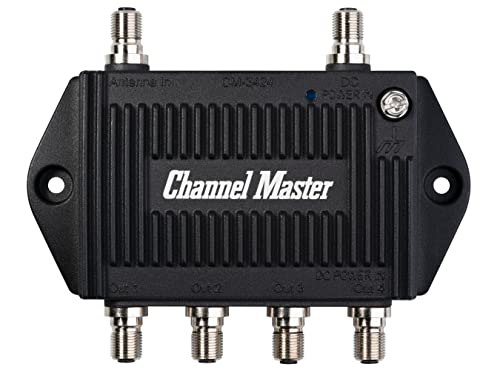
3. Channel Master TV Antenna Booster 4-4-Port TV Antenna Distribution Amplifier
Rating: 9.1/10
Tired of fuzzy TV and missing channels? The Channel Master TV Antenna Booster 4-4-Port is here to help! This handy device takes your TV antenna signal and splits it cleanly to up to four rooms. It’s like giving your antenna signal a superpower, making sure every TV gets a clear picture. Plus, it has a built-in filter to block annoying LTE phone signals that can mess with your reception. You can even put it outside or in your attic because it’s tough and weatherproof.
What We Like:
- Splits your antenna signal to four TVs without losing quality.
- Boosts your signal by 7.5dB, which can mean more channels and less pixelation.
- Works with any indoor or outdoor non-amplified TV antenna.
- Built to last with a heavy-duty, weatherproof housing for indoor or outdoor use.
- Includes an LTE filter to block unwanted phone signals.
- It’s an improved version of an older, popular Channel Master model.
- Channel Master is a trusted US-based company with a long history in TV antennas.
What Could Be Improved:
- This is a distribution amplifier, not a pre-amplifier. It won’t fix very weak signals in areas with bad reception.
- It’s only for TV antenna signals, not for cable or satellite TV.
If you’re looking to get the most out of your existing TV antenna and share its signal with multiple rooms, this Channel Master booster is a solid choice. It’s a simple way to improve your home entertainment experience.
4. TV Antenna Amplifier Signal Booster
Rating: 8.8/10
Tired of fuzzy TV channels and pixelated pictures? The BLK18 TV Antenna Amplifier Signal Booster is here to help! This powerful booster is designed to grab those weak signals and turn them into clear, smooth viewing experiences. It works with most TV antennas, whether you use yours inside or outside.
What We Like:
- Super Signal Boost: The amplifier uses the latest 4G/5G LTE Filter to block unwanted signals. This clears up fuzzy or pixelated channels for better picture quality and stable reception.
- Easy to Install: Simply connect the booster between your antenna and your TV or set-top box. It works with any antenna.
- Adjustable Range: It has a built-in DB tuner. You can adjust the gain from 5dB to 25dB to help your TV find the best signal.
- USB Power: It’s powered by USB, making it convenient to set up.
- After-Sale Service: The company offers full technical support and assistance if you have any problems.
What Could Be Improved:
- Not for Strong Signals: If your house is close to broadcast towers and you already get a strong signal, you might not need this booster.
- Check Signal Strength First: It’s important to check your area’s signal strength before buying. If you have many strong channels already, this booster might not be necessary.
- May Not Be Needed with Existing Amplifiers: If your TV antenna already has a built-in amplifier, you likely won’t need this additional one.
If you’re struggling with weak TV signals, the BLK18 amplifier can make a big difference in your viewing quality. Just be sure to check your signal strength first to ensure it’s the right solution for you.
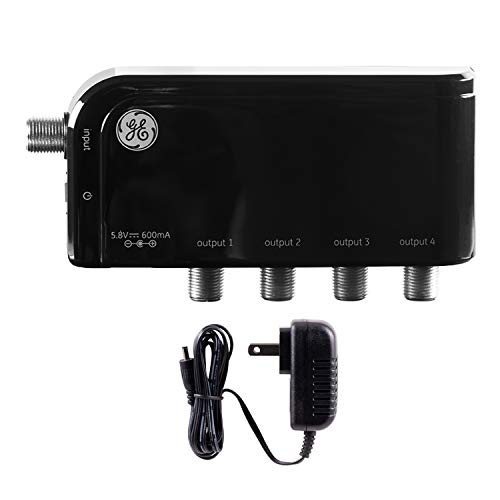
5. GE 4-Way HD Digital TV Antenna Amplifier
Rating: 9.3/10
Tired of fuzzy channels and pixelated pictures on your TV? The GE 4-Way HD Digital TV Antenna Amplifier, model 34479, is here to help. This black amplifier boosts your TV signal, making those weak channels clearer. It works with most indoor and outdoor antennas, even non-amplified ones. You can connect up to four TVs to one antenna source with this device. It’s a simple way to get a better picture and more channels.
What We Like:
- It makes weak TV signals stronger.
- It can clear up fuzzy or pixelated channels.
- It lets you connect up to four TVs to one antenna.
- Setup is easy and includes an AC adapter and instructions.
- It comes with helpful U.S.-based technical support and a lifetime pledge.
What Could Be Improved:
- Coaxial cables are sold separately.
- The number of channels you receive might change depending on how far you are from broadcast towers.
This GE amplifier is a solid choice for improving your TV reception. It’s easy to install and offers good support for a better viewing experience.
Your Guide to a Stronger TV Signal
Tired of fuzzy pictures and dropped channels? A TV signal amplifier might be the solution you need. This handy device boosts the signal coming into your television, giving you a clearer, more reliable picture. Let’s dive into what you should know before buying one.
Key Features to Look For
When you’re shopping for a TV signal amplifier, several features make a big difference.
- Gain (dB): This tells you how much the amplifier boosts the signal. Higher dB means a stronger boost. For most homes, an amplifier with 10-20 dB is usually enough. If you live far from the broadcast tower, you might need more.
- Number of Outputs: Think about how many TVs you want to connect. Some amplifiers have only one output, while others have four or even eight. Make sure the amplifier has enough outputs for your needs.
- Frequency Range: Most TV signals fall within a specific range. Ensure the amplifier supports the frequencies used in your area. Most modern amplifiers cover the standard VHF and UHF bands.
- Noise Figure: This measures how much extra “noise” the amplifier adds to the signal. A lower noise figure is better, as it means a cleaner signal. Look for amplifiers with a low noise figure, ideally 2 dB or less.
- Power Source: Amplifiers need power. Some plug into a wall outlet, while others get power through the coaxial cable from your TV or a nearby power injector. Consider what’s most convenient for your setup.
Important Materials
The materials used in an amplifier affect its durability and performance.
- Housing: Many amplifiers have a sturdy plastic or metal casing. Metal casings often offer better protection and can help dissipate heat, which is good for the electronics inside.
- Internal Components: High-quality electronic components inside the amplifier ensure better signal processing and longevity. While you can’t always see these, reputable brands use reliable parts.
Factors That Improve or Reduce Quality
Several things can help your amplifier work its best or cause problems.
- Antenna Quality: A good antenna is crucial. An amplifier can’t magically fix a weak signal from a poor antenna. Make sure your antenna is properly aimed and in good condition.
- Cable Quality and Length: Use good quality coaxial cables. Old or damaged cables can weaken the signal. Shorter cable runs are also better. Long cables can degrade the signal, even with an amplifier.
- Distance from Broadcast Towers: If you live very far from the TV towers, even the strongest amplifier might struggle to get a good signal.
- Interference: Other electronic devices or even nearby buildings can interfere with TV signals. Sometimes, moving your antenna or amplifier can help.
- Amplifier Placement: Placing the amplifier close to the antenna often yields the best results. This amplifies the signal before it travels through longer cables.
User Experience and Use Cases
Using a TV signal amplifier is generally straightforward.
- Installation: Most amplifiers connect between your antenna and your TV (or splitter). You’ll unplug your antenna cable from the TV, plug it into the amplifier’s input, and then plug a new cable from the amplifier’s output to your TV. If you have multiple TVs, you might connect the amplifier to a splitter.
- Who Needs One?
- Rural Residents: People living far from TV broadcast towers often need amplifiers to pick up channels clearly.
- Apartment Dwellers: Sometimes, building materials or distance from the roof antenna can weaken signals.
- Anyone Experiencing Pixelation: If your picture frequently looks blocky or freezes, an amplifier might help.
- Users with Splitters: When you split a signal to multiple TVs, each TV gets a weaker signal. An amplifier can compensate for this.
A TV signal amplifier can significantly improve your viewing experience, bringing you clearer channels and a more stable picture.
Frequently Asked Questions (FAQ)
Q: What is a TV signal amplifier?
A: A TV signal amplifier, also called a booster, makes your TV signal stronger. It helps you get clearer channels and a better picture.
Q: Do I really need a TV signal amplifier?
A: You might need one if you have a fuzzy picture, lose channels often, or live far from TV broadcast towers. It helps if you use a splitter for multiple TVs too.
Q: How do I know how much “gain” I need?
A: Gain is measured in dB. For most people, 10-20 dB is good. If you are very far from the towers, you might need more.
Q: Can an amplifier fix a bad antenna?
A: No, an amplifier boosts a signal. It cannot create a signal from a bad or poorly positioned antenna.
Q: Where should I place the amplifier?
A: It’s usually best to place the amplifier as close to your antenna as possible. This amplifies the signal early.
Q: Will an amplifier help if I have a lot of channels that are fuzzy?
A: Yes, if the fuzziness is due to a weak signal, an amplifier can help make those channels clearer.
Q: Can I use an amplifier with satellite or cable TV?
A: No, TV signal amplifiers are for over-the-air (antenna) TV signals only. They do not work with cable or satellite TV.
Q: How do I connect a TV signal amplifier?
A: You connect it between your antenna and your TV. The antenna plugs into the amplifier’s input, and the amplifier’s output plugs into your TV.
Q: What is a “noise figure” on an amplifier?
A: The noise figure tells you how much extra static the amplifier adds. A lower number is better for a cleaner signal.
Q: Will more outputs on an amplifier make my signal weaker?
A: Yes, splitting the signal to more TVs makes each one weaker. An amplifier helps restore that strength.
In conclusion, every product has unique features and benefits. We hope this review helps you decide if it meets your needs. An informed choice ensures the best experience.
If you have any questions or feedback, please share them in the comments. Your input helps everyone. Thank you for reading.