
Yes, you can get a car wash after tinting your windows, but it’s crucial to wait for a specific period and choose the right type of wash to ensure the tint adheres properly and avoids damage.
Tinting your car’s windows is a fantastic way to enhance its appearance, improve comfort, and protect your interior from harmful UV rays. However, a common question arises once that fresh tint is applied: Can I get a car wash after tinting my windows? The short answer is yes, but with important caveats. Ignoring these can lead to peeling, bubbling, or premature wear of your new window film. This guide will walk you through everything you need to know about washing your car after tinting windows, ensuring your investment stays looking its best.
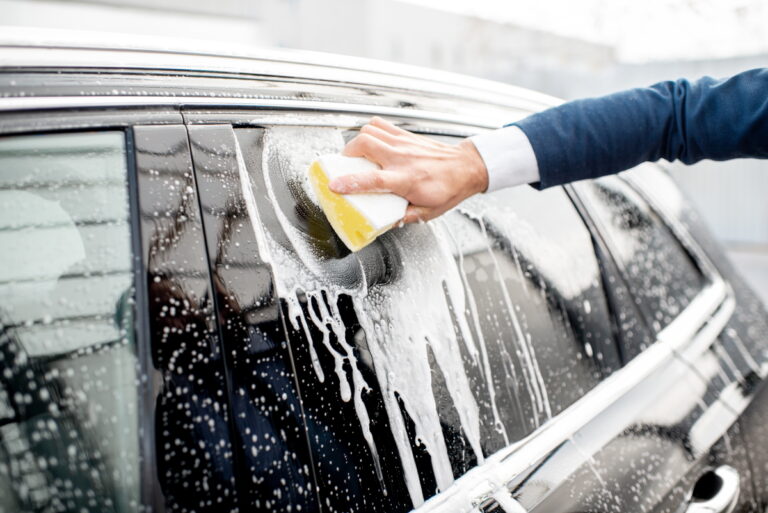
Image Source: qualityautoglasstint.com
The Crucial Waiting Period: How Long After Tinting Windows?
The most critical factor when considering a car wash after tinting windows is patience. Professional window tint installers use a water-based solution to apply the film. This solution, along with the adhesive, needs time to cure and bond securely to the glass. Rushing the process can compromise this bond.
How Long Should I Wait?
- Generally, it’s recommended to wait at least 24 to 72 hours before washing your car after tinting.
- Some installers may advise a longer waiting period, up to a week, especially in cooler or more humid conditions where drying can be slower.
- Always defer to the specific instructions provided by your tint installer. They know the products they use and the environmental conditions you’re in.
Why the Wait?
The adhesive used in window tint film contains moisture. This moisture needs to evaporate completely for the tint to bond firmly to the glass.
- Water Trapped: If you wash your car too soon, water can be forced under the edges of the tint or into areas where the adhesive hasn’t fully cured. This can create tiny bubbles or cause the tint to peel away from the glass.
- Adhesive Strength: The adhesive needs time to reach its maximum strength. Early exposure to water or harsh cleaning chemicals can weaken this bond.
Washing Your Car: What’s Safe for Tinted Windows?
Once the recommended waiting period has passed, you can safely wash your car. However, not all car washes are created equal when it comes to car wash window tint. Choosing the right method is key to protecting your investment.
Hand Washing: The Safest Bet
The best way to wash a tinted car is typically by hand. This method gives you the most control and allows you to be gentle with the newly tinted windows.
The Gentle Hand Wash Process:
- Pre-Rinse: Start by rinsing your car with a gentle stream of water to remove loose dirt and debris. Avoid using high-pressure washers at this stage.
- Suds Up: Use a pH-neutral car wash soap and a soft microfiber wash mitt. Work from the top of the car downwards.
- Gentle Washing: Wash the windows with the same microfiber mitt. Be careful not to scrub too hard, especially around the edges of the tint.
- Rinse Thoroughly: Rinse the car again with clean water.
- Drying: The most critical part for tinted windows is drying. Use a clean, soft microfiber drying towel. Blot the windows dry rather than rubbing vigorously. For the tinted windows, ensure you use a separate, clean microfiber towel to avoid transferring any grit from the paintwork.
What to Avoid in a Hand Wash:
- Abrasive Materials: Never use scouring pads, rough sponges, or dirty cloths on your tinted windows.
- Harsh Chemicals: Avoid ammonia-based cleaners, alcohol-based solvents, or any strong degreasers directly on the tint.
- Excessive Pressure: Don’t press too hard on the tint when washing or drying.
Automatic Car Washes: Proceed with Extreme Caution
Automatic car washes, especially those with brushes, can be a significant risk for newly tinted windows.
Risks Associated with Automatic Car Washes:
- High-Pressure Sprays: The high-pressure jets used in many automatic washes can potentially force water under the tint edges, especially if the tint isn’t fully cured.
- Brush Damage: Rotating brushes, even if they appear soft, can be abrasive enough to scratch or even peel the tint film. This is a particular concern for tint protection car wash methods.
- Harsh Soaps: Some automatic car washes use strong detergents that might be too aggressive for the tint adhesive or the film itself.
If You Must Use an Automatic Wash:
If you absolutely must use an automatic car wash, opt for touchless washes whenever possible. These use high-pressure water and chemicals without physical brushes. However, even these should be approached with caution, and it’s still best to wait until your tint has fully cured for an extended period.
Professional Car Detailing and Tinted Windows
When considering car detailing tinted windows, it’s essential to communicate with your detailer about the tint. A reputable detailer will be aware of the best practices for cleaning tinted windows.
What to Look for in a Detailer:
- Experience with Tint: Ensure they have experience working with tinted vehicles.
- Appropriate Products: They should use tint-safe cleaners and microfiber towels.
- Manual Washing: They should primarily use manual washing techniques rather than aggressive automatic equipment.
A professional detailer can provide a thorough and safe cleaning, ensuring your tint is well-maintained. They often have specialized tools and knowledge for tint protection car wash services.
Cleaning Tinted Windows: Daily Care and Maintenance
Beyond the initial wash after tinting, regular cleaning is important for maintaining the clarity and longevity of your window tint.
What to Use for Cleaning Tinted Windows:
The key is to use gentle, non-abrasive cleaners and tools.
- Mild Soap and Water: A solution of mild dish soap (like Dawn) and water is often sufficient for everyday dirt and grime.
- Ammonia-Free Glass Cleaner: Look for glass cleaners specifically labeled “ammonia-free” or “tint-safe.” Ammonia can break down the adhesive and damage the film over time.
- Microfiber Towels: Always use clean, soft microfiber towels for both washing and drying. These are gentle and highly absorbent.
- Squeegees: If you use a squeegee, ensure it has a clean, soft rubber blade and that you use a liberal amount of soapy water on the glass. Always start at the top and work your way down in a single, overlapping motion. Be careful around the edges.
What to Absolutely Avoid:
- Ammonia-Based Cleaners: As mentioned, these are the biggest culprits for damaging tint.
- Abrasive Cleaners or Powders: Anything that can scratch the film must be avoided.
- Scraping: Never use razor blades, scrapers, or abrasive pads to remove stickers or debris from tinted windows.
- High-Pressure Washers Directly on Edges: While a gentle rinse is okay, avoid blasting the edges of the tint with high-pressure water.
Common Issues and How to Address Them
Even with the best care, you might encounter minor issues. Knowing how to handle them can prevent further damage.
Small Bubbles or Haze:
It’s common to see a few small bubbles or a slight haze in the days or weeks following tint installation. This is usually trapped moisture that is slowly evaporating through the film.
- What to Do: Do nothing. Leave the windows alone. These small imperfections typically disappear on their own as the tint fully cures.
- What NOT to Do: Do not try to pop or squeeze these bubbles, as this can tear the film or introduce dirt.
Peeling Edges:
If you notice the edges of your tint starting to lift, especially after a wash, it could indicate that the tint was not applied properly, or you washed it too soon.
- What to Do: Contact your tint installer immediately. They may be able to repair it, especially if it’s within their warranty period.
- What NOT to Do: Do not try to re-adhere it yourself with glue or tape, as this will likely cause more damage.
Scratches:
If you accidentally scratch the tint, it’s usually permanent damage to the film itself.
- What to Do: Unfortunately, the only solution is to have the affected window re-tinted.
- What NOT to Do: Do not attempt to buff out scratches on window tint.
Table: Car Wash Options for Tinted Windows
| Car Wash Type | Risk Level for Tint | Recommendations |
|---|---|---|
| Hand Wash (Gentle) | Low | Best Option. Use pH-neutral soap, microfiber mitts, and soft drying towels. Blot dry. |
| Touchless Automatic Wash | Medium | Only after sufficient curing time (weeks). Avoid direct high-pressure spray on tint edges. |
| Automatic Wash (Brushes) | High | Avoid. Brushes can scratch or peel tint. High-pressure sprays can force water under edges. |
| DIY High-Pressure Washing | Medium to High | Use caution. Keep nozzle at a distance and avoid direct, prolonged spray on tint edges. |
| Professional Detailing | Low to Medium | Choose detailers experienced with tinted windows who use tint-safe products and manual washing techniques. Communicate your tint status. |
Frequently Asked Questions (FAQ)
Q1: Can I use Windex on my tinted windows?
A1: No, it is generally not recommended to use Windex or any cleaner containing ammonia on tinted windows. Ammonia can break down the adhesive and damage the tint film over time. Stick to ammonia-free glass cleaners.
Q2: How often should I clean my tinted windows?
A2: You can clean your tinted windows as often as you clean your car’s exterior. Regular, gentle cleaning will help maintain their clarity and appearance.
Q3: I see tiny bubbles after my tint was installed. Is this normal?
A3: Yes, it is normal to see small bubbles or a hazy appearance shortly after tint installation. This is usually trapped moisture that will evaporate over a few days to a few weeks. Do not try to pop them; just let them resolve on their own.
Q4: Can I park my car outside in the rain after tinting?
A4: It’s best to avoid exposing your newly tinted windows to heavy rain or washing for the first 24-72 hours, as advised by your installer. Light exposure might be unavoidable, but direct washing or high-pressure spray should be avoided.
Q5: What is the best way to dry tinted windows after washing?
A5: The best way to wash tinted car windows also involves the drying process. Always use clean, soft microfiber towels. Blot the windows dry gently instead of rubbing. Using a separate, clean microfiber towel for the tinted windows is a good practice.
Q6: Does window tint require special care?
A6: Yes, window tint does require special care. It’s crucial to avoid ammonia-based cleaners, abrasive materials, and to wait the appropriate time before washing. Gentle cleaning and the right products will extend the life of your tint. This is part of proper tint protection car wash procedures.
Q7: My installer mentioned a “tint protection car wash.” What does that involve?
A7: A “tint protection car wash” usually refers to a car wash service that specifically caters to vehicles with window tint. This means they use gentle, tint-safe soaps, microfiber mitts, and soft drying towels, and they avoid harsh chemicals or high-pressure sprays on the windows. They will also likely know how to properly clean around the edges of the tint.
Q8: Can I use a clay bar on my tinted windows?
A8: It is generally not recommended to use a clay bar on window tint. Clay bars are designed to remove contaminants from paint and glass, but they can be too abrasive for the delicate surface of window tint film, potentially causing micro-scratches or dulling the finish. Stick to gentle washing methods.
Q9: What if I accidentally use a cleaner with ammonia on my tinted windows?
A9: If you’ve used an ammonia-based cleaner once, it might not cause immediate visible damage, but it can degrade the adhesive and film over time, leading to bubbling or peeling. If you notice any signs of damage, it’s best to consult your tint installer. For future cleaning, always use ammonia-free products.
Q10: How can I tell if my tint is fully cured?
A10: You can usually tell if your tint is fully cured by the absence of small bubbles or haziness. The film will appear perfectly clear and adhere smoothly to the glass. Your installer will also give you a timeframe for full curing based on the products used and the weather conditions. If you’re unsure, err on the side of caution and wait a little longer before subjecting the windows to any washing.
By following these guidelines, you can confidently wash and maintain your car after tinting windows, ensuring your investment provides clear vision and a stylish look for years to come. Remember, patience and gentle care are key to enjoying perfectly tinted windows.