
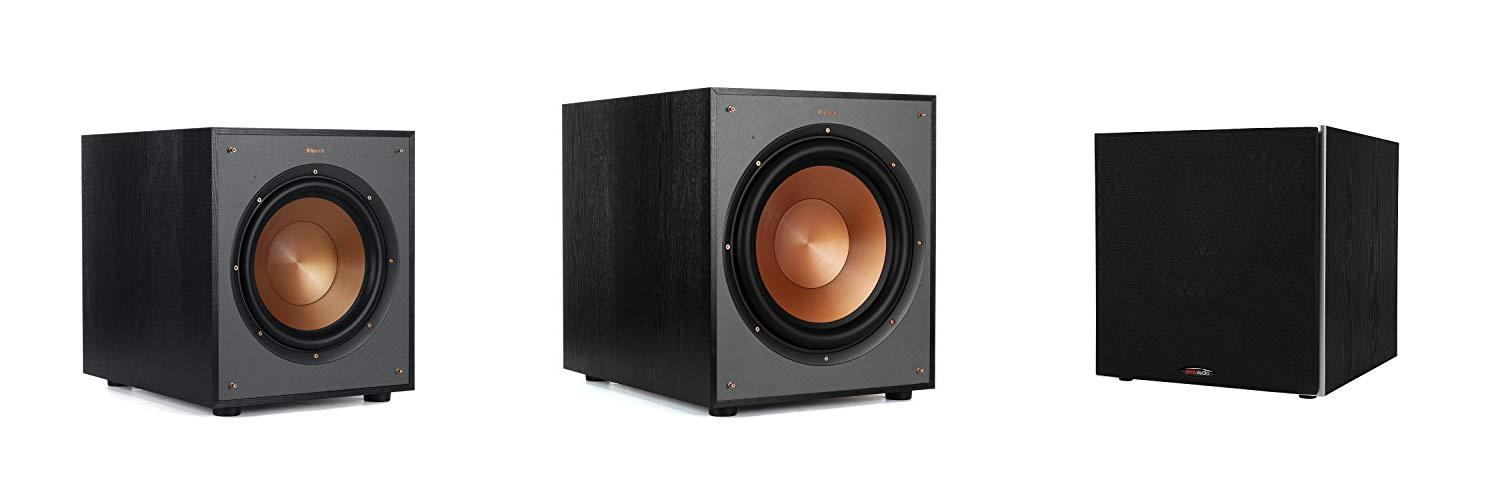
Imagine watching your favorite action movie. The explosions shake your chest, the car chases roar through the room, and the music swells with powerful emotion. But if your sound system is missing something, those moments can fall flat. That’s where a home theater subwoofer comes in – it’s the heart of your sound, bringing deep, rumbling bass that makes everything feel real.
Choosing the right subwoofer, however, can feel like navigating a maze. You see words like “frequency response” and “SPL,” and suddenly picking the perfect one seems overwhelming. What size do you need? How much power is enough? Will it even fit in your room? These questions can stop you from getting the immersive experience you crave.
But don’t worry! By the end of this post, you’ll understand exactly what makes a great subwoofer tick. We’ll break down the confusing jargon into simple terms, so you can confidently choose a subwoofer that will transform your movie nights and gaming sessions into something truly epic. Get ready to feel the boom!
Our Top 5 Home Theater Subwoofer Recommendations at a Glance
Top 5 Home Theater Subwoofer Detailed Reviews
1. Klipsch R-100SW 10″ Subwoofer

Rating: 8.6/10
Get ready to feel the rumble with the Klipsch R-100SW 10″ Subwoofer. This speaker packs a serious punch, delivering incredibly deep bass that will transform your movie nights and music listening. Its sleek design fits easily into any room, and the powerful all-digital amplifier makes sure you get the most out of every sound.
What We Like:
- The 10″ front-firing spun-copper woofer creates powerful, clear bass.
- The all-digital amplifier provides 300 watts of peak power for impressive sound.
- Easy-to-use controls let you adjust volume, low-pass crossover, and phase.
- Line level LFE RCA inputs ensure it works with most home theater receivers.
- The auto power on feature makes it convenient to use.
What Could Be Improved:
- For the absolute deepest bass enthusiasts, a larger driver might be desired.
- The footprint, while reasonable, might be a consideration in very small spaces.
The Klipsch R-100SW is an excellent choice for anyone looking to add serious bass to their home audio setup. It offers a fantastic blend of power, clarity, and convenience for its price point.
2. Klipsch R-120SW Subwoofer

Rating: 8.8/10
Get ready to feel the thunder with the Klipsch R-120SW Subwoofer in sleek black. This powerhouse is designed to bring your movies and music to life with deep, rumbling bass. Its 12-inch spun-copper woofer is the heart of its impressive sound, delivering clear and impactful low frequencies.
What We Like:
- The 12-inch spun-copper Imp woofer creates incredibly rich and deep bass.
- It reaches down to a super low 29 Hz, so you’ll hear every rumble and boom.
- With 400 watts of peak power, it can really fill a room with sound.
- The max output of 116dB means it’s loud enough for intense movie scenes or parties.
- The rear-firing port helps push the bass out for a more powerful experience.
- It’s built with a strong 200-watt amplifier that can handle peaks.
- The grill is included to protect the woofer and give it a clean look.
What Could Be Improved:
- The frequency response, while good, might not satisfy extreme audiophiles seeking even lower extension.
- While powerful, for very large rooms, an additional subwoofer might be considered for perfect balance.
The Klipsch R-120SW Subwoofer is a fantastic choice for anyone wanting to upgrade their home audio with serious bass. It’s a great way to make your entertainment sound truly immersive.
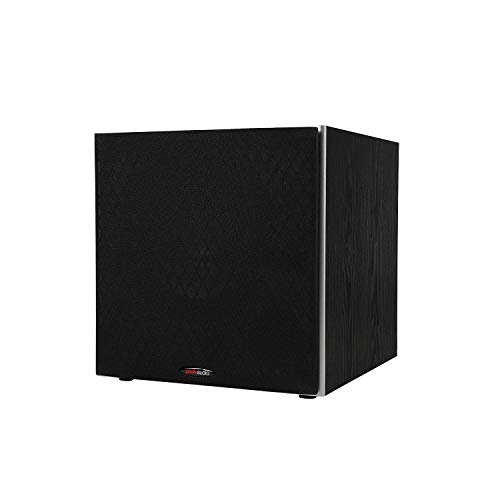
3. Polk Audio PSW10 10″ Powered Subwoofer Home Audio – Power Port Tech
Rating: 8.7/10
Ready to feel the boom? The Polk Audio PSW10 10″ Powered Subwoofer is here to transform your home audio. This little powerhouse packs a serious punch, bringing deep, accurate bass to your music and movies. It’s designed to be the perfect addition to your home theater, especially for smaller or medium-sized rooms. Polk Audio built this subwoofer with their special Power Port technology, which helps deliver big bass without taking up too much space.
What We Like:
- Delivers extra bass and punch for a more exciting audio experience.
- Provides rich, deep sound even at low frequencies, making movies and music come alive.
- Doubles the amplifier power to 100 Watts for louder, clearer sound.
- Sophisticated engineering makes it durable and ready for long-term use.
- Easy to connect and integrate with your existing audio system.
- Compact design fits well in various room sizes.
- Timbre-matched with popular Polk Monitor and T-Series speakers for a cohesive sound.
What Could Be Improved:
- It is not waterproof, so keep it away from moisture.
- While powerful for its size, very large rooms might benefit from a larger subwoofer.
If you want to add more excitement to your sound system without a lot of hassle, the Polk Audio PSW10 is a fantastic choice. It’s an easy way to upgrade your audio and really feel the music and action.
4. Rockville Rock Shaker 10 Black 600W Powered Subwoofer

Rating: 9.1/10
The Rockville Rock Shaker 10 Black 600W Powered Subwoofer is a fantastic addition for anyone looking to boost their home theater, music, or gaming setup. This subwoofer packs a serious punch, bringing deep, rumbling bass to your favorite movies and games. Its sleek black design fits well in any room, and the sturdy build means it’s made to last.
What We Like:
- Powerful Bass: The 10-inch woofer and 600W peak power really make the low-end come alive. You’ll feel the explosions in movies and the beat in your music.
- Clean Sound: The built-in Class-D amplifier is perfectly tuned to the woofer. This means you get clear, strong bass without annoying distortion, even at higher volumes.
- Easy Customization: You can easily adjust the volume, crossover frequency, and phase. This lets you fine-tune the bass to match your room and your speakers perfectly.
- Connects to Anything: With both RCA and speaker-level inputs/outputs, this subwoofer works with almost any audio system. Hooking it up is simple.
- Solid Construction: The MDF enclosure is strong and keeps the sound tight. The vinyl finish looks good, and the removable grill protects the woofer.
What Could Be Improved:
- Size: While powerful, a 10-inch subwoofer can take up a decent amount of space. Consider where you plan to place it.
- Brand Recognition: Rockville might not be as well-known as some other audio brands, but their performance is impressive for the price.
The Rockville Rock Shaker 10 is a great value for its performance and features. It’s an excellent choice for upgrading your audio experience without breaking the bank.
5. Klipsch Synergy Black Label Sub-120 12” Front-Firing Subwoofer with 200 Watts of continuous & 400 watts of Dynamic Power

Rating: 8.6/10
Get ready to feel the rumble! The Klipsch Synergy Black Label Sub-120 12” Front-Firing Subwoofer delivers powerful bass that will transform your home theater experience. Its 12-inch spun copper Cerametallic woofer, combined with a robust digital amplifier, creates deep and impactful sound for your movies, music, and games.
What We Like:
- The 12-inch spun copper Cerametallic woofer produces impressive bass.
- A powerful digital amplifier provides 200 watts of continuous power and 400 watts of dynamic power.
- It easily connects to most AV receivers.
- The strong, removable grille protects the woofer and looks good.
- Its sleek, black finish blends well with any room decor.
- Placing it in a corner really boosts its sound performance.
What Could Be Improved:
- Connection wires are not included, so you’ll need to buy them separately.
This subwoofer is a fantastic way to add serious low-end punch to your audio setup. For a truly immersive sound experience, the Klipsch Synergy Black Label Sub-120 is a solid choice.
Your Guide to Choosing the Best Home Theater Subwoofer
Why You Need a Subwoofer
A home theater subwoofer is a special speaker. It makes the low sounds in movies and music. Think of big explosions or deep bass guitar notes. Without a subwoofer, these sounds can feel weak. A good subwoofer makes these sounds powerful. It makes your movie-watching and music-listening much more exciting. It adds a whole new level to your audio experience.
1. Key Features to Look For
Size Matters
Subwoofers come in different sizes. The size is usually measured by the diameter of the speaker cone. Common sizes are 8 inches, 10 inches, and 12 inches. Bigger speakers can move more air. This means they can make deeper and louder bass. For small rooms, an 8-inch or 10-inch might be enough. For larger rooms, a 12-inch or even larger subwoofer will fill the space better.
Power (Wattage)
Power is measured in watts. It tells you how loud the subwoofer can play. More watts usually mean a louder and more powerful sound. You don’t always need the highest wattage. Match the power to your room size and how loud you like to listen. A good rule of thumb is to have enough power to drive the speaker without distortion.
Frequency Response
This tells you the range of sounds the subwoofer can produce. It’s measured in Hertz (Hz). A lower number means it can produce deeper bass. Look for a subwoofer that can go down to 20 Hz or lower. This is where you’ll find those really low rumble sounds.
Ported vs. Sealed Enclosures
Ported (Bass Reflex)
Ported subwoofers have a tube or opening. This opening helps boost the bass output. They often sound louder and hit harder. They can be great for movies with lots of action. However, they might not be as accurate for music.
Sealed
Sealed subwoofers have a completely closed box. They tend to produce tighter and more accurate bass. This makes them a good choice for music lovers. They might not be as loud as ported subwoofers.
2. Important Materials
The cone of the subwoofer is very important. It’s the part that moves to make sound. Materials like paper, polypropylene, or a mix are common. Stronger materials can handle more power and create better sound. The cabinet (the box) also matters. A strong, well-built cabinet stops vibrations. This leads to cleaner bass.
3. Factors That Improve or Reduce Quality
Placement
Where you put your subwoofer can make a big difference. Placing it in a corner can boost bass. Experiment with different spots in your room. The “subwoofer crawl” is a good trick. Put the subwoofer in your listening chair. Play some bass-heavy music. Crawl around your room. When the bass sounds best, mark that spot. Then, place the subwoofer there.
Room Acoustics
Your room’s shape and furniture affect sound. Hard surfaces like bare walls can cause echoes. Soft furnishings like carpets and curtains can absorb sound. They can make the bass sound smoother.
Build Quality
A well-built subwoofer will last longer. It will also sound better. Look for solid construction. Check if the connections feel sturdy. Avoid subwoofers that feel flimsy.
4. User Experience and Use Cases
For Movie Buffs
If you love watching movies, you want a subwoofer that can deliver powerful, room-shaking bass. Ported subwoofers are often a great choice here. They excel at reproducing those big action movie sound effects.
For Music Lovers
If you listen to a lot of music, you might prefer a subwoofer that offers tight, accurate bass. Sealed subwoofers are usually better for this. They give you a more detailed and musical bass sound.
For Gamers
Gamers will also appreciate a good subwoofer. Explosions, engine roars, and the rumble of the ground can make games feel more immersive. A subwoofer that can handle both deep lows and quick bass hits is ideal.
Frequently Asked Questions (FAQ)
Q: Do I need a subwoofer if I have good speakers?
A: Yes, even good speakers usually can’t produce the very low bass frequencies. A subwoofer is designed specifically for those deep sounds. It makes your whole audio system sound fuller.
Q: How big of a subwoofer do I need for my room?
A: For small rooms (under 150 sq ft), an 8-inch or 10-inch subwoofer is often enough. For medium to large rooms (over 150 sq ft), a 12-inch or larger subwoofer will perform better.
Q: What is the difference between a powered and passive subwoofer?
A: Most home theater subwoofers are powered. This means they have their own amplifier built-in. Passive subwoofers need a separate amplifier. Powered subwoofers are much more common and easier to set up.
Q: How do I connect a subwoofer to my receiver?
A: Most receivers have a dedicated subwoofer or LFE (Low-Frequency Effects) output. You connect this to the subwoofer’s input using an RCA cable. It’s usually a simple plug-and-play connection.
Q: Should I get a ported or sealed subwoofer?
A: If you watch a lot of action movies and want powerful bass, a ported subwoofer might be better. If you listen to music a lot and want precise bass, a sealed subwoofer is a good choice.
Q: Can a subwoofer improve dialogue?
A: While subwoofers primarily handle low frequencies, a well-integrated subwoofer can improve the overall balance of your sound system. This can indirectly make dialogue sound clearer by not having to strain other speakers.
Q: How much should I expect to spend on a good subwoofer?
A: You can find decent subwoofers starting around $150-$200. For higher quality and more powerful options, expect to spend $300-$600 or more.
Q: Can I use two subwoofers?
A: Yes, using two subwoofers can help even out the bass response in your room. It can reduce “hot spots” where bass is too loud or “dead spots” where it’s too quiet.
Q: What is “break-in” for a subwoofer?
A: Some manufacturers suggest “breaking in” a subwoofer. This means playing it at moderate volumes for a period of time. It helps the speaker cone and suspension become more flexible, potentially improving sound.
Q: How do I adjust the subwoofer’s settings?
A: Most subwoofers have a volume control and a crossover dial. The volume adjusts how loud it is. The crossover sets the point where your main speakers stop playing low sounds and the subwoofer takes over. Your receiver also has settings to help blend the subwoofer with your other speakers.
In conclusion, every product has unique features and benefits. We hope this review helps you decide if it meets your needs. An informed choice ensures the best experience.
If you have any questions or feedback, please share them in the comments. Your input helps everyone. Thank you for reading.