
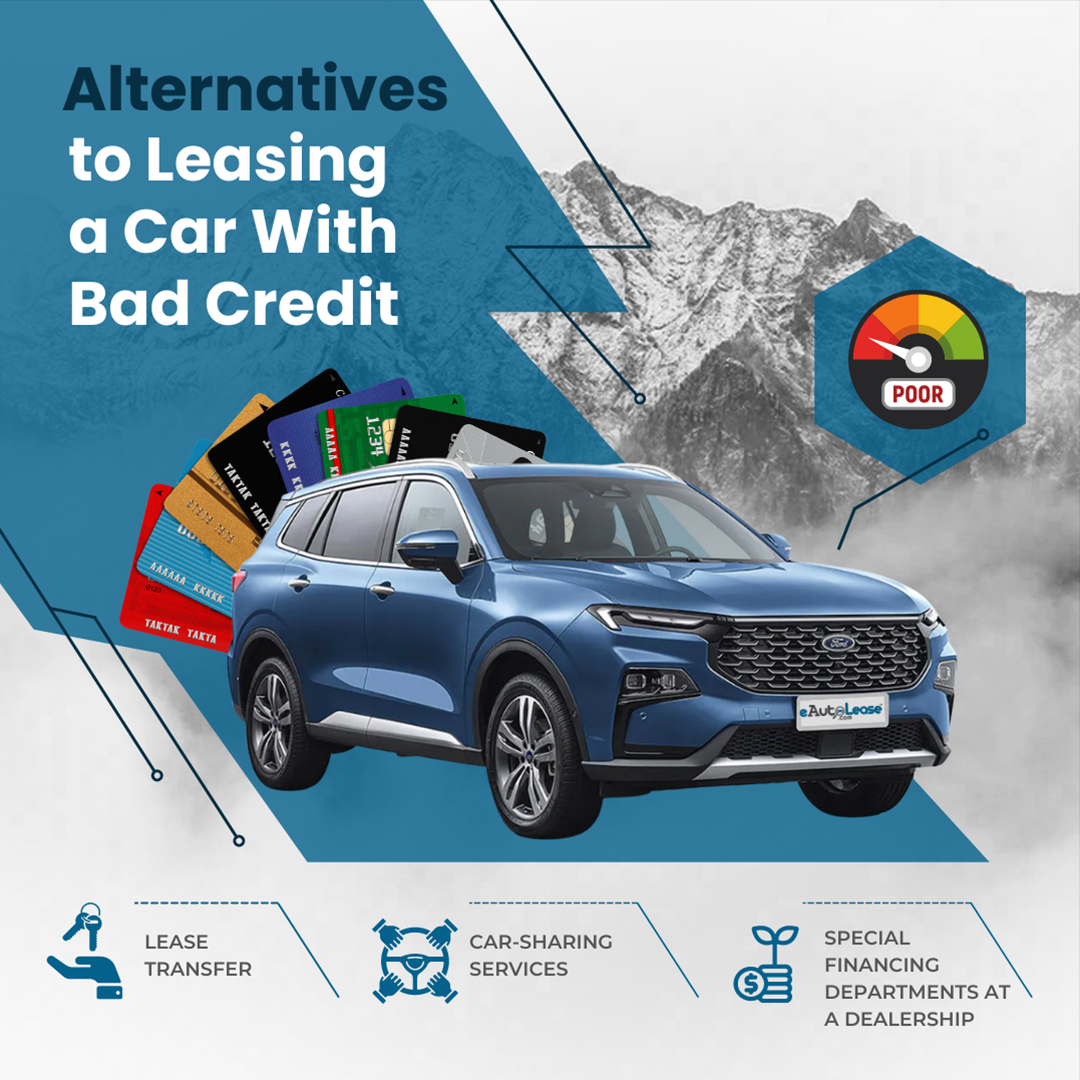
Image Source: www.eautolease.com
Bad Credit Car Leasing Explained: How Does It Work?
Can you lease a car with bad credit? Yes, it is possible to lease a car with bad credit, but it often comes with different terms and requirements than for those with excellent credit. The process of car leasing with a less-than-perfect credit score is often referred to as bad credit car leasing, subprime auto leasing, or second chance auto leasing. This guide will delve into how car lease approval bad credit works, what to expect, and how to improve your chances of success.
Fathoming the Fundamentals of Car Leasing
Before we dive into the specifics of leasing with bad credit, let’s briefly review how standard car leasing works. Leasing is essentially a long-term rental agreement. Instead of buying the car outright, you pay to use it for a set period, typically two to four years, and a predetermined mileage limit. At the end of the lease term, you have a few options: return the car, buy it for its residual value, or lease a new vehicle.
The monthly payment for a lease is based on several factors:
- Capitalized Cost (Cap Cost): This is the agreed-upon price of the car, similar to the purchase price.
- Residual Value: This is the estimated value of the car at the end of the lease term. The lower the residual value, the lower your monthly payments.
- Money Factor: This is essentially the interest rate on the lease. It’s expressed as a small number, like 0.00125, which translates to an Annual Percentage Rate (APR) of 3%.
- Lease Term: The length of the lease agreement.
- Mileage Allowance: The maximum number of miles you can drive per year. Exceeding this limit results in per-mile charges.
- Down Payment (Cap Cost Reduction): Any money you pay upfront to reduce the capitalized cost.
The Roadblocks for Bad Credit
Having a low credit score can present significant hurdles when you want to lease a car with poor credit. Lenders and leasing companies view individuals with poor credit as higher risk. This means they are more likely to default on payments. To mitigate this risk, they often implement stricter terms and higher costs.
Here’s what a low credit score can mean for your leasing prospects:
- Higher Interest Rates (Money Factor): The “money factor” will likely be higher, meaning you’ll pay more in interest over the lease term.
- Larger Down Payment Required: You may be asked to put down a more substantial amount of money upfront to reduce the leasing company’s risk.
- Lower Vehicle Options: You might be limited to older models or less luxurious vehicles.
- Shorter Lease Terms: Some companies may offer shorter lease terms to reduce their exposure.
- Stricter Mileage Limits: Expect lower annual mileage allowances.
- Security Deposits: A refundable security deposit might be required.
Navigating Car Leases with Bad Credit: Key Strategies
Securing a bad credit car leasing deal requires a proactive and informed approach. Here are key strategies to help you lease a car with poor credit:
1. Check Your Credit Report
Before you even start looking for a car, get a copy of your credit report from all three major credit bureaus: Equifax, Experian, and TransUnion. You are entitled to a free report annually from each. Review them carefully for any errors. Disputing and correcting inaccuracies can potentially boost your score.
2. Improve Your Credit Score
Even a small improvement can make a difference. Consider these steps:
- Pay Bills on Time: Payment history is the biggest factor in your credit score.
- Reduce Credit Utilization: Try to pay down credit card balances. Keep your credit utilization ratio below 30%.
- Avoid Opening New Credit Accounts: Unless absolutely necessary, refrain from opening new credit lines.
3. Save for a Larger Down Payment
A larger down payment can significantly strengthen your application for car lease approval bad credit. It shows the leasing company you are serious and reduces the amount of money they need to finance.
4. Consider a Co-signer
A co-signer with good credit can greatly increase your chances of approval. The co-signer agrees to be responsible for the lease payments if you are unable to make them. However, this also means that if you miss payments, it will negatively affect your co-signer’s credit.
5. Explore Specialized Lenders and Dealerships
Many dealerships have special programs designed for individuals with poor credit. These might be called “subprime auto leasing” or “second chance auto leasing” programs. Similarly, some online lenders specialize in bad credit financing auto lease arrangements.
6. Research Vehicle Depreciation and Residual Values
When leasing with bad credit, focus on vehicles that tend to hold their value well. Cars with higher residual values often have lower monthly payments. This is because the leasing company expects to recoup more of the car’s initial cost at the end of the lease.
7. Be Realistic About Vehicle Choices
You might not be able to lease the brand-new luxury SUV you’ve been dreaming of. Focus on reliable, fuel-efficient, and less expensive vehicles. Used car leasing bad credit options are also available and can be a more accessible route.
The Mechanics of Subprime Auto Leasing
Subprime auto leasing is a segment of the auto finance industry that caters to borrowers with lower credit scores. For leasing companies, this means they need to manage a higher risk profile. Here’s how they typically adjust their offerings:
1. Higher Capitalized Costs
The initial price of the vehicle might be marked up slightly to account for the increased risk. This means you’re effectively paying more for the car than someone with excellent credit.
2. Elevated Money Factor
The money factor, which is akin to an interest rate, will be considerably higher. This directly increases your monthly lease payment.
- Example: A money factor of 0.00200 is equivalent to an APR of 4.8% (0.00200 x 2400 = 4.8%). For someone with bad credit, this could easily jump to 0.00300 or even higher.
3. Stricter Lease Terms
To limit their exposure, leasing companies might offer shorter lease terms (e.g., 24 months instead of 36 or 48) and lower annual mileage allowances (e.g., 10,000 miles per year instead of 12,000 or 15,000).
4. Security Deposits
A security deposit, usually equivalent to one or two monthly payments, might be required. This serves as an additional buffer for the leasing company.
5. Potential for Higher Fees
Be aware that certain fees, such as acquisition fees or disposition fees (charged at the end of the lease when you return the car), might be higher for subprime leases.
Deciphering a Bad Credit Car Rental Agreement
A bad credit car rental agreement is essentially a lease contract tailored for individuals with lower credit scores. When you receive this agreement, scrutinize it carefully.
Here are key components to pay close attention to:
- Capitalized Cost: Ensure the agreed-upon price of the car is fair.
- Residual Value: Check the projected value of the car at lease end.
- Money Factor: Confirm the money factor and calculate the equivalent APR.
- Monthly Payment: Double-check the calculation of your monthly payment.
- Mileage Limit: Be sure the annual mileage limit is realistic for your needs.
- Wear and Tear Clause: Understand what constitutes “excessive” wear and tear, as you’ll be charged for damage beyond normal use.
- Early Termination Clause: Know the penalties if you need to end the lease early.
- Fees: Understand all fees, including acquisition, disposition, late payment, and excess mileage charges.
Table: Comparing Lease Terms (Good Credit vs. Bad Credit)
| Feature | Good Credit Lease Example | Bad Credit Lease Example |
|---|---|---|
| Capitalized Cost | $28,000 | $29,500 |
| Residual Value | 55% ($15,400) | 52% ($15,340) |
| Money Factor | 0.00125 (3% APR) | 0.00275 (6.6% APR) |
| Lease Term | 36 Months | 36 Months |
| Mileage Allowance | 12,000 miles/year | 10,000 miles/year |
| Down Payment | $2,000 | $4,000 |
| Estimated Monthly Payment (before taxes & fees) | $350 | $490 |
Note: These are illustrative examples and actual figures will vary.
Options for Poor Credit Car Leasing
When seeking poor credit car leasing options, you’ll find a spectrum of providers and approaches. It’s crucial to research and compare offers from various sources.
1. Dealership In-House Financing
Many dealerships have their own finance departments that work with various lenders, including those who specialize in subprime loans. They can often secure approvals for individuals with bad credit.
2. Independent Finance Companies
Some finance companies focus specifically on subprime auto lending. These can be a good option, but it’s essential to verify their reputation and terms.
3. Online Lenders
The internet has opened up new avenues for bad credit financing auto lease. Many online platforms connect borrowers with specialized lenders. Be sure to read reviews and understand the terms before committing.
4. Lease Buyout Programs
In some cases, you might find programs that allow you to lease a car that is coming off a lease. These can sometimes offer more competitive rates, even for those with lower credit scores.
5. Used Car Leasing Bad Credit
Leasing a used car can be a more budget-friendly option when you have bad credit. Used cars typically have lower capitalized costs and depreciate more slowly, which can translate to lower monthly payments. However, be aware that used car leases may have shorter terms and higher mileage restrictions.
The Case for Second Chance Auto Leasing
Second chance auto leasing is designed for individuals who have had financial difficulties in the past. The goal is to provide access to reliable transportation while allowing the borrower to re-establish a positive credit history through responsible lease payments.
Key aspects of second chance auto leasing include:
- Focus on Rebuilding Credit: Consistent, on-time payments on a second chance lease can help improve your credit score over time.
- Potentially Higher Costs: As with other subprime options, expect higher interest rates and potentially other fees.
- Vehicle Restrictions: You may be limited to specific types of vehicles or newer used cars.
- Importance of a Solid Application: Even with a second chance program, presenting a strong application with a stable income and a responsible co-signer (if possible) can significantly improve your chances.
Frequently Asked Questions (FAQ)
Q1: How bad does my credit have to be to qualify for bad credit car leasing?
Generally, a credit score below 600 is considered poor credit, and you might need to look for bad credit car leasing or subprime auto leasing options. Scores below 500 can make it very challenging, and you may need a substantial down payment or a co-signer.
Q2: What are the risks of leasing a car with bad credit?
The primary risks include higher monthly payments due to elevated interest rates (money factor), potentially requiring a larger down payment, facing stricter mileage limits, and being charged higher fees. There’s also the risk of damage to your credit if you miss payments.
Q3: Can I lease a new car with bad credit?
Yes, it’s possible, but your options might be more limited, and the terms will likely be less favorable than for someone with good credit. Used car leasing bad credit is often a more attainable goal.
Q4: How long does it take to get approved for a bad credit car lease?
The approval process can vary. Some dealerships or online lenders may offer pre-approval within minutes, while others might take a day or two. A thorough review of your financial situation is usually required.
Q5: What if I want to terminate my bad credit car lease early?
Terminating a lease early, especially a bad credit financing auto lease, can be expensive. You’ll typically incur significant penalties, which could include paying off the remaining lease balance, plus any early termination fees. Always review the bad credit car rental agreement for these clauses.
Q6: Are there any alternatives to bad credit car leasing?
Yes, consider securing a bad credit auto loan to purchase a used car. This can sometimes be more straightforward and may offer better long-term value, as you’ll own the car at the end of the loan term.
Q7: What’s the difference between bad credit car leasing and a bad credit auto loan?
Leasing means you are renting the car for a set period. At the end, you return it (or buy it). With an auto loan, you are financing the purchase of the car, and you own it outright once the loan is paid off.
By approaching navigating car leases with bad credit with preparation and a clear understanding of the process, you can increase your chances of securing a lease that meets your transportation needs while managing your financial situation responsibly.